Imagine your child comes home, flops onto the couch, and you notice they’re feeling down. You want to help, but where do you start? This guide is here to provide you with practical steps to support your sad kid through their tough times. We’ll cover understanding the reasons behind their sadness, offering empathy, and teaching them healthy coping mechanisms. By the end of this post, you’ll be ready with the tools to help your neurodivergent child navigate their emotions and bounce back with resilience.
Table of Contents
Step 1: Identify the Cause of Sadness
First things first, it’s essential to understand what’s causing your child’s sadness. Engage in open and honest conversations with your child, and pay attention to any patterns or triggers that may be contributing to their sadness. It’s important to remember that the reasons behind a sad kid can vary greatly, so be patient and understanding as you work together to identify the cause.
Some common reasons for a sad kid might include:
- Bullying or social issues at school
- Academic struggles
- Family conflicts
- Overstimulation or sensory overload
- Feeling misunderstood or unsupported
Step 2: Offer Empathy and Validation
When your child is feeling down, it’s crucial to provide empathy and validation. Acknowledge their feelings and let them know it’s okay to be sad. For example, you might say, “I can see that you’re feeling upset, and it’s completely normal to feel this way sometimes.” By validating their emotions, you create a safe space for your child to express themselves and feel understood.

Read More: When Do Children Develop Empathy?
Here are some tips for offering empathy and validation:
- Listen actively and attentively
- Ask open-ended questions
- Offer comfort and reassurance
- Avoid minimizing their feelings
- Be patient and understanding
Step 3: Encourage Emotional Expression
Encourage your child to express their emotions in healthy ways. This can be through talking, writing, drawing, or engaging in creative activities. For neurodivergent kids, using tools like Goally can help them communicate their feelings and develop emotional regulation skills. Remember, every child is unique, so find the method that works best for your child and support them in their emotional expression.
Some ways to encourage emotional expression include:
- Providing a safe and supportive environment
- Encouraging creativity and self-expression
- Modeling healthy emotional expression yourself
- Offering praise and encouragement for their efforts
Step 4: Teach Coping Strategies
Equip your child with coping strategies to help them manage their emotions. By teaching your child these strategies, you empower them to handle their emotions independently and build resilience. It’s important to remember that different strategies work for different kids, so be patient and open to trying various techniques until you find what works best for your child.

Some effective coping strategies include:
- Deep breathing exercises
- Mindfulness and meditation
- Physical activity
- Spending time in nature
- Engaging in hobbies or interests
Step 5: Seek Professional Help if Needed
If your child’s sadness persists or worsens, it may be time to seek professional help. A mental health professional can provide guidance and support tailored to your child’s needs, especially for kids with thinking and learning differences. Remember, seeking help is a sign of strength, not weakness, and can make a significant difference in your child’s emotional well-being.

Signs that professional help may be right for your kid:
- Persistent sadness or mood changes
- Significant changes in appetite or sleep patterns
- Withdrawal from friends or activities
- Increased irritability or anger
- Thoughts of self-harm or suicide
Step 6: Foster a Supportive Environment
Create a supportive environment at home by maintaining open communication, setting clear expectations, and offering encouragement. For neurodivergent kids, using tools like Goally can help establish routines and provide structure, which can contribute to a sense of stability and security. By fostering a supportive environment, you help your child feel safe and understood, making it easier for them to cope with their emotions.
Ways to create a supportive environment include:
- Encouraging open communication
- Setting clear expectations and boundaries
- Offering praise and encouragement
- Being patient and understanding
- Providing structure and routine
Step 7: Be Patient and Consistent
Finally, remember that helping a sad kid takes time and patience. Be consistent in your support and understanding, and don’t expect immediate results. It’s essential to stay committed to your child’s emotional well-being and continue providing the tools and resources they need to thrive.
Some tips for being patient and consistent include:
- Setting realistic expectations
- Offering consistent support and encouragement
- Being flexible and adaptable
- Recognizing and celebrating progress
- Practicing self-care and seeking support for yourself
Goally | Kid’s Tablet for Building Emotional Regulation Skills
Is your child struggling with understanding and managing their emotions? Goally teaches emotional regulation skills in a fun and interactive way!
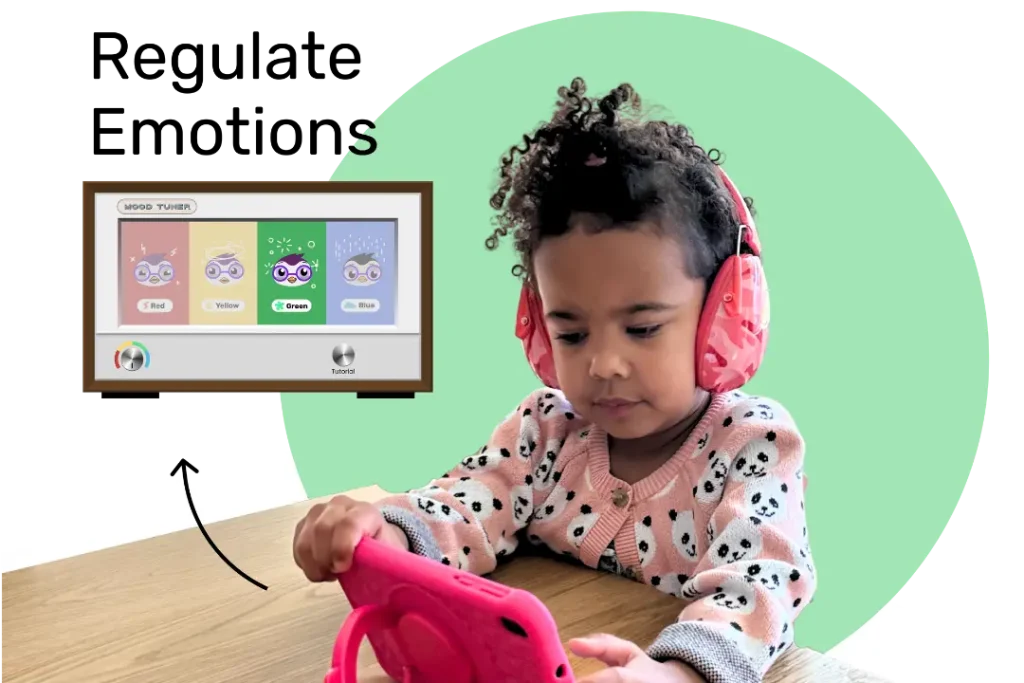
The Mood Tuner app encourages kids to look inwards and identify their feelings, helping them understand what’s going on inside. Once they’ve recognized their emotions, they can choose from a variety of exercises designed to help them self-regulate and find their balance.
Wrapping Up
Dealing with a sad kid can be challenging, but with the right approach, you can help your child navigate their emotions and build resilience. By identifying the cause of their sadness, offering empathy, encouraging emotional expression, teaching coping strategies, seeking professional help if needed, fostering a supportive environment, and being patient and consistent, you can make a significant difference in your child’s emotional well-being. Remember, as a parent, you play a crucial role in helping your neurodivergent child face life’s challenges with confidence and resilience.
This post was originally published on 05/11/2023. It was updated on 06/07/2023.

Goally
We help parents teach their kids life skills, like doing bedtime and morning independently. Backed by science, we incorporate evidence-based practices and expert-informed designs in all of our apps and content.