As parents or caregivers of neurodivergent kids, you constantly seek ways to better understand, support, and connect with your child. In this journey to uncover the nuances of high-functioning autism, we’ve got your back. Today, we’re introducing a high-functioning autism test child designed to help you gain insights into your kid’s unique abilities and traits. But that’s not all. We’ll also explore what high-functioning autism means, common signs and symptoms, and offer practical strategies to empower your child for future success.
Table of Contents
Goally | Visual Scheduler for Autism
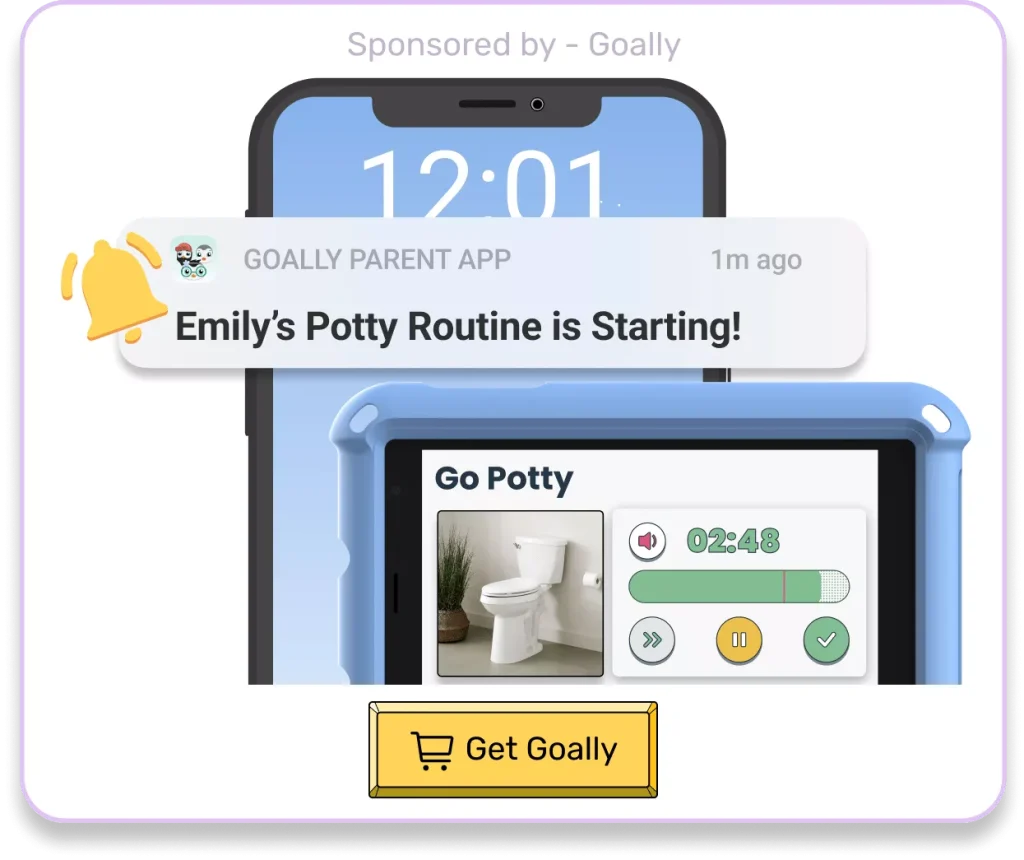
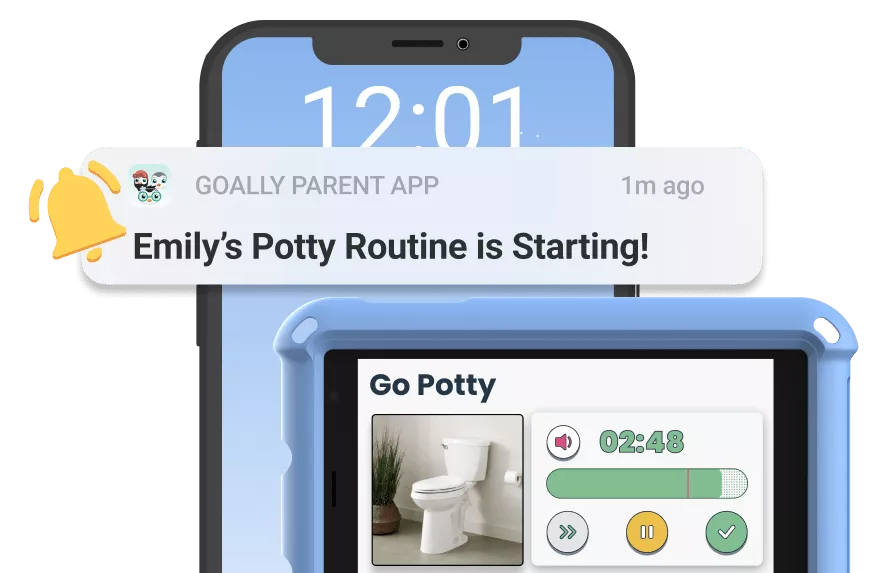
Does your child struggle with getting ready in the morning independently? Goally’s routine app on the best tablet for kids breaks down large tasks into small, achievable steps for autistic kids. Create custom routines with your own videos & pictures for every step.
Understanding High-Functioning Autism
First, let’s clarify what we mean by high-functioning autism. Previously labeled as Asperger’s Syndrome, this term describes a form of autism spectrum disorder (ASD) with milder symptoms. Kids with high-functioning autism typically have strong verbal skills and average to above-average intellectual abilities, all while experiencing difficulties in social interactions and sensory processing.
Common Signs and Symptoms
Although high-functioning autism manifests in various ways, certain symptoms are commonly seen in these children. Remember, every child is unique, and not all will exhibit the same signs. Watch for the following:
- Challenges with social interactions
- Difficulty in understanding non-verbal cues
- Repetitive behaviors or routines
- Intense interests or hobbies
- Heightened sensitivity to sensory stimuli

Goally’s High-Functioning Autism Test Child: 10 Questions
Now that you better understand high-functioning autism, it’s time to dive into the assessment. The following high-functioning autism test child, created by Goally, consists of 10 carefully crafted questions designed to help you identify potential traits and abilities in your child. Remember, this quiz is not a diagnostic tool but rather a starting point for further exploration.
Empowering Your Child for Success
After exploring high-functioning autism and Goally’s quiz, the next step is to empower your child for future success. Here are some practical strategies that can be employed:

Read more: Autism and Attachment
- Encourage social skills development through structured playdates, social skills groups, or role-playing activities.
- Promote self-regulation by teaching coping strategies, mindfulness techniques, and positive self-talk.
- Provide accommodations tailored to your child’s sensory needs, such as noise-canceling headphones, fidget tools, or quiet spaces.
- Nurture special interests by encouraging your child to explore their passions and find like-minded peers.
- Connect with professionals like psychologists, pediatricians, or therapists with expertise in high-functioning autism.
Goally | Routines that Actually Work
Goally’s skill building tablet for kids has routines that break down large tasks into small, achievable steps. It helps kids complete their tasks independently!
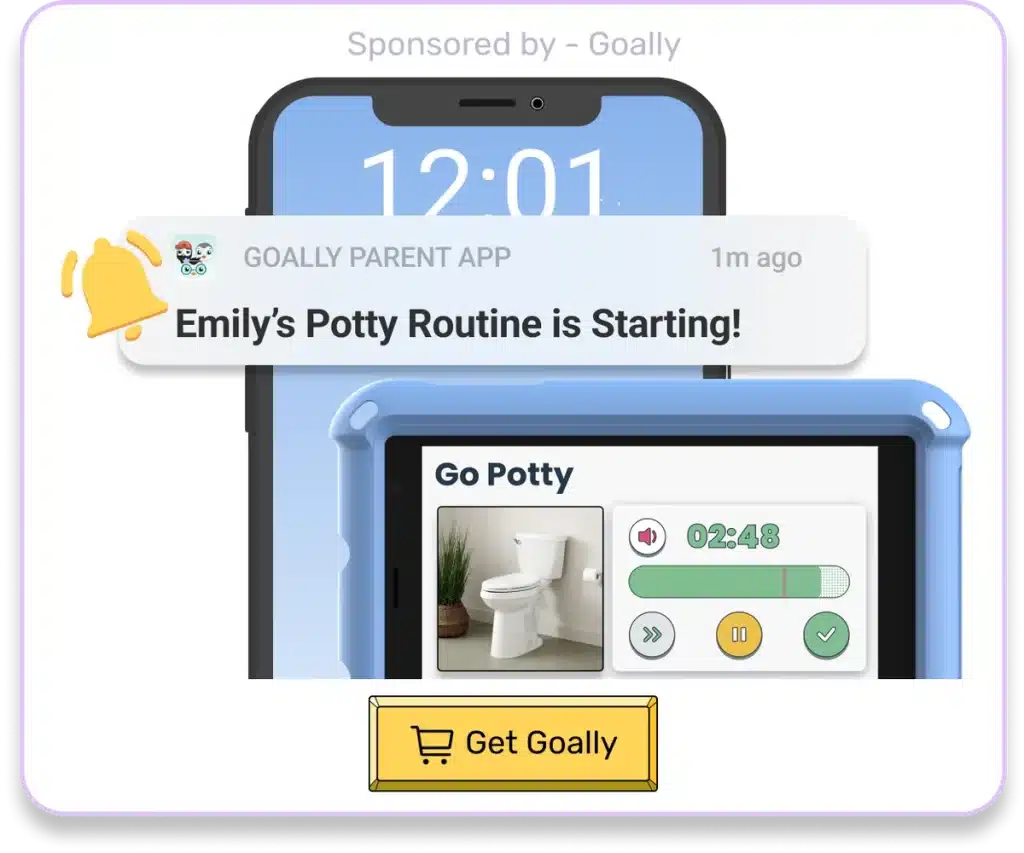
Create custom routines with your own videos & pictures for every step. The steps come in small, bite-sized pieces to help your child learn the little fundamentals (like putting the toothpaste on their toothbrush!) to achieve bigger goals. And that’s just the beginning. See it in action:
Embracing Your Child’s Unique Journey
Understanding the intricacies of high-functioning autism can seem daunting, but with the right tools and support, you’re well-equipped to tackle this challenge. By using the high-functioning autism test child and implementing the practical strategies discussed, you can empower your child to embrace their unique qualities, develop essential skills, and ultimately thrive in their journey.
This post was originally published on 04/30/2023. It was updated on 06/23/2023.

Goally
We help parents teach their kids life skills, like doing bedtime and morning independently. Backed by science, we incorporate evidence-based practices and expert-informed designs in all of our apps and content.