Parents, watch out! A new kind of zombie is taking over our homes, and it’s not the one from your favorite TV show. Our kids are at risk of becoming screen-time zombies, glued to screens for hours without a break. As caregivers and parents of neurodivergent kids or kids with thinking and learning differences, we need to know too much screen time symptoms and take action for a healthy balance.
Table of Contents
Spotting the Screen-Time Zombie: Recognizing Too Much Screen Time Symptoms
As caring parents, we must be on guard to notice when our child may be getting too much screen time. Here are some common symptoms:
- Eye strain or discomfort
- Sleep problems
- Behavior changes (like being grumpy)
- Shorter attention span
- Less physical activity
These signs can look different in neurodivergent kids or those with thinking and learning differences compared to other children. Let’s dive deeper into each symptom so you’ll know what to watch out for.
Tired Eyes – Digital Eye Strain
Staring at screens for long periods can cause digital eye strain – making eyes feel dry, red, itchy, or sore. Teach your child the 20-20-20 rule – every 20 minutes looking at a screen, they should look away for 20 seconds focusing on something 20 feet away. If your child complains about eye pain after using screens, it might be time to take action.
- Schedule regular breaks from screens throughout the day.
- Adjust device settings like brightness levels or font size if needed.
Read More: Why is Too Much Screen Time Bad?

Sleepy Heads – Sleep Disruptions
Too much blue light from screens can mess up melatonin production leading to trouble falling asleep or staying asleep all night. Set a “screen curfew” an hour before bedtime so that your child has enough time to relax without screens. A good night’s sleep is crucial for kids’ growth and development. Here are some ways to help them sleep better:
- Create a calming bedtime routine, like reading or taking a warm bath.
- Make their bedroom cozy and comfortable with soft lighting and minimal distractions.
Grumpy Grouches – Behavioral Changes
Ever noticed a grouchy attitude or a sudden mood swing from your child? These could be classic too much screen time symptoms. Even alarming signs like aggressive behavior can stem from the overuse of screens.
But worry not! There’s an easy fix: consistency. You’re sending a clear message by setting clear boundaries for screen time and sticking to them. The rules and expectations are laid out, and understanding them can be a game-changer for your child’s screen habits. It’s a simple strategy that could change their moods and behaviors!
- Offer praise when they follow screen-time rules.
- Provide alternative activities that don’t involve screens, like playing board games or going for walks.
Can’t Focus – Decreased Attention Span
Too much screen time may cause a shorter attention span, especially in neurodivergent kids or those with thinking and learning differences who might already struggle to focus. Encourage activities that build concentration, like puzzles, reading, or art projects instead of screens. Here are more ideas for improving attention spans:
- Break tasks into smaller parts so they’re easier to manage.
- Use visual aids like charts or calendars to help plan their day.
Read More: How Does Screen Time Affect ADHD?
Build Custom Printable Visual Schedules
Is your child having trouble managing their routines? Here’s a free visual schedule builder. Goally’s custom tool allows you to create printable personalized schedules that motivate your child to focus on their tasks. Perfect for morning, homework, and bedtime routines, this free visual schedule builder is easy to use and will help your child reach their full potential.
Click below to make your CUSTOM printable visual schedule! 👇
Get Moving – Reduced Physical Activity
Spending too much time on screens often means less physical activity leading to potential health problems such as obesity or weak muscles. Make sure your kid gets at least 60 minutes of physical activity daily through playtime outdoors or organized sports. Physical activity is essential not only for overall health but also for mental well-being. Try these fun ideas:
Fun Physical Activities
- Bike rides
- Dance parties
- Nature walks
- Swimming
- Team sports
Winning Against the Screen-Time Zombie Invasion
Now that we’ve spotted too much screen time symptoms let’s talk about ways to create a healthy balance between screens and other important parts of life:
- Make a daily routine
- Choose quality content
- Have tech-free zones
- Support social interaction
- Check progress
These tips are extra helpful for parents of neurodivergent kids who might need more support in managing their screen usage well. Let’s explore each strategy in detail so you can take action today!

Daily Plans – Establishing a Routine
Having a regular daily routine helps set clear expectations around when it’s okay to use screens and when it’s not. Plan specific times during the day for homework, chores, family meals, outdoor playtime, etc., leaving special slots for limited screen use. A consistent routine provides structure and predictability for your child.
Sample Daily Schedule (Times can be adjusted)
- 7am – Wake up & breakfast
- 8am – Get ready for school or activities
- 9am-3pm – School or planned activities
- 4pm – Homework or quiet time
- 5pm – Outdoor playtime
- 6pm – Dinner with family (tech-free)
- 7pm – Limited screen time
- 8pm – Bedtime routine (no screens)
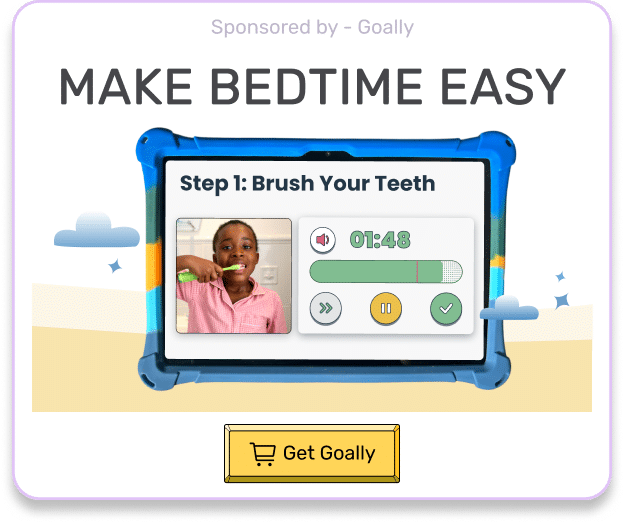
Customize visual schedules that teach kids independence. No more nagging, no more stress.
Pick the Best – Prioritizing Quality Content
Not all content is equal! Pick educational and age-appropriate content that matches your child’s interests. Look up apps, games, and shows made just for neurodivergent kids or those with thinking and learning differences. Quality content should engage your child while also teaching them valuable skills:
- Encourages problem-solving abilities.
- Develops creativity.
- Enhances communication skills.
- Promotes empathy and understanding.
Read More: Goally TV App
No-Screen Spaces – Creating Tech-Free Zones
Having areas in your home where screens are not allowed helps teach the importance of balance. Make spaces like bedrooms or dining rooms tech-free zones to encourage quality family time and relaxation. Creating tech-free zones can have several benefits:
- Reduces distractions during homework or study time.
- Encourages better sleep habits by removing screens from bedrooms.
- Fosters more meaningful conversations during family meals.
Making Friends – Encouraging Social Interaction
Promote activities that involve talking with friends to help build important communication skills. Set up playdates, join clubs, or take part in community events where your child can interact with others without screens. Social interaction is vital for developing essential life skills:
- Builds self-confidence and self-esteem.
- Enhances teamwork abilities.
- Develops empathy and understanding of others’ perspectives.
Keeping Track – Monitoring Your Child’s Screen Time
Keeping a tab on our children’s screen time isn’t just bright—it’s crucial for their well-being. You see, too much screen time symptoms can creep in, disrupting their healthy balance. Now, that’s something we all want to prevent, right?
No need for constant peering over their shoulder, though. The answer might lie in the devices they are glued to. With built-in parental control features, you can monitor screen usage and set boundaries if required. It’s a brilliant way to manage screen time without the fuss, turning a potential battleground into a peace zone. Now that’s winning the screen time game!
Goally | Skills Training Videos for Kids
Does your child need some extra guidance on building essential life skills? Goally’s TV app for kids has the most robust video library of skills training videos for kids. Ranging from content like “How to Brush Your Teeth” to “How to Make Friends at School,” we have dozens of interactive video lessons for kids with thinking and learning differences.

Dive into the Goal Mine channel, where Puffy the Penguin leads your child through behavior skills training videos. They’ll learn social, hygiene, and living skills that are key to their independence. For those moments when they need a break, the Chill Zone channel offers low stimulation video content with Paulie the Penguin at the beach, perfect for relaxation and self-regulation.
Closing: Happy Homes Without Zombies!
Knowing too much screen time symptoms is key to making sure our kids live balanced lives. By using these tips made just for neurodivergent kids or those with thinking and learning differences, we can create a home where screens help their lives instead of taking over. So grab that remote control – it’s time to free our homes from the screen-time zombies!
FAQs About Screen Time Symptoms
What are the symptoms of too much screen time in kids?
Symptoms can include irritability, mood swings, and aggressive behavior. They might also exhibit difficulty focusing or sleeping.
How can I regulate my child's screen time?
Utilize parental control features on devices to monitor and limit screen time. Establishing a consistent schedule can also be helpful.
How can setting limits on screen time affect my child's behavior?
Setting clear limits helps children understand rules and expectations, often resulting in improved mood and less aggressive behavior.
What tools can help manage my child's screen time?
Tools such as visual schedules, emotional regulation apps, and reward systems can effectively manage screen time.
How much screen time is too much for my child?
While it can vary, the American Academy of Pediatrics recommends less than one hour of high-quality programming for children aged 2 to 5 and consistent limits for children aged 6 and older.
This post was originally published on 04/17/2023. It was updated on 06/24/2023.

Goally
We help parents teach their kids life skills, like doing bedtime and morning independently. Backed by science, we incorporate evidence-based practices and expert-informed designs in all of our apps and content.