

As caregivers and parents of neurodivergent kids, understanding our children’s communication styles is crucial. The autistic voice tone is one such aspect that, when explored, can open up new possibilities and connections for our kids. In this blog post, we’ll discuss why autistic voice tone is distinctive, share practical tips for better communication, and emphasize the importance of tone recognition in fostering strong connections with our kids.
Table of Contents
Diving Into the World of Autistic Voice Tone
Absolutely, let’s break it down. Autistic voice tone is how some kids with autism communicate. This could mean they have a flat, monotone voice or use various pitches and rhythms. Every child has a unique way of talking, which makes them special.
It’s important to understand that these differences are entirely normal. Some kids might talk loudly or repeat themselves, while others keep a steady tone. By tuning into these distinct voice tones, parents can better grasp their child’s needs, motivations, and emotions. It’s like having a secret decoder to connect with and support them on their journey. So, keep an open ear and embrace these unique voice – they have so much to say.
Read More: How Do I Teach My Autistic Child to Use an AAC Talker

Reasons Behind the Distinct Autistic Voice Tone
The roots of autistic voice tone lie in the way these children’s brains process language and communication. Autistic kids interpret the world in a remarkable manner, resulting in unique voice tones that reflect their particular experiences and perspectives. Recognizing these patterns is essential for parents and caregivers aiming to strengthen communication and forge deeper bonds with their kids.
Enhancing Communication: Strategies for Parents and Caregivers
With a clearer understanding of autistic voice tone, we can now support our kids better by fine-tuning our communication methods. Here are some useful strategies to help strengthen the bond with your child:
- Active Listening: Be all ears, paying attention to your child’s tone, and avoid interrupting them. Allow them the space to express themselves, even if it’s unconventional.
- Nonverbal Communication: Use symbols, gestures, or visual aids to improve communication with your child, especially when they’re facing difficulty expressing themselves.
- Mirroring: Reflect your child’s body language, emotions, and mannerisms to establish rapport and build trust.
- Encouragement: Offer support and validation when communicating, even when their tone and expression style differ from expectations.
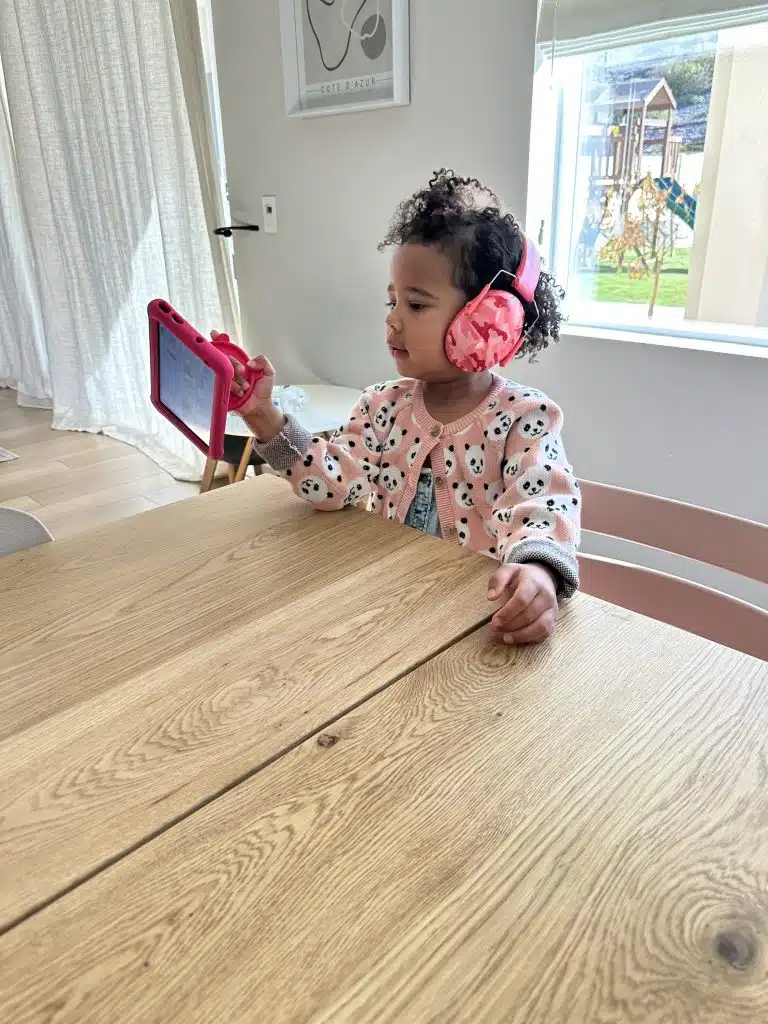
“I found Goally on Instagram a few months ago and I thought, this sounds like a perfect aid for Ivy. Ivy had just started speaking, but her communication was still very minimal. Goally’s visual schedule and AAC-inspired Talker had me really interested. While we want and believe Ivy will find her voice and spoken language, we also believe that communication comes in many forms. Goally has helped us offer our daughter a voice while she learns to find her own. The key is to support communication in whatever form that takes.” – Cassidy I.
Fostering Social and Emotional Growth
Helping our neurodivergent kids thrive involves nurturing their social and emotional skills. By honing these abilities, they can form healthier relationships and integrate better into various social environments. Let’s go over a few essential steps:
- Expose your child to social situations gradually, observing and adjusting as needed.
- Use role-play or social stories to teach empathy and model social norms.
- Discuss emotions openly with your child, helping them identify and express their feelings.
- Seek professional guidance, such as speech therapists or occupational therapists, to support your child’s development further.

Celebrating the Unique Strengths of Neurodivergent Kids
Lastly, it’s essential to recognize and nurture your child’s unique talents and passions. Understanding their autistic voice tone shouldn’t limit their potential; instead, embracing their individual strengths paves the way for a successful and fulfilling future.
Goally | Visual Scheduler for Autism
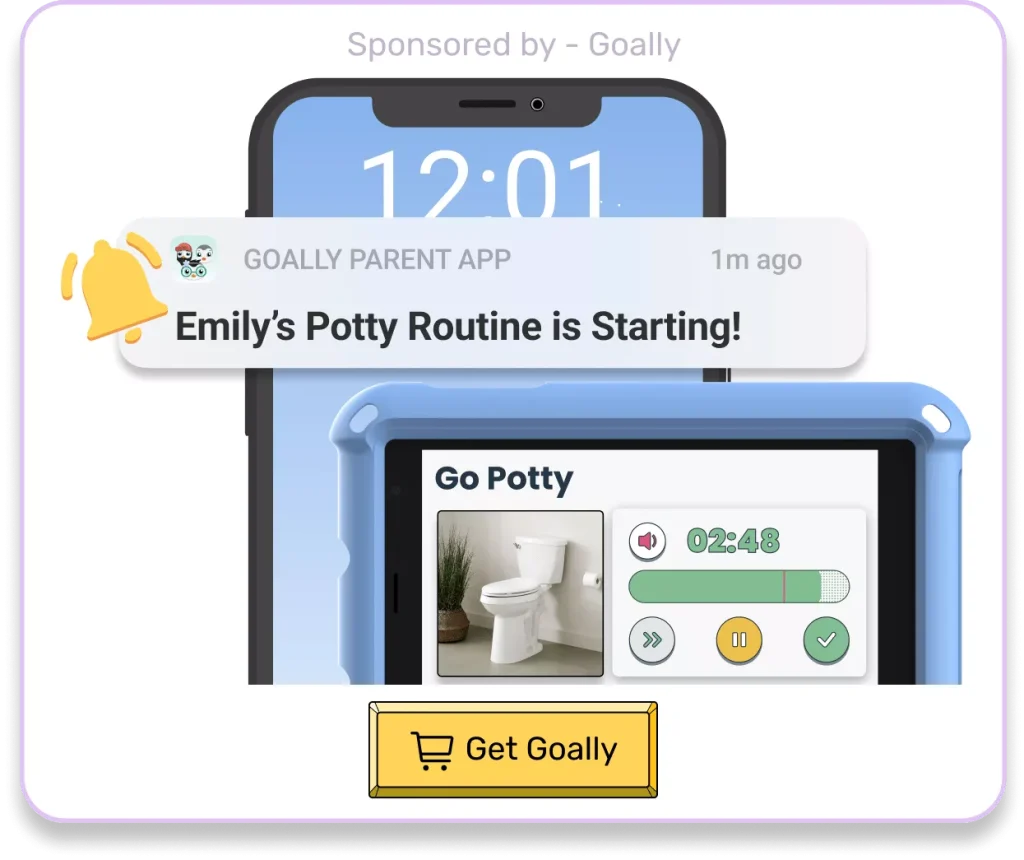
Does your child struggle with getting ready in the morning independently? Goally’s routine app on the best tablet for kids breaks down large tasks into small, achievable steps for autistic kids. Create custom routines with your own videos & pictures for every step.
Empowering Our Kids: Embracing Autistic Voice Tone
In the end, appreciating and understanding the nuances of autistic voice tone creates a more inclusive and compassionate world for our neurodivergent munchkins. Implement these strategies to strengthen communication, encourage meaningful social connections, and celebrate the remarkable talents and perspectives of our kids. It’s time to champion our children and empower them to reach new heights, embracing the beauty of their distinctive voices.
This post was originally published on 05/19/2023. It was updated on 09/29/2023.

Goally
We help parents teach their kids life skills, like doing bedtime and morning independently. Backed by science, we incorporate evidence-based practices and expert-informed designs in all of our apps and content.




