As a parent, you’re no stranger to the challenges and joys of raising a neurodivergent child. One lesser-known aspect of autism spectrum disorder is hyposensitivity, which can impact your child’s daily life in various ways. In this blog post, we’ll explore hyposensitivity autism, its symptoms, and practical strategies to support your child’s unique sensory needs. From understanding sensory processing to creating a sensory-friendly environment, we’ve got you covered with the help of Goally’s learning tablet and apps.
Table of Contents
Goally | Visual Scheduler for Autism
Does your child struggle with getting ready in the morning independently? Goally’s routine app on the best tablet for kids breaks down large tasks into small, achievable steps for autistic kids. Create custom routines with your own videos & pictures for every step.
Hyposensitivity Autism: A Quick Overview
First, let’s clarify what hyposensitivity autism is. In simple terms, it refers to a decreased sensitivity to sensory input, such as touch, sound, or taste. This means that kids with hyposensitivity may not respond to stimuli that would typically evoke a reaction in others.
Some common signs of hyposensitivity include:
- Seeking out intense sensory experiences
- Not noticing pain or discomfort
- Difficulty understanding personal space
- Appearing clumsy or uncoordinated

Read more: Clothing Sensory Issues
It’s important to remember that every child is unique, and their sensory needs may vary. However, understanding the basics of hyposensitivity can help you better support your child’s development and well-being. Goally’s learning tablet and apps can be a valuable resource in this journey, offering tailored support for kids with thinking and learning differences.
Supporting Your Child’s Sensory Needs
Now that we’ve established the fundamentals of hyposensitivity autism let’s explore some strategies to help your child thrive. Above all, it’s crucial to create a sensory-friendly environment that caters to their specific needs. Here are some tips to get you started:
1. Encourage Sensory Exploration
For kids with hyposensitivity, engaging in sensory-rich activities can be beneficial. For example, you might introduce them to different textures through playdough, sand, or water. Goally’s learning tablet offers various apps that can help your child explore their sensory preferences in a fun and interactive way.
Moreover, consider incorporating sensory breaks into their daily routine, allowing them to explore various sensations in a safe and controlled manner. This can help them develop a better understanding of their sensory needs and preferences.
2. Monitor and Adjust Sensory Input
As a parent, it’s essential to be aware of your child’s sensory preferences and adjust their environment accordingly. For instance, if your child enjoys deep pressure, you might invest in a weighted blanket or compression clothing. On the other hand, if they’re drawn to specific sounds or vibrations, consider providing access to music or vibrating toys.
Goally’s learning tablet and apps can also help you monitor your child’s sensory input, offering customizable settings and features that cater to their unique needs. By staying informed and making adjustments as needed, you can create a supportive environment for your child’s sensory journey.
3. Promote Physical Activity
Physical activity can help kids with hyposensitivity develop body awareness and coordination. Moreover, it provides an opportunity for them to engage with their environment and experience various sensory inputs. Encourage activities such as swimming, jumping on a trampoline, or playing catch to support their sensory needs.

Goally’s learning tablet can also be a valuable tool in promoting physical activity, offering apps and games that encourage movement and exploration. By integrating technology and physical activity, you can support your child’s sensory development in a fun and engaging way.
4. Foster Social Skills
Hyposensitivity can sometimes lead to difficulties with personal space and social interactions. To help your child navigate these challenges, consider enrolling them in social skills groups or working with a therapist who specializes in autism spectrum disorders. Role-playing and practicing social scenarios can also be beneficial in building their understanding of social cues and boundaries.
Goally’s learning tablet offers apps designed to support social skills development, providing interactive activities and games that help kids with hyposensitivity autism practice and improve their social abilities. By leveraging technology and professional support, you can empower your child to build meaningful connections with others.
Collaborate with Professionals and Educators
Lastly, it’s crucial to maintain open communication with professionals and educators who work with your child. By sharing information about your child’s sensory needs and preferences, you can ensure they receive the necessary support in various settings. Additionally, consider seeking guidance from occupational therapists or other specialists who can provide tailored recommendations for your child’s unique sensory profile.
Goally’s learning tablet and apps can also facilitate collaboration with professionals and educators, offering features that allow you to track your child’s progress and share updates with their support team. By working together, you can create a comprehensive support system for your child’s sensory journey.
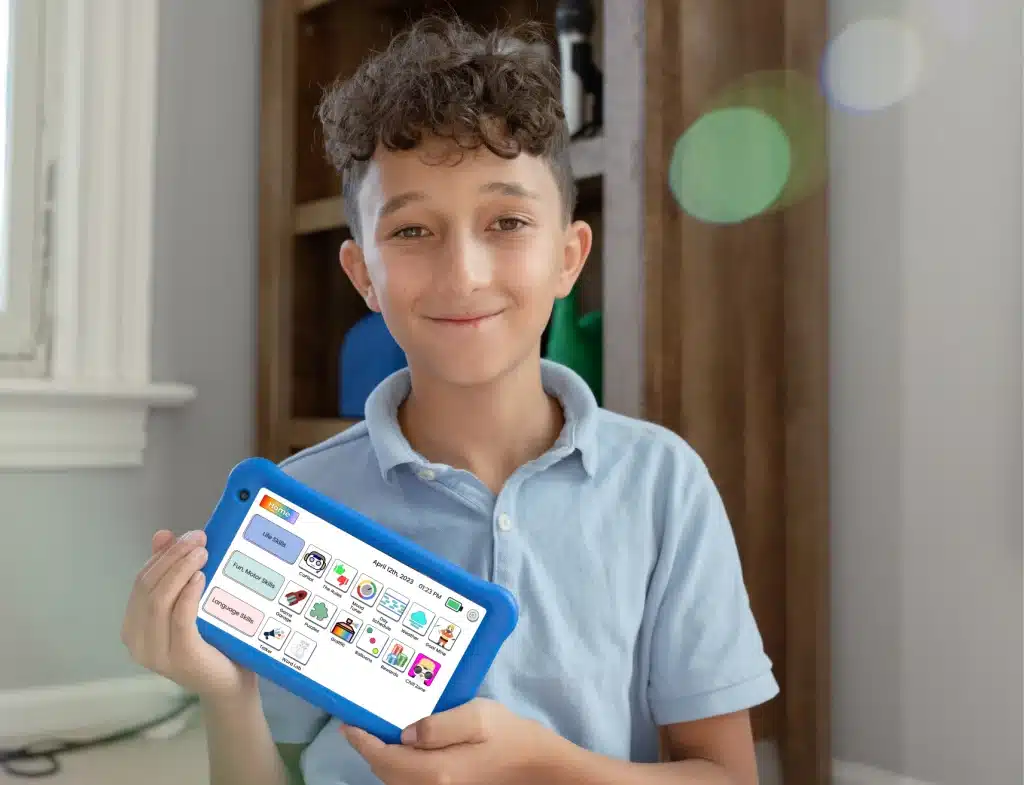
Give your kid an independent future. Goally has 15+ learning apps that teach life skills. There are NO web browsers, social media, or YouTube.
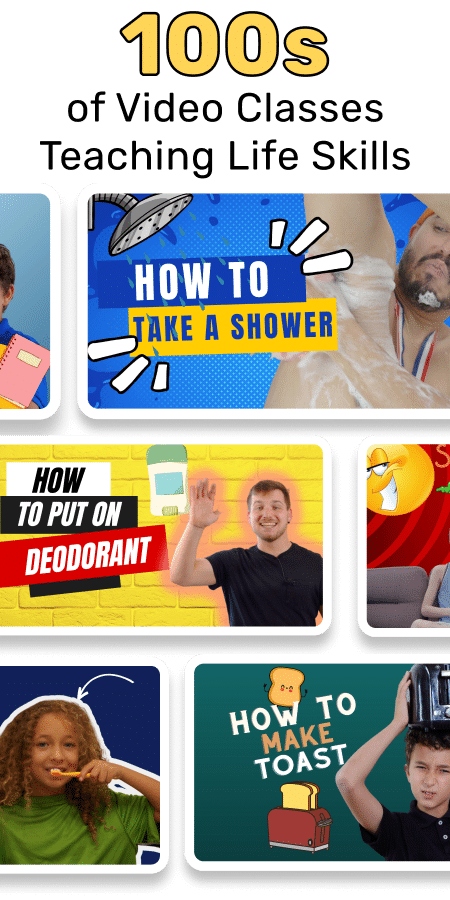
Our apps teach executive function, language, emotional regulation, finger dexterity skills, and more. It also 100+ video classes teaching social skills.
Embracing Your Child’s Sensory Journey
In short, understanding and supporting your child’s hyposensitivity autism can make a significant difference in their daily life. By creating a sensory-friendly environment, encouraging exploration, and collaborating with professionals, you can help your child thrive and navigate the world with confidence. Remember, every child is unique, and their sensory journey will be too. Embrace their individuality and celebrate their progress as you work together to overcome challenges and build a brighter future with the help of Goally’s learning tablet and apps.
This post was originally published on 05/18/2023. It was updated on 07/13/2023.

Goally
We help parents teach their kids life skills, like doing bedtime and morning independently. Backed by science, we incorporate evidence-based practices and expert-informed designs in all of our apps and content.