Have you ever wished for a secret weapon to help your neurodivergent child master their daily routine? Introducing visual timers, the unsung heroes of time management for kids with thinking and learning differences. In this article, we’ll discover why visual timers work and how they can make a world of difference for your child.
Table of Contents
Time Flies: Getting to Know Visual Timers
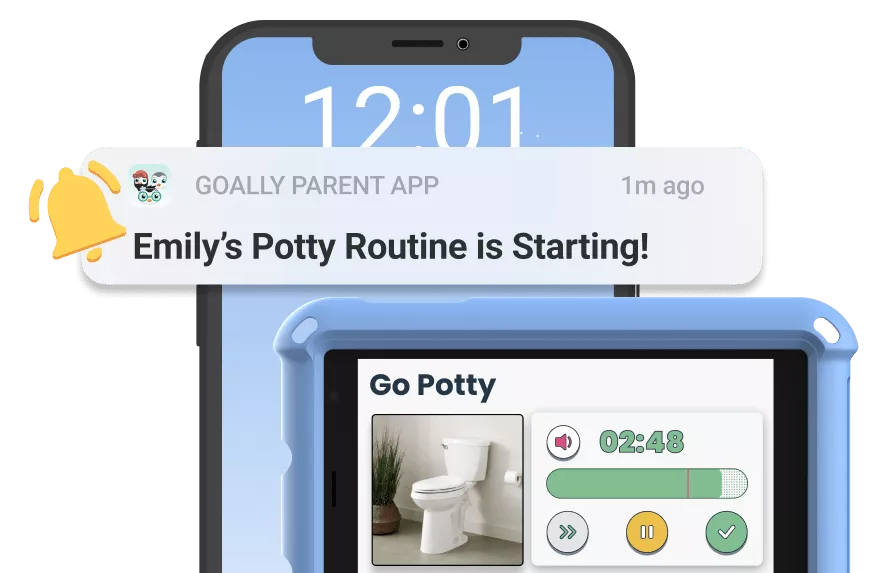
Visual timers show time passing with pictures, like a countdown or a disappearing clock face. They come in different forms, such as apps, physical gadgets, or even DIY creations.

Customize visual schedules that teach kids independence. No more nagging, no more stress.
These timers are perfect for kids who learn better through seeing. They help kids understand time in a way that’s easy and fun. Let’s dive into the world of visual timers and discover how they can help your child.
Picture Perfect: How Visual Timers Work
Visual timers work their magic by using the power of sight, often a strength in neurodivergent kids. They help kids with thinking and learning differences in several ways:
- Visual hints: Visual timers show time in an easy-to-understand way, making it clearer for kids who need help with tricky ideas.
- Less worry: When kids know how much time they have left, they feel less stressed about finishing tasks or moving to the next activity.
- Better focus: Visual timers can help kids pay attention by reminding them of the time left with a clear picture.
- More independence: Using a visual timer, kids can manage their time better, which makes them feel more confident and self-reliant.

Read more: Visual Timer App for Kids
These timers are especially helpful for kids who struggle with abstract concepts. They make time more concrete and accessible, reducing stress and improving focus.
Time-Saving Heroes: Why Visual Timers Work for Neurodivergent Kids
Visual timers are extra helpful for neurodivergent kids because they address some common challenges these kids face. They work to support kids with the following:
- Autism: Visual timers help kids with autism handle changes, avoid meltdowns, and understand time better.
- ADHD: For kids with ADHD, visual timers give an important external reminder to stay focused, which helps them get more done.
- Executive Function Challenges: Visual timers assist kids with executive function issues by breaking tasks into smaller parts and teaching them time management.
With a visual timer, your child can develop essential skills, reduce anxiety, and foster independence. These timers are like superheroes, swooping in to save the day and help your child succeed.

Countdown to Success: Picking the Best Visual Timer
There are many visual timers out there, so how do you choose the right one for your child? Think about these factors:
- Easy to use: Make sure the timer is simple, so your child can use it independently.
- Size and portability: Pick a timer that fits your child’s needs, like a small one for travel or a big one for home.
- Customizable: Find timers that let you change settings, such as how long it counts, sounds, and visual hints.
- Strong and sturdy: Choose a timer that can handle daily use, especially if your child is likely to drop or mishandle things.
Table: Visual Timer Features
| Feature | Why It’s Important |
|---|---|
| Easy to use | Allows your child to use the timer independently |
| Size and portability | Fits your child’s needs and lifestyle |
| Customizable | Adapts to your child’s preferences and requirements |
| Strong and sturdy | Withstands daily wear and tear |

Tips and Tricks: Making the Most of Visual Timers
To get the best results from visual timers, try these tips:
- Start small: Use short time periods at first and make them longer as your child gets used to the idea of time.
- Stay consistent: Use the timer for the same tasks or changes so your child knows what’s coming.
- Add words: Use the visual timer and spoken reminders to help your child learn time management.
- Celebrate wins: Praise your child for doing well and encourage them to take charge of their time.
Remember, practice makes perfect. The more your child uses the timer, the better they’ll become at managing their time.
Try Goally For Your Child With ADHD
Goally helps kids with ADHD stay focused and build skills. Unlike a Kindle or an iPad that kids get easily distracted on, Goally has no YouTube, no social media, no web browser, and especially no ads.
Goally uses game play as a points-based motivator for your kiddo with ADHD and helps them learn emotional regulation skills. It’s simple to set up and has an expert-informed design.

Time to Act
Visual timers work wonders for neurodivergent kids by using their visual skills and solving common issues. With a suitable timer and regular use, your child can learn important time management skills, feel less stressed, and become more independent. So, don’t wait another minute – try visual timers and watch your child succeed.
This post was originally published on 04/16/2023. It was updated on 06/27/2023.

Goally
We help parents teach their kids life skills, like doing bedtime and morning independently. Backed by science, we incorporate evidence-based practices and expert-informed designs in all of our apps and content.