

Picture this: You’re at home, watching your child play, and you can’t help but notice they seem a little different from their peers. Maybe they’re not as talkative, or perhaps they prefer playing alone. It’s these moments that might lead you to wonder, “Is my child on the spectrum?” It’s a question that can keep you up at night, searching for answers. This is where our “Is my child on the spectrum quiz” comes in. This quiz is designed to help you understand the signs of autism spectrum disorder and provide some guidance on what your next steps might be. While it’s not a diagnostic tool, it can offer some insight into your child’s behaviors and development. So, let’s explore this together and hopefully provide some clarity in your journey as a parent.
Table of Contents
Understanding Autism Spectrum Disorder
Autism Spectrum Disorder (ASD) is a complex developmental condition that affects how an individual communicates, forms relationships, and experiences the world. ASD encompasses a wide range of abilities and challenges, meaning each child on the spectrum is unique. Some may have mild symptoms, while others may face significant difficulties in their daily lives.
It’s crucial to remember that being on the spectrum is not a flaw or weakness; it’s simply a different way of experiencing life. Kids with ASD often possess remarkable talents, abilities, and perspectives that can be nurtured and celebrated. You can help them achieve their full potential by understanding and supporting their unique needs.

Read more: What Does on the Spectrum Mean?
Recognizing the Early Signs of Autism Spectrum Disorder
While every child on the spectrum is unique, some early indicators might suggest your child could be neurodivergent. These signs can vary greatly in severity and presentation, so it’s essential to consider these behaviors’ overall pattern and consistency. Some children may display only a few signs, while others may show several.
- Delayed speech and language development: Kids with ASD may not speak their first words or phrases as early as their peers. They might also need help using language to communicate their thoughts and feelings.
- Repetitive behaviors: Hand flapping, rocking, spinning, or lining up objects are examples of repetitive behaviors often seen in children with ASD.
- Difficulty making eye contact or responding to their name: Kids on the spectrum may find it challenging to engage in typical social interactions, such as making eye contact or responding when their name is called.
- Resistance to physical touch or closeness: Some children with ASD may be hypersensitive to touch and avoid hugs, cuddling, or other forms of physical affection.
- Unusual interests or intense focus on specific topics: Kids with ASD may have very particular interests or hobbies, which they may focus on intensely and with great enthusiasm.
- Difficulty understanding social cues or expressing emotions: Understanding facial expressions, body language, or tone of voice can be challenging for children on the spectrum. They may also have difficulty expressing their emotions or responding appropriately to the emotions of others.
Goally | The Tablet for Neurodiverse Kids

When to Seek Professional Help
It’s important not to jump to conclusions and remember that children develop at different rates. However, if you notice a consistent pattern of developmental delays or unusual behaviors, it’s time to consult a pediatrician or a specialist in child development. They can provide an accurate evaluation and recommend appropriate interventions if necessary.
Early intervention is key to supporting kids with ASD and can significantly improve their communication, social skills, and behavior. With the right support, children on the spectrum can learn to adapt and flourish in various settings.
Supporting Your Neurodivergent Child: Strategies for Success
Understanding your child’s unique strengths and challenges is the first step towards helping them thrive. As a parent, you can implement various strategies to support their development and well-being. Here are some tips to help you create a nurturing environment for your neurodivergent child:
- Establish routines: Predictable routines can help minimize stress and anxiety for kids with ASD. Consistency in daily activities, such as mealtimes, bedtime, and playtime, can provide security and stability.
- Provide structure: Clear expectations and boundaries can help children with ASD feel more comfortable in their environment. Visual schedules, charts, and labels can provide structure and organization.
- Encourage social interactions: Social skills may not come naturally to kids on the spectrum, so it’s essential to provide opportunities for them to practice and develop these skills. Playdates, group activities, and structured social groups can help build social connections.
- Offer sensory support: Sensory sensitivities are common in kids with ASD, so it’s important to create a sensory-friendly environment. This can include reducing noise levels, providing calming spaces, and offering fidget toys or weighted blankets to help manage sensory input.
- Work with professionals: Collaborate with therapists, educators, and other professionals who specialize in ASD. They can offer invaluable guidance, support, and resources tailored to your child’s needs.
Parenting Tips: How to Be an Effective Advocate for Your Child
As a parent, one of your most important roles is to advocate for your child and ensure they receive the support and resources they need. Here are some tips to help you become a more effective advocate for your neurodivergent child:
- Learn about ASD: Educate yourself about Autism Spectrum Disorder and its various manifestations. The more knowledge you have, the better equipped you’ll be to support your child and communicate their needs to others.
- Connect with other parents: Building a network of parents who share similar experiences can provide invaluable emotional support, practical advice, and resources. Joining local support groups or online communities can help you forge these connections.
- Communicate with professionals: Establish open lines of communication with the professionals involved in your child’s care, such as teachers, therapists, and healthcare providers. Regularly discuss your child’s progress, challenges, and any concerns you may have.
- Stay organized: Keep detailed records of your child’s assessments, therapies, medical appointments, and educational plans. This readily available information can be helpful when discussing your child’s needs with professionals or advocating for additional support.
- Know your rights: Familiarize yourself with the laws and regulations that protect the rights of individuals with disabilities, such as the Individuals with Disabilities Education Act (IDEA). This knowledge can help you ensure your child receives the appropriate accommodations and services they are entitled to.

Read more: Kids on the Spectrum | What to Know
Helping Your Child Embrace Their Unique Talents and Abilities
Children on the spectrum often possess remarkable talents and abilities that can be nurtured and celebrated. Encouraging your child to pursue their interests and develop their skills can increase self-esteem, resilience, and overall well-being. Here are some ways you can support your child’s passions and strengths:
- Identify their interests: Pay close attention to your child’s hobbies, favorite activities, and areas of expertise. This can help you recognize their unique strengths and talents.
- Provide growth opportunities: Encourage your child to explore and develop their interests through relevant classes, clubs, or extracurricular activities. This can provide valuable learning experiences and opportunities to connect with like-minded peers.
- Celebrate achievements: Acknowledge and celebrate your child’s accomplishments, both big and small. This can boost their confidence and reinforce their belief in their abilities.
- Share their talents: Encourage your child to share their skills and knowledge with others, whether it’s through presentations, performances, or simply talking about their passions. This can help build their self-esteem and social skills.
Embracing the Journey: Acceptance, Empowerment, and Advocacy
As a parent, the most powerful support you can offer your child is unconditional love, acceptance, and understanding. Embrace your child’s uniqueness and remember that being on the spectrum doesn’t define their worth or potential. Encourage them to celebrate their differences and pursue their passions, as they hold the key to their success and happiness.
Become an advocate for your child and help create a world where neurodivergent kids are valued and appreciated. Learn about ASD, connect with other parents, and share your experiences. Your journey might inspire others and contribute to a more inclusive and supportive community for all kids.
Goally | Apps To Support Child Development
Looking for fun ways to help your child learn life skills? Try Goally! The Goally tablet comes with award-winning learning apps and video classes to help kids develop the skills they need to become independent with FUN & evidence-based practices.
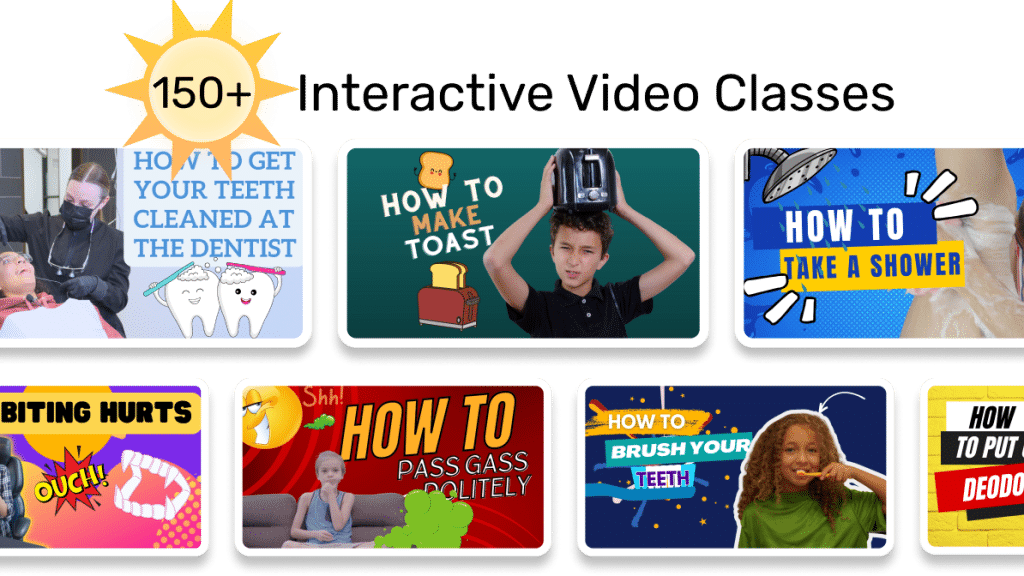
Our apps teach executive function, language, emotional regulation, finger dexterity skills, and more.
As your child develops new skills, you can increase the difficulty level of the tasks in the app to challenge and motivate them even further. This helps your child grow and progress at their own pace, while also keeping them engaged and excited about their development.
Recognizing the signs of ASD and seeking appropriate support is essential for ensuring your child receives the resources they need to thrive. Goally’s “Is My Child On The Spectrum Quiz” serves as a valuable starting point for understanding potential indicators of autism, but remember that professional guidance is crucial for an accurate assessment. With love, understanding, and acceptance, you can help your child embrace their unique talents and abilities, fostering an environment where they can flourish. As you navigate this journey, remember that your child’s neurodivergence offers them a unique perspective on the world, making it a more diverse and vibrant place for everyone.
FAQ’s About Is My Child on the Spectrum
What is the Is my child on the spectrum quiz?
It's a quiz designed to help parents understand the signs of autism spectrum disorder and provide guidance on potential next steps.

Can this quiz diagnose autism in my child?
No, this quiz is not a diagnostic tool, but it can offer some insight into your child's behaviors and development.

What should I do if the quiz suggests my child might be on the spectrum?
If the quiz suggests your child might be on the spectrum, it's recommended to consult with a healthcare professional for further evaluation.

How can I support my child if they are on the spectrum?
Support can come in many forms, including learning tools like visual schedules, emotional regulation apps, and rewards to encourage positive behavior.

What are some signs of autism spectrum disorder?
Signs can include difficulties with social interaction, communication challenges, and repetitive behaviors. However, symptoms can vary greatly among individuals.
This post was originally published on 05/22/2023. It was updated on 02/19/2024.

Goally
We help parents teach their kids life skills, like doing bedtime and morning independently. Backed by science, we incorporate evidence-based practices and expert-informed designs in all of our apps and content.




