As parents, we often worry about our kids’ screen time, especially when it comes to popular apps like TikTok. The app is undeniably entertaining, but is there a hidden danger lurking beneath those catchy tunes and dance challenges? In this blog post, we’ll examine the concept of TikTok addiction, explore its potential impact on kids, particularly neurodivergent kids, and offer practical advice to help you navigate this digital terrain. So, let’s dive into this timely and important discussion.
Table of Contents
SPONSORED BY: Goally
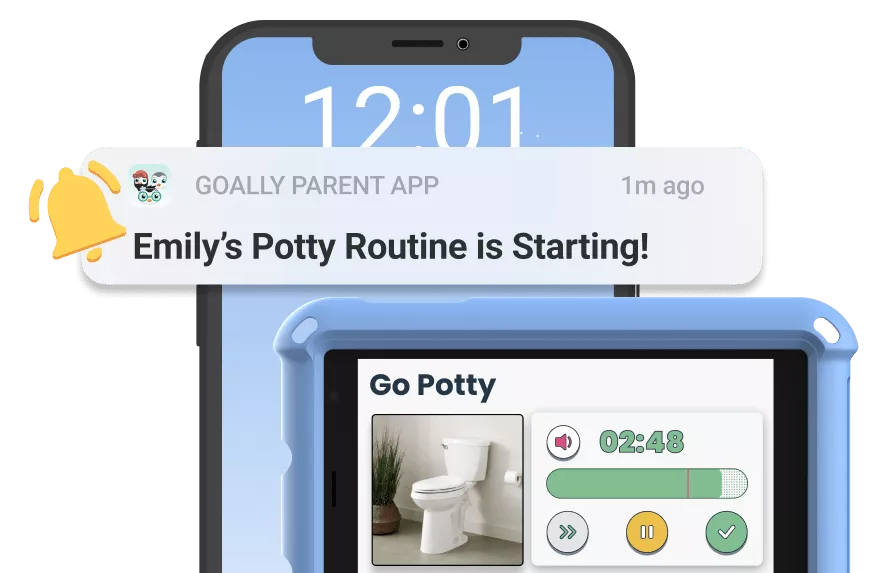
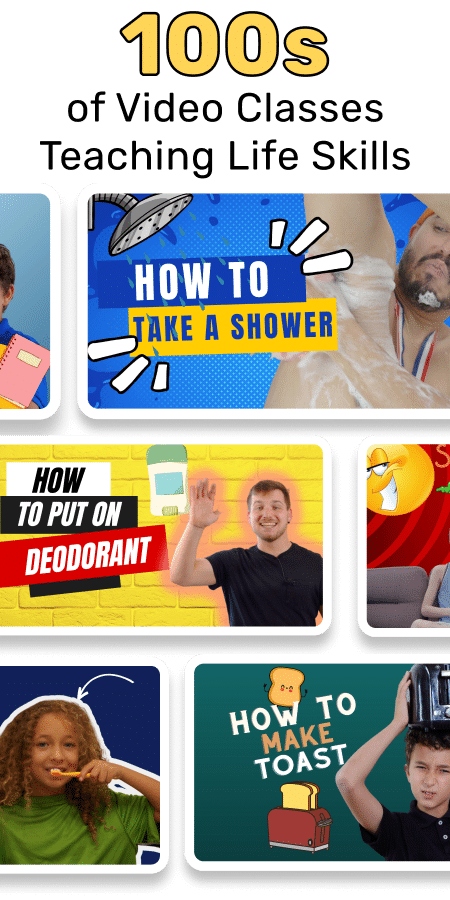
Goally’s Kid’s Tablet has one of the largest libraries of skill-building videos (like “How to Share” and “What To Do When You’re Lost”) in the Goal Mine app.👇

Understanding TikTok Addiction: The Basics
Before we can address tiktok addiction, it’s essential to understand what we’re dealing with. TikTok is a social media platform that encourages its users to create and upload short clips, often set to music. Its endless stream of content can keep kids glued to their screens for hours on end. But when does harmless fun cross the line into addiction?
Addiction is a complex brain disorder characterized by compulsive and continued use of a substance or activity despite harmful consequences. In the case of TikTok addiction, the “substance” is the app itself and the dopamine rush it provides. Kids, particularly those with thinking and learning differences, may be more prone to addiction as a result of their developing brains and a heightened need for stimulation and social connection. To help you better understand this issue, let’s take a look at some key points:
- What is addiction? A brain disorder involving compulsive use of a substance or activity despite negative consequences.
- Why are kids at risk? Developing brains and a heightened need for stimulation and social connection make kids more vulnerable to addiction.
- What are the signs? Excessive use, withdrawal symptoms, and negative impacts on daily life are common indicators of addiction.

Spotting the Signs: Is Your Child Addicted to TikTok?
As a parent, it’s crucial to be vigilant and recognize the signs of TikTok addiction in your child. Early intervention can make all of the difference in the world in helping them regain control over their digital habits. Below are a few red flags to watch out for that may be a sign that your child is struggling with tiktok addiction:
- Excessive use: Spending several hours a day on TikTok, neglecting other activities like schoolwork, hobbies, or socializing, is a cause for concern.
- Withdrawal symptoms: If your child becomes irritable, anxious, or depressed when they can’t access TikTok, it may indicate dependence.
- Impact on daily life: Sleep disturbances, poor academic performance, and strained relationships may result from tiktok addiction.
- Craving more screen time: Constantly asking for more screen time or sneaking in extra sessions could signal a growing dependence on the app.
- Loss of interest in other activities: If hobbies or interests your child once enjoyed fall by the wayside, TikTok may be taking over their life.
By keeping an eye out for these warning signs, you’ll be better able to help your child navigate their TikTok usage and avoid falling into the trap of addiction.
The Impact on Mental Health

Read more: What are the Dangers of Letting My Child Use TikTok?
Tiktok addiction can have serious consequences for a child’s mental health. This is especially true for neurodivergent kids, who may already face challenges like anxiety and depression. The constant need to check TikTok and the fear of missing out (FOMO) can exacerbate these issues. Below, we’ve outlined some potential mental health impacts of tiktok addiction:
| Impact | Description |
|---|---|
| Increased anxiety | The fear of missing out and the need to constantly check TikTok can heighten anxiety levels. |
| Depression | Comparing themselves to others on the app or feeling inadequate due to a lack of engagement can lead to sadness and low self-esteem. |
| Social isolation | Spending too much time on TikTok can limit opportunities for real-life social interactions, further isolating kids with thinking and learning differences. |
Helping Your Child Establish Healthy Boundaries
One of the best ways to prevent TikTok addiction is to help your child establish healthy boundaries with technology. This involves setting limits, encouraging alternative activities, and being a positive role model. The following strategies can help you guide your child towards a more balanced relationship with TikTok and other digital platforms:
- Set limits: Establish clear rules for screen time, including designated times for using TikTok and a daily maximum limit.
- Encourage alternative activities: Help your child rediscover hobbies and interests outside of the digital world, such as sports, art, or volunteer work.
- Monitor their usage: Keep an eye on your child’s TikTok activity, and have open conversations about the content they’re consuming and creating.
- Model healthy behavior: Show your child the importance of balancing screen time with other activities by setting a positive example.
- Seek professional help: If you suspect your child is struggling with TikTok addiction, don’t hesitate to reach out to a mental health professional for guidance and support.
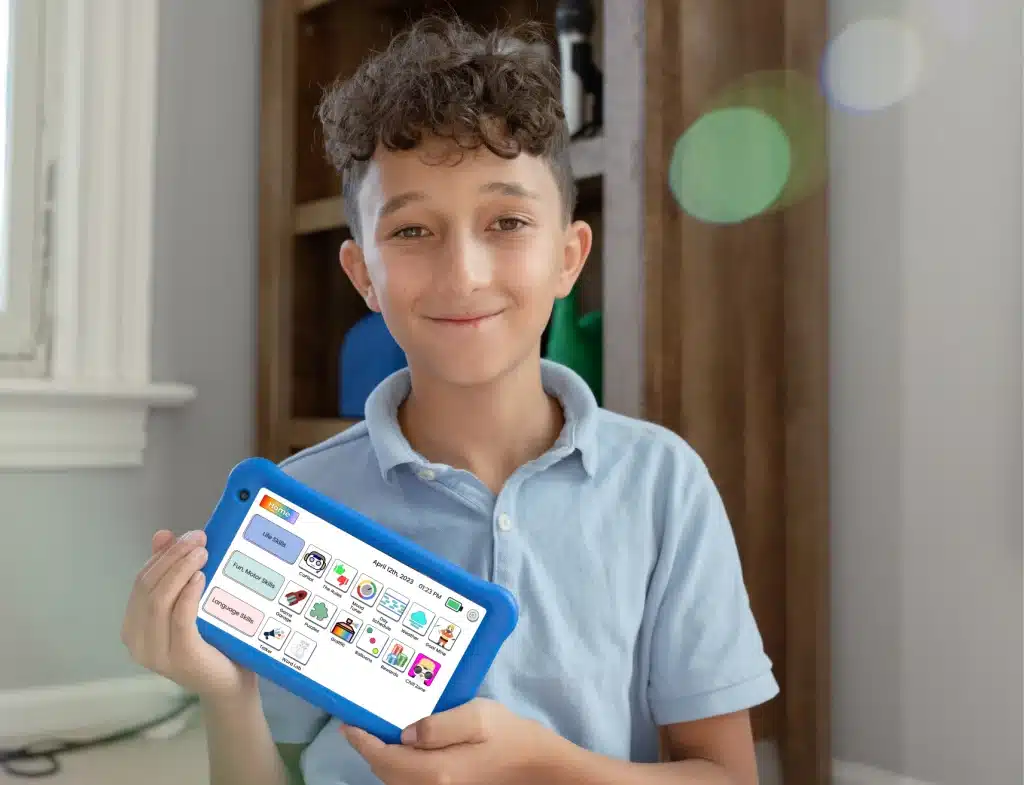
Give your kid an independent future. Goally has 15+ learning apps that teach life skills. There are NO web browsers, social media, or YouTube.
Our apps teach executive function, language, emotional regulation, finger dexterity skills, and more. It also 100+ video classes teaching social skills.
Final Thoughts: Navigating the TikTok Terrain
In conclusion, TikTok addiction is a real concern, especially for neurodivergent kids who may be more susceptible to the app’s allure. By being vigilant, recognizing the signs, and helping your child establish healthy boundaries, you can ensure they enjoy the fun aspects of TikTok without falling victim to addiction. Remember, the key is balance and open communication, allowing your child to explore the digital world while staying grounded in reality.
This post was originally published on 05/10/2023. It was updated on 07/13/2023.

Goally
We help parents teach their kids life skills, like doing bedtime and morning independently. Backed by science, we incorporate evidence-based practices and expert-informed designs in all of our apps and content.