As a parent, you might be curious about the “dangers of TikTok” and whether the app is safe for your child. This blog post delves into the potential risks your neurodivergent kid may encounter while offering useful tips to keep them protected. We’ll discuss topics like inappropriate content, privacy concerns, and mental health impact. Stick around and learn how to make informed decisions while ensuring your child’s digital well-being.
Table of Contents
Understanding the Risks: Inappropriate Content
One of the primary concerns about TikTok is the presence of inappropriate content. Despite the platform’s guidelines, explicit material can still find its way into your child’s feed. This might expose them to content that is not suitable for their age or could be triggering for kids with thinking and learning differences.

It’s essential to be aware of the following aspects:
- Videos may contain explicit language, violence, or dangerous challenges.
- Sexually suggestive or provocative content can be found on the platform.
- Some creators may promote unhealthy behaviors, self-harm, or eating disorders.
By monitoring your child’s online activity and maintaining an open dialogue about the content they encounter, you can create a safe environment for them on TikTok.
SPONSORED BY: Goally
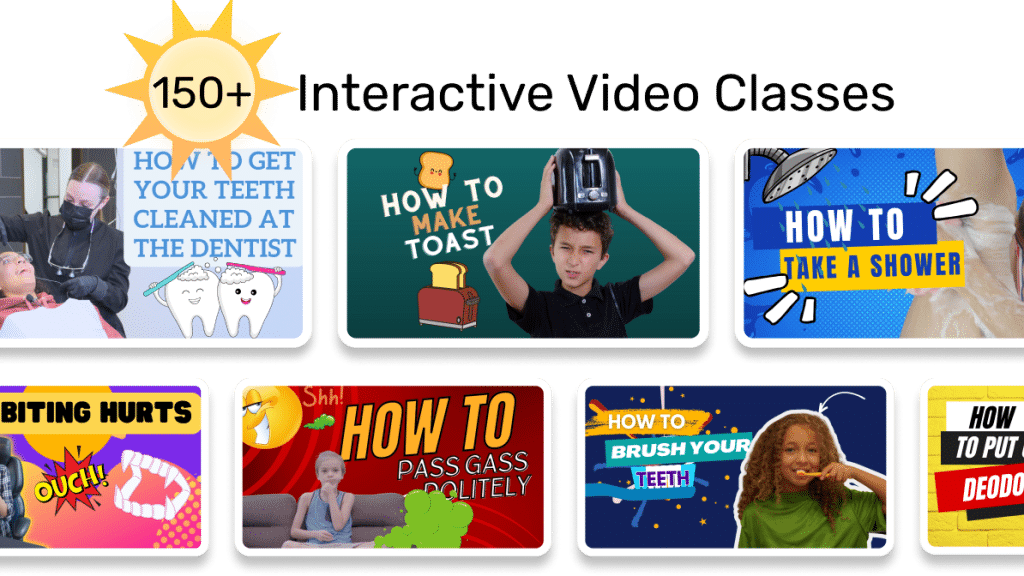
Goally’s Kid’s Tablet has one of the largest libraries of skill-building videos (like “How to Share” and “What To Do When You’re Lost”) in the Goal Mine app.👇
Privacy Concerns: Protecting Personal Information
Another issue with TikTok is privacy. As with any social media platform, users can unintentionally share personal information that could put their security at risk. Teaching your child about online safety and privacy can help them avoid potential dangers.
Remember to:
- Ensure your child’s account is set to “private” to control who can view their content.
- Teach your child about the importance of not sharing personal information like their full name, address, or school name.
- Encourage them to report any suspicious users, messages, or content they come across.
By taking these steps, you can establish boundaries and create a secure online experience for your child.
Impact on Mental Health: Social Comparisons and Cyberbullying
Considering the fast-paced nature of TikTok and the pressure to gain likes and followers, the platform can have an impact on your child’s mental health. This is especially true for neurodivergent kids who might find it challenging to navigate the complex world of online interactions.
It’s essential to be aware of:
- Cyberbullying, which can happen on any platform, including TikTok. Encourage your child to speak up if they experience online harassment.
- Social comparison, which can harm your child’s self-esteem. Excessive exposure to the app might lead them to compare themselves to others in an unhealthy way.
- The importance of setting screen time limits and promoting offline activities to maintain balance and protect their mental well-being.
Having open conversations and providing a supportive environment is vital for addressing mental health concerns related to TikTok usage.

Practical Tips for Parents: Navigating the Dangers of TikTok
The potential risks on TikTok are real, but there are practical ways to address them and ensure a safer experience for your child. By staying proactive and engaged, you’ll be better equipped to support your child’s digital well-being.
Consider the following tips:
- Stay informed about TikTok and its features. Familiarize yourself with the platform’s policies, privacy settings, and reporting tools.
- Monitor your child’s online activity. Know the content they are viewing and creating, and discuss it with them regularly.
- Set boundaries for screen time and encourage offline activities to promote balance. Find out if your child is getting too much screen time.
- Communicate openly with your child about their online experiences and provide guidance when needed.
- Report harmful content and users to help maintain a safer community for all users.
By following these tips, you can create a safer space for your neurodivergent kid on TikTok.
Goally | Skills Training Videos for Kids
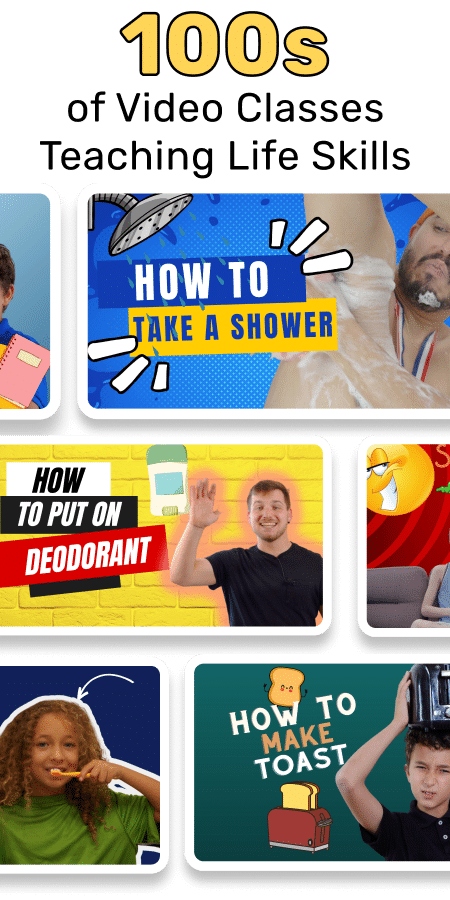
Does your child need some extra guidance on building essential life skills? Goally’s TV app for kids has the most robust video library of skills training videos for kids. Ranging from content like “How to Brush Your Teeth” to “How to Make Friends at School,” we have dozens of interactive video lessons for kids with thinking and learning differences.
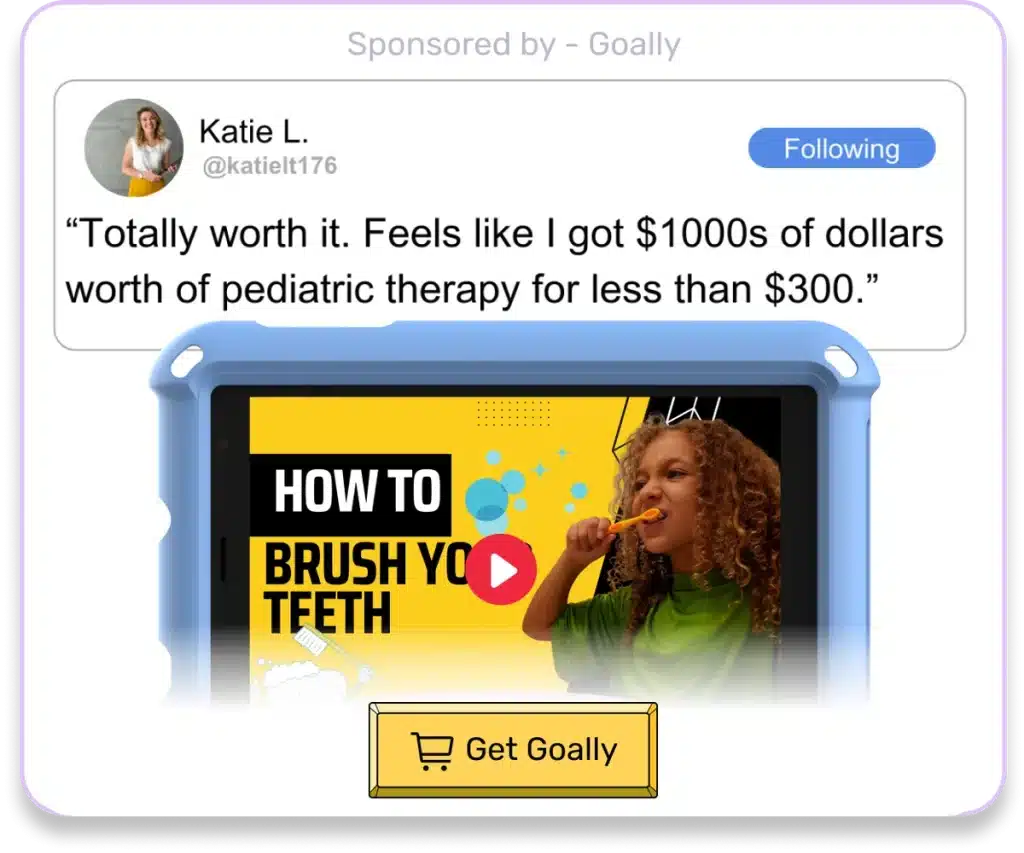
Dive into the Goal Mine channel, where Puffy the Penguin leads your child through behavior skills training videos. They’ll learn social, hygiene, and living skills that are key to their independence. For those moments when they need a break, the Chill Zone channel offers low stimulation video content with Paulie the Penguin at the beach, perfect for relaxation and self-regulation.
Final Thoughts: Embracing Digital Responsibility
Let’s face it – the dangers of TikTok aren’t unique to the platform. All social media platforms have these concerns present. As a parent, it’s essential to educate yourself on these potential risks and open a dialogue with your child. By promoting digital responsibility and implementing safety measures, you can help your neurodivergent kid enjoy a fun and secure online experience. In the end, staying informed, engaged, and supportive is the key to success.
FAQs About Dangers of TikTok
What are the main dangers of TikTok for children?
The main dangers of TikTok for children include exposure to inappropriate content, potential contact with strangers, and the risk of addiction, which may lead to adverse effects on mental and emotional well-being.
Is there an age restriction for using TikTok?
Yes, TikTok requires users to be at least 13 years old, but age verification can be easily bypassed, making parental supervision essential.
Can parents control what their children see on TikTok?
Parents can use TikTok's Family Pairing feature to set limits and restrict content, providing a safer environment for younger users.
What is TikTok's impact on children's privacy?
TikTok may collect personal information, and children might inadvertently share private details. Privacy settings should be carefully managed to minimize exposure.
How can parents monitor their children's TikTok activity?
Parents can monitor their children's TikTok activity by using the Family Pairing feature or third-party parental control apps, enabling them to oversee interactions and content viewed.
This post was originally published on 05/10/2023. It was updated on 08/06/2023.

Goally
We help parents teach their kids life skills, like doing bedtime and morning independently. Backed by science, we incorporate evidence-based practices and expert-informed designs in all of our apps and content.