As someone who works with kids, I’ve often noticed parents expressing concern when their kids sit in the W position. You might wonder why kids sit this way and whether it’s something to worry about. This article will delve into the reasons behind this common sitting posture, the potential impacts on your child’s development, and strategies to encourage healthier sitting habits.
Table of Contents
What Exactly Is W-Sitting?
W-sitting is a common sitting position where a child sits on their bottom with knees bent and feet pointed outward, forming a W shape with their legs. It’s a position many kids naturally gravitate towards, especially during floor play or while watching TV.
Here’s a quick breakdown of what W-sitting looks like:
- Bottom on the floor
- Knees bent and close to the body
- Feet turned outwards on either side of the hips
- Legs forming a W shape when viewed from above
While it might seem harmless, prolonged W-sitting can have some unexpected consequences for a child’s development. Let’s explore why this position catches the attention of pediatric professionals like myself.

Read more about ADHD and Touch
The Impact of W-Sitting on Child Development
I’ve observed firsthand how a child’s sitting habits can influence their overall development. W-sitting, while comfortable for many kids, can potentially affect various aspects of their growth and skill acquisition.
Here are some key areas where W-sitting might have an impact:
| Developmental Area | Potential Impact of W-Sitting |
|---|---|
| Core Strength | May weaken core muscles due to reduced engagement |
| Hip Development | Can lead to hip tightness or misalignment |
| Balance and Coordination | Might hinder development of balance skills |
| Gross Motor Skills | Could delay acquisition of certain motor milestones |
| Posture | May contribute to poor posture habits |
It’s important to remember that occasional W-sitting isn’t typically a cause for alarm. The concern arises when it becomes a child’s default position for extended periods. In my practice, I’ve seen how persistent W-sitting can sometimes correlate with delays in gross motor development or challenges with balance and coordination.
The Surprising Link: W Sitting and ADHD
You might be wondering, “What does W-sitting have to do with ADHD?” It’s a question I often hear from parents. While it might seem like an unlikely connection, there’s an interesting relationship between W sitting and ADHD that’s worth exploring.
Here’s what we know:
- Sensory Processing: Many children with ADHD have differences in sensory processing. W-sitting can provide additional sensory input through pressure on the legs and hips, which some kids find calming or organizing.
- Core Strength: Children with ADHD often have lower core strength. W-sitting allows them to stabilize their body without engaging core muscles, making it an appealing position.
- Attention and Focus: The stability provided by W-sitting might help some children with ADHD feel more grounded, potentially improving their ability to focus on tasks.
- Hyperactivity: For some hyperactive children, W-sitting can serve as a way to restrict movement, helping them feel more in control of their body.
It’s crucial to understand that W-sitting doesn’t cause ADHD, nor does ADHD necessarily lead to W-sitting. However, the connection highlights the importance of considering a child’s sitting habits as part of their overall developmental picture. In my work with neurodivergent kids, I often find that addressing sitting positions can be one piece of the puzzle in supporting their unique needs.
Alternatives to W-Sitting: Promoting Healthy Posture
When it comes to kids sitting in W position, I’ve found that offering alternatives can make a big difference. The key is to make these new positions fun and comfortable for your child.
Here are some W-sitting alternatives I often recommend to parents:
- Cross-legged sitting (often called “criss-cross applesauce”)
- Side-sitting (legs bent to one side)
- Long-sitting (legs extended straight out)
- Kneeling
- Using a small chair or stool during floor play
Remember, the goal isn’t to eliminate W-sitting entirely, but rather to encourage a variety of positions. This diversity helps promote better core strength, hip stability, and overall motor development. I often tell parents to think of it like a healthy diet – variety is key!

Read more: ADHD Routine Chart
Practical Tips for Parents: Addressing W-Sitting at Home
Now that we understand the potential impacts of kids sitting in W position, let’s talk about what you can do at home. As someone who works with children daily, I’ve gathered some practical strategies that can help shift your child away from W-sitting without turning it into a battle.
Here are my top tips for parents:
- Lead by example: Sit in alternative positions yourself during floor play. Kids are natural imitators!
- Make it fun: Turn position changes into a game. For example, “Let’s sit like a pretzel!” for cross-legged sitting.
- Provide supportive seating: Use small stools, cushions, or child-sized chairs during floor activities.
- Encourage movement: Incorporate activities that require changing positions, like obstacle courses or yoga for kids.
- Use gentle reminders: When you notice W-sitting, calmly suggest an alternative. “Can you show me your favorite animal sitting position?”
Remember, change takes time. Be patient and consistent in your approach. In my experience, most children adapt well to new sitting habits with gentle encouragement and positive reinforcement.
When to Seek Professional Help
I’m often asked when parents should be concerned about their child’s W-sitting habit. While occasional W-sitting isn’t typically a cause for alarm, there are situations where professional guidance can be beneficial.
Consider reaching out to a pediatrician or pediatric occupational therapist if:
- Your child exclusively W-sits and resists other positions
- You notice delays in gross motor skills or coordination
- Your child complains of pain in hips, knees, or ankles
- W-sitting persists beyond age 5-6
- You observe signs of low muscle tone or excessive joint flexibility
A professional can assess your child’s overall development and provide tailored strategies if needed. In my practice, I’ve seen how early intervention can make a significant difference in addressing any potential issues related to persistent W-sitting.
Goally | Apps To Support Child Development
Looking for fun ways to help your child learn life skills? Try Goally! The Goally tablet comes with award-winning learning apps and video classes to help kids develop the skills they need to become independent with FUN & evidence-based practices.
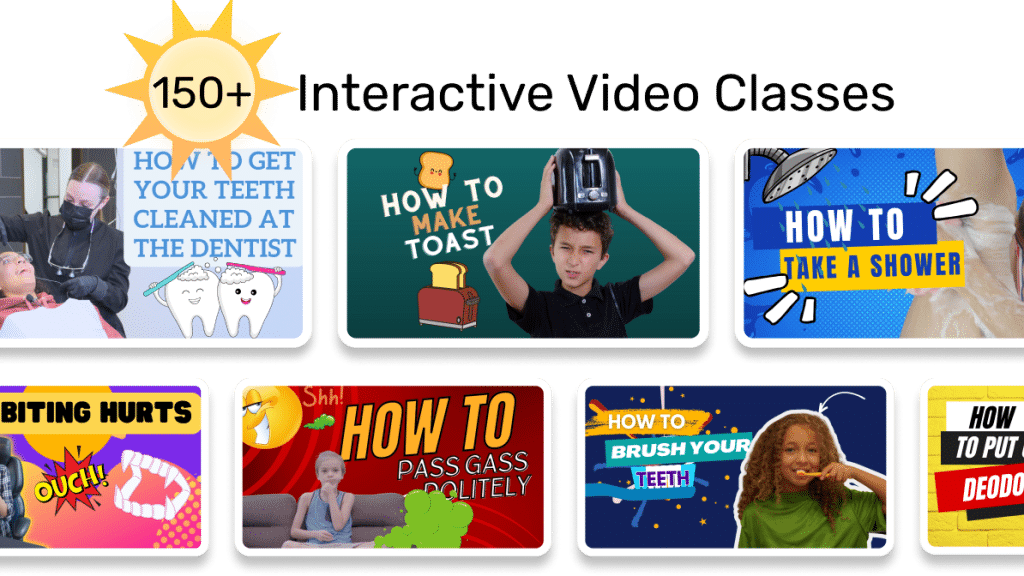
Our apps teach executive function, language, emotional regulation, finger dexterity skills, and more.
As your child develops new skills, you can increase the difficulty level of the tasks in the app to challenge and motivate them even further. This helps your child grow and progress at their own pace, while also keeping them engaged and excited about their development.
Kids often sit in a W position, but it’s important to know its effects and how to manage it. Encourage different, healthy sitting positions instead of stopping W-sitting completely. By using the tips we’ve covered, you support your child’s physical development. Keep it positive, fun, and celebrate small wins as your child tries new ways of sitting and moving. Your focus on this detail helps your child’s overall growth and well-being.
Resources:
- American Occupational Therapy Association
- American Academy of Pediatrics
- National Center for Biotechnology Information
FAQs about Kids Sitting in W Position
Is W sitting harmful for my child?
Occasional W sitting is generally not harmful, but prolonged and habitual use may potentially impact development. It's best to encourage a variety of sitting positions to support well-rounded physical development.

At what age should children stop W sitting?
Most children naturally outgrow W sitting by age 5 or 6 as they develop better core strength and balance. If W sitting persists beyond this age or is strongly preferred, it may be worth discussing with a pediatrician or occupational therapist.

Is there a link between W sitting and ADHD?
While some children with ADHD may prefer W sitting, it's not a diagnostic indicator or cause of ADHD. The position might provide extra sensory input or stability that some neurodivergent children find comforting.

How can I encourage my child to sit in other positions?
Offer alternative seating options like small chairs, cushions, or therapy balls, and make position changes fun by turning them into games. Model other sitting positions yourself and create an environment that naturally discourages prolonged W sitting.

Can W sitting cause hip problems?
While occasional W sitting is unlikely to cause hip problems, prolonged and excessive use might potentially stress the hip joints. If you're concerned about your child's hip development, it's best to consult with a pediatrician or pediatric physical therapist for a professional assessment.
This post was originally published on 05/10/2023. It was updated on 07/18/2024.

Goally
We help parents teach their kids life skills, like doing bedtime and morning independently. Backed by science, we incorporate evidence-based practices and expert-informed designs in all of our apps and content.