Parents and caregivers, it’s time to embark on an exciting journey! Your neurodivergent teen is growing up, and the autism transition to adulthood is just around the corner. It may seem tricky, but you can help your teen find their way with a good plan and some patience. In this blog post, we’ll share helpful tips and ideas to support your teen as they step into the adult world.
Table of Contents
Uncovering Your Teen’s Superpowers and Challenges
You know your child better than anyone else, right? Dive deep into those great traits that set your teen apart. It could be their excellent artistic skills, a knack for numbers, or they have an unrivaled love for animals. These strengths aren’t just talents or hobbies; they’re tools for navigating the journey of autism transition to adulthood, fueling their school performance, work life, and personal interests.
- Embrace the journey: Recognize that every mountain has its peaks and valleys.
- Identify challenges: Understand the potential difficulties your teen may encounter in their daily routines, interactions, and friendships.
- Provide essential support: Use this understanding as the foundation to offer the right assistance, making their transition to adulthood with autism smoother.
- Be their ally: Remember, you’re not just a parent but their most vital ally on this journey.
- Count on Goally: We’re here every step of the way to support you and your teen.
Read More: Goally for Teens
Great job in understanding your teen’s unique strengths and challenges! It’s now time to put that knowledge to good use. Collaboratively setting achievable goals with your child for their transition to adulthood with autism can be a real game-changer. It’s like giving them a clear road map, ensuring they’re on the right track. This goal-setting journey isn’t just about completing tasks; it’s about boosting their independence and self-assurance, both vital for adulthood. Remember, every little step forward is a significant victory on this path. So, let’s keep those positive vibes rolling!

Mapping Out the Path for School and Work
Continuing Education
First, ensure your teen finishes high school with everything they need to graduate. Then, look into colleges or trade schools that match your teen’s interests and talents. This will give them a solid foundation for their future career.
| High school diploma or GED | Finish high school and get a diploma |
| College or trade school | Find schools that match your teen’s interests and talents |
| Job training programs | Special programs that teach skills for a certain job or career |
Finding a Job
Let’s spark some career curiosity! Learn about the jobs that light up your teen’s eyes. Be their cheerleader, encouraging them to volunteer or consider internships and apprenticeships. These aren’t just great resume boosters; they’re hands-on experiences that bring them one step closer to their dream job during their autism transition to adulthood. These opportunities also offer a glimpse into real-world working environments and allow them to learn directly from professionals in their desired fields. Remember, every experience is a stepping stone toward their career aspirations.
- Research potential careers
- Gain experience through volunteering
- Look for internships and apprenticeships
Read More: 5 Jobs for People with Autism

Teaching Your Teen To Live on Their Own
Taking Care of Themselves
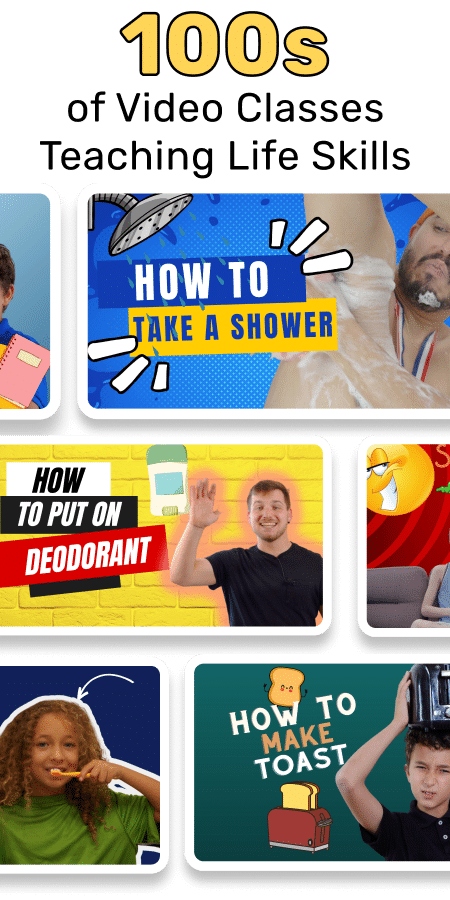
Show your teen how to stay clean by teaching them about bathing, brushing their teeth, and caring for their body. Also, ensure they know how to stay healthy by managing their medicine, seeing the doctor, and handling small sicknesses or injuries.
- Teach personal hygiene habits
- Explain the importance of health management
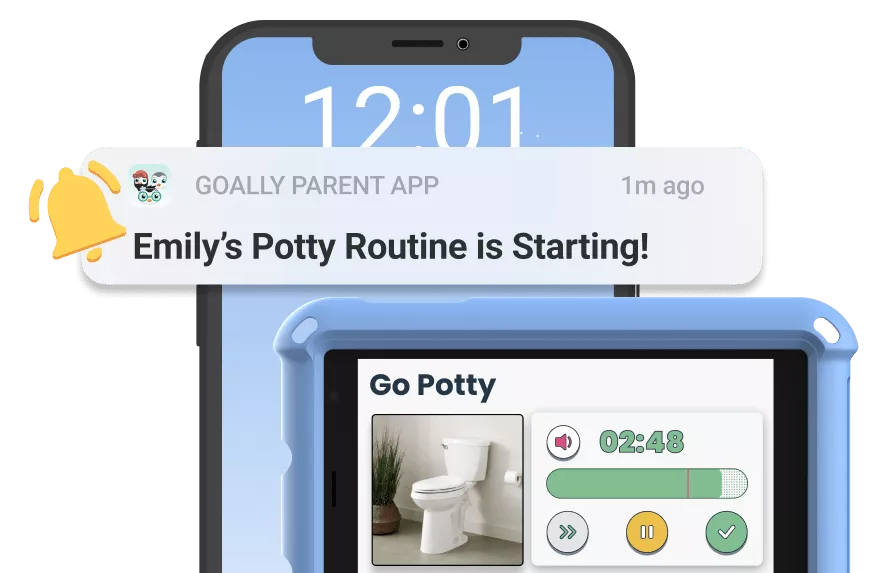
The Tablet for Daily Routines:
Customize visual schedules that teach kids independence. No more nagging, no more stress.
Taking Care of Their Home
Teach your teen how to cook simple, healthy meals, and help them learn to keep their living space clean and tidy. Show them how to do laundry, including washing, drying, and folding their clothes.
- Cooking skills
- Cleaning responsibilities
- Laundry basics
Managing Money
Help your teen plan how to spend and save their money by making a budget. Teach them why it’s essential to save money for the future or emergencies. Show them how to use a bank account, like checking and savings accounts, and how to use an ATM.
- Creating a budget
- Importance of saving money
- Basic banking concepts

Building Friendships and Keeping Them
Making Friends
Encourage your teen to join clubs or groups where they can do activities they like and meet new people. Help them practice talking with others by pretending to be in different situations so they feel more comfortable will help your child with autism transition to adulthood.
- Participate in clubs or groups
- Practice social skills through role-playing
Keeping Friends
Empower your teen with the skills to communicate clearly and resolve conflicts with their friends. Teaching them effective communication strategies gives them the tools to express themselves and listen effectively. Additionally, providing guidance on conflict resolution techniques will help them navigate disagreements and solve problems healthily. It’s all about building those essential life skills for a smoother journey into adulthood with autism.

Navigating the Rules for Grown-Ups
Guardianship and Conservatorship
Figure out if your teen needs help to make decisions when they’re an adult and if they need a legal guardian or conservator. Talk to a lawyer to learn about the process and your choices.
- Assess your teen’s decision-making abilities
- Consult with an attorney for guidance
Government Help
Learn about any help from the government your teen might be able to get, like Supplemental Security Income (SSI) or Medicaid. Start the paperwork early so everything goes smoothly.
- Research government benefits
- Begin the application process early
Goally | Routines that Actually Work
Goally’s skill building tablet for kids has routines that break down large tasks into small, achievable steps. It helps kids complete their tasks independently!

Create custom routines with your own videos & pictures for every step. The steps come in small, bite-sized pieces to help your child learn the little fundamentals (like putting the toothpaste on their toothbrush!) to achieve bigger goals. And that’s just the beginning. See it in action:
Wrapping It Up
As a parent or caregiver, your support means everything during your neurodivergent teen’s autism transition to adulthood. By giving them the tools, help, and confidence they need, you’re helping them succeed in becoming an adult. Remember, every step they take shows how much you love and believe in them. So, keep cheering them on – you can do it!
FAQs About Helping Autistic Teens Transition to Adulthood
What is the autism transition to adulthood?
The autism transition to adulthood is when a teenager with autism begins to acquire skills and take on responsibilities that lead to a more independent adult life.
How can parents support their teens during the autism transition to adulthood?
Parents can support their teens by understanding their strengths and challenges, setting achievable goals, encouraging real-life experiences like volunteering or internships, and using learning tools such as visual schedules and emotional regulation apps.
What role do learning tools play in the autism transition to adulthood?
Learning tools like visual schedules and emotional regulation apps can provide structure, enhance communication, promote emotional well-being, and foster independence during the autism transition to adulthood.
How can real-world experiences assist in the autism transition to adulthood?
Real-world experiences like volunteering or internships provide hands-on learning, enhance practical skills, boost confidence, and offer a taste of different careers for teens transitioning to adulthood.
What's the importance of setting goals during the autism transition to adulthood?
Setting achievable goals provides direction and motivation for teens, promoting independence, self-confidence, and a clear path forward during the autism transition to adulthood.
This post was originally published on 04/16/2023. It was updated on 09/29/2023.

Goally
We help parents teach their kids life skills, like doing bedtime and morning independently. Backed by science, we incorporate evidence-based practices and expert-informed designs in all of our apps and content.