As a parent, understanding your child’s unique needs is essential for their growth and development. If you suspect your little one might be on the autism spectrum, it’s natural to feel a mix of emotions. That’s where a childhood autism spectrum test comes in handy. In this comprehensive guide, we’ll walk you through the process of identifying signs of autism and how a test can help provide clarity for both you and your child.
Table of Contents
Understanding Autism Spectrum Disorder (ASD)
Autism Spectrum Disorder (ASD) is a neurodevelopmental condition that affects how a person perceives the world, interacts with others, and processes information. It’s called a spectrum because the symptoms and severity can vary widely from one individual to another. Early detection is crucial for providing the right support and resources for kids with thinking and learning differences.
ASD is typically diagnosed in early childhood, with signs often appearing before age three. However, some children may not receive a diagnosis until later in life. While the exact cause of autism remains unknown, research suggests that a combination of genetic and environmental factors may contribute to its development.
Read More: 2 Year Old Not Talking | When Is It Normal?
Some common signs of autism in children include:
- Difficulty with social interactions
- Repetitive behaviors or interests
- Challenges with communication
- Sensory sensitivities
- Resistance to change in routines or environment
It’s important to remember that every child with autism is unique, and their symptoms can present differently. Some children may have mild challenges, while others may face more significant difficulties in their daily lives.
Goally | Visual Scheduler for Autism
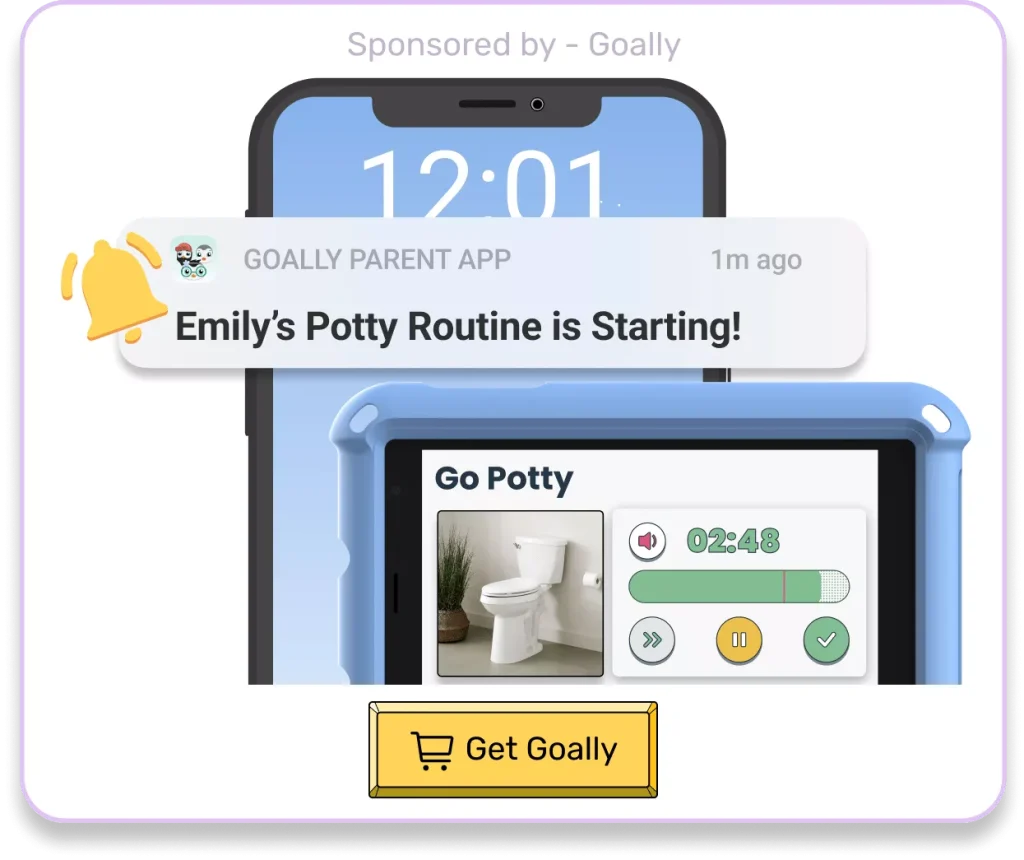
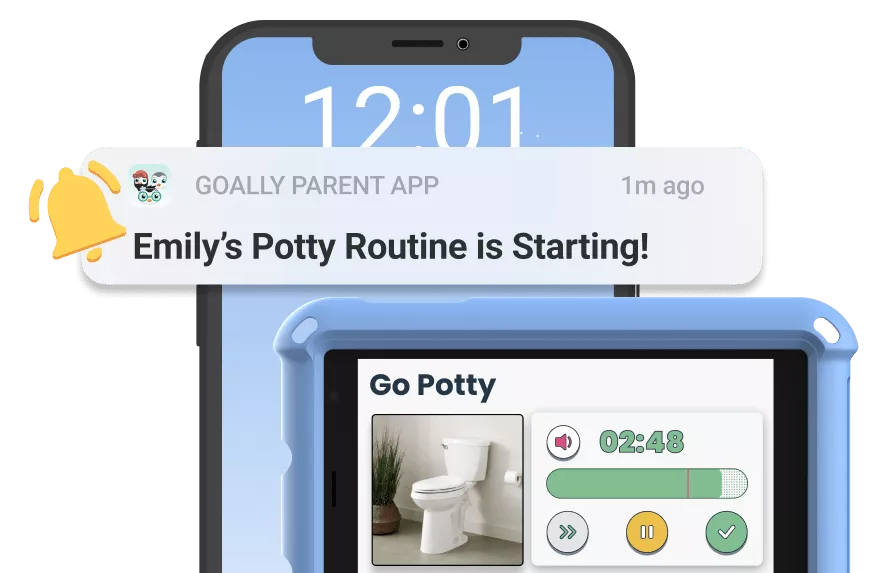
Does your child struggle with getting ready in the morning independently? Goally’s routine app on the best tablet for kids breaks down large tasks into small, achievable steps for autistic kids. Create custom routines with your own videos & pictures for every step.
Why a Childhood Autism Spectrum Test Matters
Early intervention is key in supporting neurodivergent kids. The sooner you identify the signs of autism, the sooner you can seek appropriate resources and support. A childhood autism spectrum test can help you:
- Understand your child’s unique needs
- Connect with professionals and resources
- Develop strategies for communication and interaction
- Advocate for your child in school and other settings
Research has shown that early intervention can improve outcomes for children with autism. By identifying the signs and seeking support as soon as possible, you can help your child develop essential skills and improve their overall quality of life.

Types of Childhood Autism Spectrum Tests
Several tests and assessments are available to help identify autism in children. Some of the most common include:
- Screening tools: These are questionnaires or checklists completed by parents or caregivers to help identify potential signs of autism. They can be a useful first step in the assessment process.
- Diagnostic evaluation: A team of specialists, such as a pediatrician, psychologist, or speech therapist, will conduct a thorough assessment using standardized tests and tools, such as the Autism Diagnostic Observation Schedule (ADOS) and the Autism Diagnostic Interview-Revised (ADI-R).
- Developmental assessments: These evaluations focus on a child’s overall development, including cognitive, motor, language, and social skills. They can help identify areas of concern and provide a baseline for monitoring progress over time.
Each type of test has its benefits and limitations, so it’s essential to work with a qualified professional to determine the most appropriate assessment for your child.
How a Childhood Autism Spectrum Test Works
Autism assessments typically involve a combination of observations, interviews, and standardized tests. The process can vary depending on the child’s age and the specific concerns. Here’s what you can expect:
- Initial screening: A healthcare professional will ask about your child’s development and observe their behavior. This may involve completing a screening tool, such as the Modified Checklist for Autism in Toddlers (M-CHAT).
- Diagnostic evaluation: A team of specialists, such as a pediatrician, psychologist, or speech therapist, will conduct a thorough assessment using standardized tests and tools, such as the Autism Diagnostic Observation Schedule (ADOS) and the Autism Diagnostic Interview-Revised (ADI-R).
- Follow-up and support: Based on the results, the team will provide recommendations for interventions, therapies, and support services. This may include speech therapy, occupational therapy, or behavioral interventions, such as Applied Behavior Analysis (ABA).
Remember that the assessment process can take time, and being patient and open-minded throughout the journey is essential. Remember that the goal is to gather as much information as possible to help support your child’s unique needs.
Preparing for the Childhood Autism Spectrum Test
Before embarking on the assessment process, preparing yourself and your child is essential. Here are tips to help you get ready:
- Gather information: Compile any relevant documents, such as medical records, school reports, or therapy notes, to share with the assessment team.
- Observe your child: Take note of any behaviors, patterns, or challenges you’ve noticed in your child’s daily life. This information can be helpful during the evaluation process.
- Communicate with your child: Depending on their age and understanding, talk to your child about the upcoming assessment. Reassure them that the process is designed to help them and that there’s nothing to fear.
- Be patient: Remember that the assessment process can take time, and being patient and open-minded throughout the journey is essential.
Helping Your Neurodivergent Child Thrive
Ultimately, the goal of a childhood autism spectrum test is to help you support your child in the best way possible. Armed with the knowledge gained from the test, you can:
- Seek appropriate therapies and interventions
- Advocate for accommodations in school
- Connect with other parents and support groups
- Develop a deeper understanding of your child’s unique perspective
Remember, every child is different, and there’s no one-size-fits-all approach to supporting neurodivergent kids. You can help your child flourish and reach their full potential with patience, empathy, and the right resources. Check out the autism spectrum wheel for more information!
Supporting Your Child at Home
While professional interventions and therapies are essential, there’s a lot you can do at home to support your child’s development. Here are some strategies to consider:
- Create a structured environment: Children with autism often thrive in predictable and structured settings. Establish routines, provide visual schedules, and create a calm, organized living space.
- Encourage social interaction: Find opportunities to help your child practice social skills, such as playdates, group activities, or family outings.
- Focus on communication: Use visual aids, gestures, or alternative communication methods to help your child express their needs and emotions.
- Teach self-regulation: Help your child develop strategies for managing sensory sensitivities and coping with stress, such as deep pressure, calming activities, or relaxation techniques.
Read More: How to Choose an AAC Speech Device

Connecting with Other Parents and Support Groups
Parenting a child with autism can be challenging, but you don’t have to go through it alone. Connecting with other parents and support groups can provide invaluable resources, encouragement, and understanding. Consider the following:
- Local support groups: Look for autism support groups in your community where you can meet other parents and share experiences, tips, and resources.
- Online forums and social media: Join online communities, such as Facebook groups or discussion forums, where you can connect with other parents and professionals worldwide.
- Workshops and conferences: Attend autism-related workshops and conferences to learn about the latest research, therapies, and strategies for supporting your child.
- Parent coaching and training: Seek parent coaching or training programs to help you develop skills and strategies for supporting your child at home.
Advocating for Your Child in School
Ensuring your child receives appropriate support in school is essential for their academic and social success. Here are tips for advocating for your child:
- Understand your child’s rights: Familiarize yourself with the laws and regulations that protect the rights of children with disabilities, such as the Individuals with Disabilities Education Act (IDEA).
- Communicate with the school: Maintain open communication with your child’s teachers, therapists, and administrators to ensure they understand your child’s unique needs and strengths.
- Participate in the Individualized Education Program (IEP) process: Work collaboratively with the school team to develop an IEP that outlines your child’s specific goals, accommodations, and services.
- Monitor progress: Regularly review your child’s progress and adjust their educational plan.
By taking an active role in your child’s education, you can help ensure they receive the support they need to succeed in school and beyond.
Goally | Apps To Support Child Development
Looking for fun ways to help your child learn life skills? Try Goally! The Goally tablet comes with award-winning learning apps and video classes to help kids develop the skills they need to become independent with FUN & evidence-based practices.

Our apps teach executive function, language, emotional regulation, finger dexterity skills, and more.
As your child develops new skills, you can increase the difficulty level of the tasks in the app to challenge and motivate them even further. This helps your child grow and progress at their own pace, while also keeping them engaged and excited about their development.

Conclusion
Recognizing the signs of autism and seeking a childhood autism spectrum test is the first step towards understanding and supporting your child’s unique needs. Educating yourself, connecting with resources, and advocating for your child can help them thrive and reach their full potential. Remember, every child is different, and with patience, empathy, and the right support, you can positively impact your child’s life.
FAQs About Childhood Autism Spectrum Test
What is a childhood autism spectrum test?
A childhood autism spectrum test is a series of evaluations and assessments performed by healthcare professionals to diagnose autism spectrum disorders (ASD) in children. It helps in identifying specific behavioral patterns and developmental challenges.
How early can a child be tested for autism?
Children can be tested for autism as early as 18 months of age. Early diagnosis and intervention are crucial for increased outcomes and support.
What professionals are involved in autism testing for children?
Autism testing for children is often conducted by specialists, including pediatricians, psychologists, speech and language therapists, and occupational therapists, collaborating to form an accurate diagnosis.
Are there any at-home screening tools for autism?
While there are some at-home screening tools, such as the M-CHAT (Modified Checklist for Autism in Toddlers), they are not substitutes for a professional diagnosis. These can only signal the need for further professional evaluation.
How long does it take to receive the results of an autism spectrum test for a child?
The time to receive results for an autism spectrum test can vary, but generally, it takes a few weeks after completing all assessments. Immediate feedback and insights are often provided following each individual test session.
This post was originally published on 05/22/2023. It was updated on 08/05/2023.

Goally
We help parents teach their kids life skills, like doing bedtime and morning independently. Backed by science, we incorporate evidence-based practices and expert-informed designs in all of our apps and content.