Parents, have you ever wondered why your neurodivergent child might struggle with ADHD eye contact? You’re not alone. Eye contact is an essential aspect of communication, and understanding its significance can help you better support your child’s social development. In this blog post, we’ll explore the reasons behind ADHD eye contact challenges, offer practical tips for improving them, and discuss the importance of empathy and patience in this journey. So, let’s get started!
Table of Contents
Unraveling the Mystery of ADHD Eye Contact
First, it’s crucial to recognize that ADHD eye contact difficulties stem from the unique brain wiring of neurodivergent kids. For instance, these children may experience sensory overload, which can make maintaining eye contact uncomfortable or even painful. They might also struggle with focus and attention, making it challenging to sustain eye contact during conversations.
1. Sensory Overload
Neurodivergent kids often have heightened sensitivity to sensory stimuli, such as bright lights, loud noises, or even the intensity of someone’s gaze. This sensitivity can lead to sensory overload, causing discomfort and making it difficult for them to maintain eye contact. In other words, avoiding eye contact might be their way of coping with overwhelming sensory input.

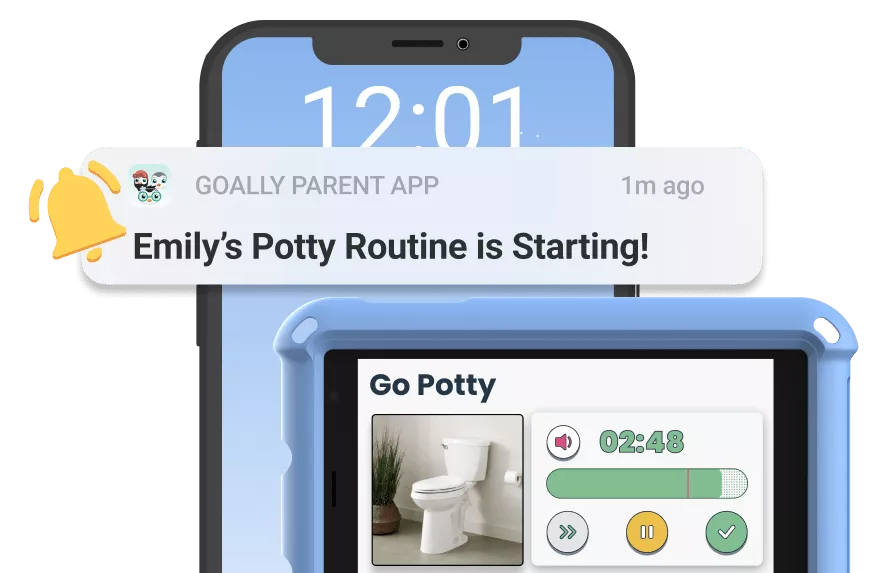
Customize visual schedules that teach kids independence. No more nagging, no more stress.
Here are some common sensory triggers that can affect ADHD eye contact:
- Bright or flickering lights
- Loud or sudden noises
- Strong smells or tastes
- Intense eye contact from others
2. Focus and Attention Challenges
ADHD is having difficulties with focus and attention. Consequently, kids with ADHD may find it hard to concentrate on a person’s face while simultaneously processing what they’re saying. In these cases, avoiding eye contact can be an unconscious strategy to help them better understand and engage in conversation.
Some common attention-related challenges that can impact ADHD eye contact include:
- Difficulty filtering out distractions
- Short attention span
- Impulsivity
- Difficulty following multi-step instructions
Supporting Your Child’s ADHD Eye Contact Development
Now that we’ve explored the reasons behind ADHD eye contact challenges let’s discuss some practical tips for helping your child improve in this area. Remember, patience and empathy are key – progress may be gradual, but your support can make a world of difference.
1. Practice Makes Progress
Encourage your child to practice eye contact in a safe and comfortable environment. For example, you can play games that involve looking at each other’s eyes, such as “I Spy” or “Simon Says.” Keep the sessions short and fun, gradually increasing the duration as your child becomes more comfortable.
Using a tool like Goally can also help your child practice and improve their ADHD eye contact skills. Goally’s learning tablet for kids offers engaging activities and apps specifically designed for neurodivergent children, making it an excellent resource for parents looking to support their child’s development.
2. Use Visual Aids
Visual aids, like social stories or illustrated books, can help your child understand the importance of eye contact and provide them with examples of appropriate behavior. You can also use videos or role-playing exercises to demonstrate and practice eye contact in various social situations.

Read more: How Much Eye Contact is Normal for Babies?
Consider creating a visual aid that includes:
- Images of people making eye contact
- Simple explanations of why eye contact is important
- Examples of situations where eye contact is acceptable
3. Offer Gentle Reminders
During conversations, gently remind your child to make eye contact if they seem to be struggling. However, avoid making them feel pressured or criticized. Instead, use positive reinforcement and praise their efforts when they do make eye contact.
Try using phrases like:
- “Great job making eye contact!”
- “I can tell you’re really listening when you look at me.”
- “Remember to look at my eyes when we’re talking.”
4. Seek Professional Help
If your child continues to struggle with ADHD eye contact despite your efforts, consider seeking the help of a professional, such as a therapist or occupational therapist. They can provide tailored strategies and support to help your child overcome their challenges.

Some professionals who can help include:
- Occupational therapists
- Speech and language therapists
- Behavioral therapists
- Psychologists
Empathy and Patience: The Cornerstones of Success
Above all, it’s essential to approach your child’s ADHD eye contact challenges with empathy and patience. Remember that they’re not avoiding eye contact to be rude or defiant – it’s simply a result of their unique brain wiring. By understanding their struggles and providing consistent support, you can help your child develop the skills they need to thrive in social situations.
Here are some ways to show empathy and patience:
- Listen to your child’s concerns and feelings
- Validate their experiences
- Offer encouragement and praise for their efforts
- Be patient with their progress
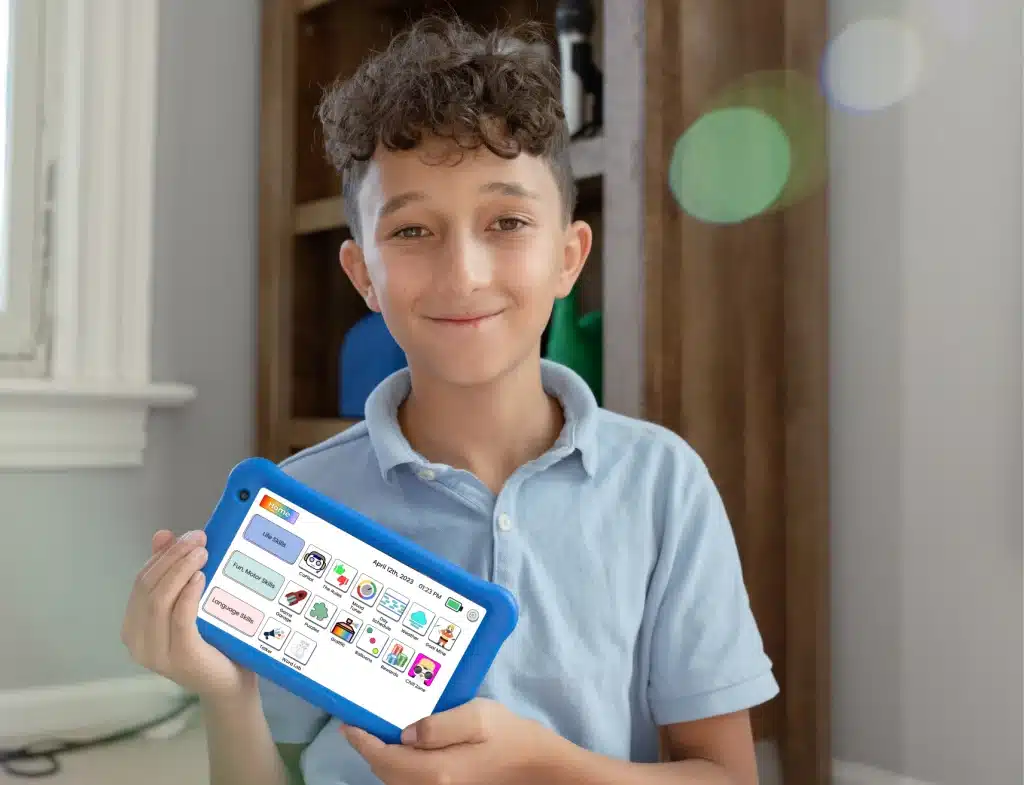
Give your kid an independent future. Goally has 15+ learning apps that teach life skills. There are NO web browsers, social media, or YouTube.
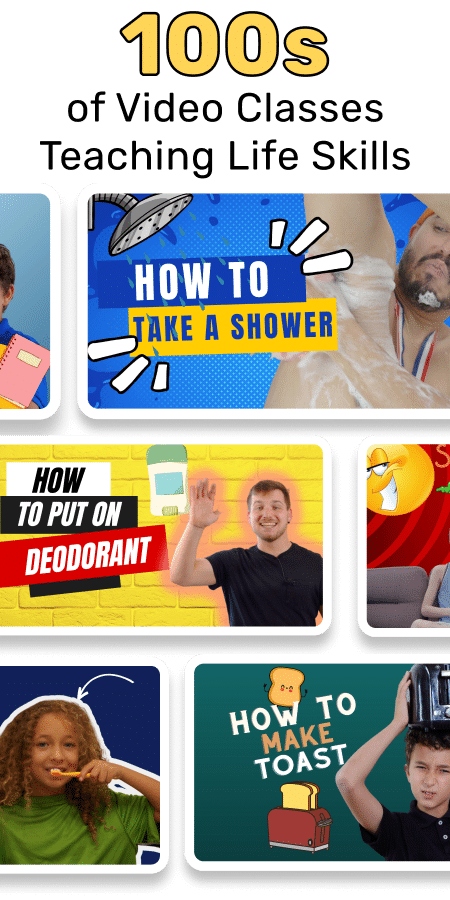
Our apps teach executive function, language, emotional regulation, finger dexterity skills, and more. It also 100+ video classes teaching social skills.
Every Step Counts: Supporting Your Child’s Journey
Improving ADHD eye contact in kids is a gradual process that requires understanding, patience, and persistence. By implementing the strategies discussed in this blog post and celebrating your child’s progress, you can help them build confidence and strengthen their social skills.
This post was originally published on 05/23/2023. It was updated on 07/11/2023.

Goally
We help parents teach their kids life skills, like doing bedtime and morning independently. Backed by science, we incorporate evidence-based practices and expert-informed designs in all of our apps and content.