Imagine a sunny afternoon in the park. Kids are laughing, the scent of fresh-cut grass fills the air, and there’s a certain magic in watching your little one explore the world around them. But as a parent, you might also find yourself observing their behaviors, comparing them to other children, and wondering if they’re hitting the right developmental milestones. You’re not alone. In fact, many parents find themselves searching for an “autism toddler test” as they navigate the early years of parenthood. This blog post will guide you through the signs of autism in toddlers, such as avoiding eye contact, not responding to their name by 9 months, showing a lack of facial expressions, or not engaging in simple interactive games by their first birthday. We’ll also discuss the process of diagnosis, which can often be reliably made by an experienced professional by age 2, though many children don’t receive a final diagnosis until later. By understanding these signs and the process of diagnosis, you’ll be better equipped to support your child’s unique journey.
Table of Contents
Noticing the Early Signs: Autism Symptoms in Toddlers
Autism Spectrum Disorder (ASD) is a complex neurological condition that affects communication, social interaction, and behavior. There isn’t a “one-size-fits-all” list of symptoms, as every child is different. However, certain red flags can indicate a need for further assessment:
- Delayed speech and language development
- Difficulty making eye contact or maintaining attention
- Lack of responsiveness, preferring to play alone
- Repetition of words, phrases, or actions (echolalia or stimming)
- Disruptive or aggressive behaviors
It’s important to recognize that many toddlers will exhibit typical developmental behaviors, but accumulating these signs may signal a potential need for evaluation.

Read more: Why is Child Development Important?
Autism or Developmental Delay? Deciphering the Difference
Identifying autism can be challenging, as some symptoms could point to developmental delays or other issues. Remember, no one knows your child better than you, and it’s okay to seek further evaluation to clarify any uncertainty.
- Monitor your child’s growth and development, noting any unusual changes or unmet milestones
- Share and discuss concerns with your pediatrician, who can provide referrals or guidance
- Consult specialists such as psychologists, speech therapists, or occupational therapists for targeted evaluations
By addressing potential concerns early, you’re setting your child up for greater success and more effective interventions.
Goally | The Tablet for Neurodiverse Kids

Understanding the Diagnosis Process
Receiving an autism diagnosis can be complex and emotional. Let’s break down the typical steps and expectations during this time:
- Initial assessment: After discussing concerns with your pediatrician, your child may be referred to a specialist for evaluation.
- Screening and evaluation: A comprehensive assessment is conducted with standardized tests and observing your child’s behavior, communication, and social interactions.
- Diagnosis: After analyzing the gathered information, a specialist will determine the presence of autism or another developmental disorder.
- Treatment planning: Depending on the diagnosis, a treatment plan will be developed, including various therapies and support services.
Don’t be afraid to ask questions or seek professional clarification during this process. Information is power, and understanding your child’s diagnosis is the first step toward providing optimal support.
Demystifying the Toddler Autism Test
So, you’ve decided your child could benefit from a toddler autism test – what’s next? Here’s an overview of the process:
- A trained professional, often a psychologist or developmental pediatrician, will evaluate your child
- Assessments may include observation, caregiver interviews, and standardized tools like Autism Diagnostic Observation Schedule (ADOS) or Childhood Autism Rating Scale (CARS)
- Results will help determine a diagnosis and guide appropriate support services
While this may feel overwhelming, a proper evaluation is fundamental for understanding your child and accessing the necessary resources to aid their development.
Interventions and Therapies: Choosing the Right Support for Your Child
Once a diagnosis has been made, evidence-based therapies and resources are available for children with autism. Consider these crucial interventions to support your child:
- Applied Behavior Analysis (ABA): A widely recognized therapy that focuses on improving specific behaviors and developing new skills
- Speech-Language Therapy: Focusing on communication, speech therapists work with your child to enhance language comprehension and expression
- Occupational Therapy: Assisting with essential life skills, including motor coordination, sensory integration, and self-care tasks
- Social Skills Groups: A structured environment to help children with autism develop and practice social interactions and understand social cues
Choosing the right therapy is a personal decision that should be based on your child’s individual needs and preferences.

Read more: Toddler Chore Chart
Empowering Your Neurodivergent Child: Strategies for Success
Supporting a child with autism can be rewarding and challenging. Here are some essential steps to take when nurturing a neurodivergent kid:
- Build a strong support system of professionals, friends, and family
- Embrace a customized and flexible approach to learning, socializing, and daily activities
- Consider evidence-based interventions like Applied Behavior Analysis (ABA) and Speech-Language Therapy
- Stay informed by attending workshops, seminars, or online forums about autism
Remember that every child is unique, and approaches should be tailored to their strengths and needs.
Creating a Positive Home Environment for Your Autistic Child
A supportive home environment can significantly impact your child’s well-being and development. Consider these strategies to create a nurturing and autism-friendly space:
- Establish predictable routines: Structure and consistency can provide comfort and security for children with autism
- Minimize sensory overload: Be aware of your child’s sensory sensitivities and take steps to create a calming environment
- Provide clear and concise instructions: Visual aids, such as schedules and charts, can help support understanding and communication
- Encourage family involvement: Ensure all family members understand and respect your child’s unique needs and abilities
Working together as a family can promote harmony and support your child’s success.
Goally | Visual Scheduler for Autism
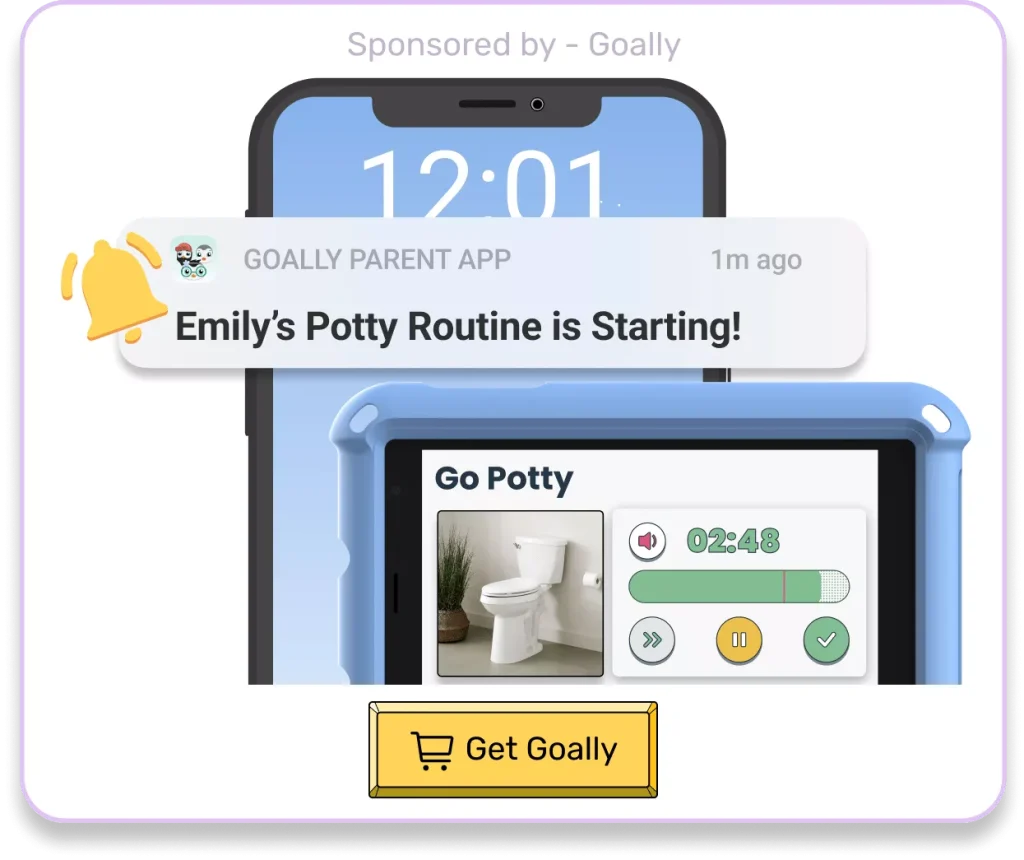
Does your child struggle with getting ready in the morning independently? Goally’s routine app on the best tablet for kids breaks down large tasks into small, achievable steps for autistic kids. Create custom routines with your own videos & pictures for every step.
As we draw this enlightening journey to a close, remember that understanding the signs of autism in toddlers is a crucial step towards providing the best support for your child. Whether it’s recognizing a lack of eye contact or a delay in interactive play, your awareness can make a world of difference. Remember, a diagnosis, often reliable by age 2, is not a label but a tool to better understand your child’s unique needs and strengths. So, keep observing, keep learning, and most importantly, keep loving your child just as they are. After all, every child’s journey is unique, and there’s no one-size-fits-all “autism toddler test.” But with knowledge, understanding, and patience, you’re already making a positive impact on your child’s life.
FAQ’s About Toddler Autism Test
What are some signs of autism in toddlers?
Signs can include avoiding eye contact, not responding to their name by 9 months, lack of facial expressions, or not engaging in simple interactive games by their first birthday.

At what age can autism be reliably diagnosed?
Autism can often be reliably diagnosed by an experienced professional by age 2, though many children don't receive a final diagnosis until later.

How can I support my toddler if they show signs of autism?
Providing a supportive environment, using learning tools like visual schedules and emotional regulation apps, and rewarding positive behavior can be beneficial.

What should I do if I suspect my toddler has autism?
If you suspect your toddler has autism, consult with a healthcare professional who can guide you through the process of diagnosis and treatment.

Is there a definitive test for autism in toddlers?
There's no definitive autism toddler test, but a combination of observations and professional evaluations can lead to a reliable diagnosis.
This post was originally published on 05/21/2023. It was updated on 02/19/2024.

Goally
We help parents teach their kids life skills, like doing bedtime and morning independently. Backed by science, we incorporate evidence-based practices and expert-informed designs in all of our apps and content.