Ever stumbled upon the term “social autism” and found yourself curious about its meaning? You’re in the right place! In this blog post, we’ll delve into social autism, its impact on neurodivergent kids, and how parents can support their child’s social development. We’ll also touch on the importance of understanding and embracing neurodiversity in our society. So, let’s get started!
Table of Contents
Understanding Social Autism
Social autism focuses on the challenges that some neurodivergent kids face in social situations. These challenges may include difficulties with communication, understanding social cues, and forming relationships. While all individuals with autism spectrum disorder (ASD) experience some level of social impairment, the term “social autism” emphasizes the specific social aspects of the condition.
Here are some common social challenges that neurodivergent kids might encounter:
Goally | Visual Scheduler for Autism

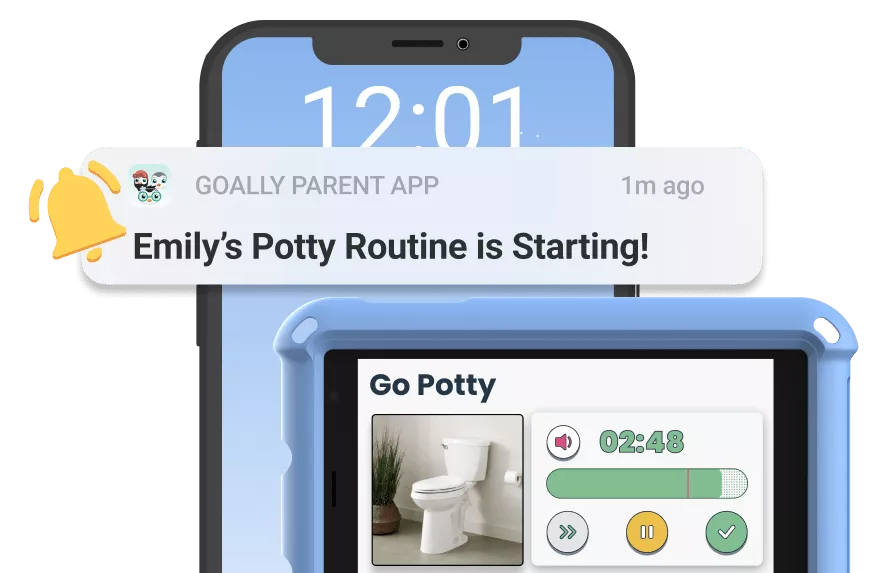
Does your child struggle with getting ready in the morning independently? Goally’s routine app on the best tablet for kids breaks down large tasks into small, achievable steps for autistic kids. Create custom routines with your own videos & pictures for every step.
- Difficulty making eye contact
- Struggling to understand nonverbal cues
- Challenges with initiating and maintaining conversations
- Difficulty forming and maintaining friendships
- Struggling to understand and express emotions
Strategies for Supporting Social Development
As a parent, you play a vital role in helping your neurodivergent child navigate the world of social interactions. Here are some practical ways to support their social development:
1. Encourage Social Opportunities

Read more: Is My Son on the Autism Spectrum?
Introduce your child to various social situations, such as playdates, group activities, and community events. This exposure will help them practice their social skills and build confidence in social settings.
Here are some ideas for social opportunities:
- Organize playdates with classmates or neighbors
- Enroll your child in clubs or after-school activities
- Participate in community events and gatherings
2. Teach Social Skills Explicitly
Break down social skills into smaller, manageable steps and teach them explicitly. For example, you can practice making eye contact, taking turns in conversation, and using appropriate greetings.
Some social skills to focus on include:
- Active listening
- Sharing and taking turns
- Expressing empathy and understanding
- Respecting personal boundaries
3. Use Visual Supports
Visual supports, such as social stories and visual schedules, can help kids with social autism understand social situations and expectations better. These tools can also assist in teaching new social skills and reinforcing existing ones.
Examples of visual supports:
- Social stories illustrating specific social situations
- Visual schedules outlining daily routines and activities
- Visual cues for emotions and feelings
4. Model Appropriate Social Behavior
As a parent, you are your child’s most influential role model. Demonstrate appropriate social behavior in your interactions with others, and discuss these behaviors with your child to help them understand the social norms.
Ways to model appropriate social behavior:
- Show respect and kindness to others
- Use polite language and manners
- Express emotions in a healthy and appropriate manner

Read more: Is ADHD Neurodivergent?
5. Collaborate with Professionals
Work closely with professionals, such as therapists, teachers, and support staff, to develop and implement strategies that address your child’s unique social needs. Regular communication and collaboration are essential for ensuring consistency and effectiveness in supporting your child’s social development.
Professionals to collaborate with:
- Speech and language therapists
- Occupational therapists
- Special education teachers
- Behavioral therapists
Embracing Neurodiversity
Understanding and embracing neurodiversity is crucial for creating an inclusive society that values and supports individuals with different thinking and learning styles. Neurodiversity acknowledges that there is no “normal” or “right” way to think, learn, or socialize. Instead, it recognizes the unique strengths and challenges that each person brings to the table.
Here are some benefits of embracing neurodiversity:
- Increased understanding and acceptance of differences
- Reduced stigma and discrimination
- Greater opportunities for individuals with diverse abilities
- Improved mental health and well-being for neurodivergent individuals
Goally | For Kids Who Hate Bedtime 😴😡

Final Thoughts on Social Autism
To wrap things up, social autism highlights the unique social challenges that some neurodivergent kids face. You can support your child’s social development by setting up opportunities for social interaction, teaching social skills explicitly, using visual supports, modeling appropriate social behavior, and collaborating with professionals. Embracing neurodiversity is vital for creating a more inclusive and supportive society for all individuals, regardless of their thinking and learning differences.
This post was originally published on 05/09/2023. It was updated on 09/08/2023.

Goally
We help parents teach their kids life skills, like doing bedtime and morning independently. Backed by science, we incorporate evidence-based practices and expert-informed designs in all of our apps and content.