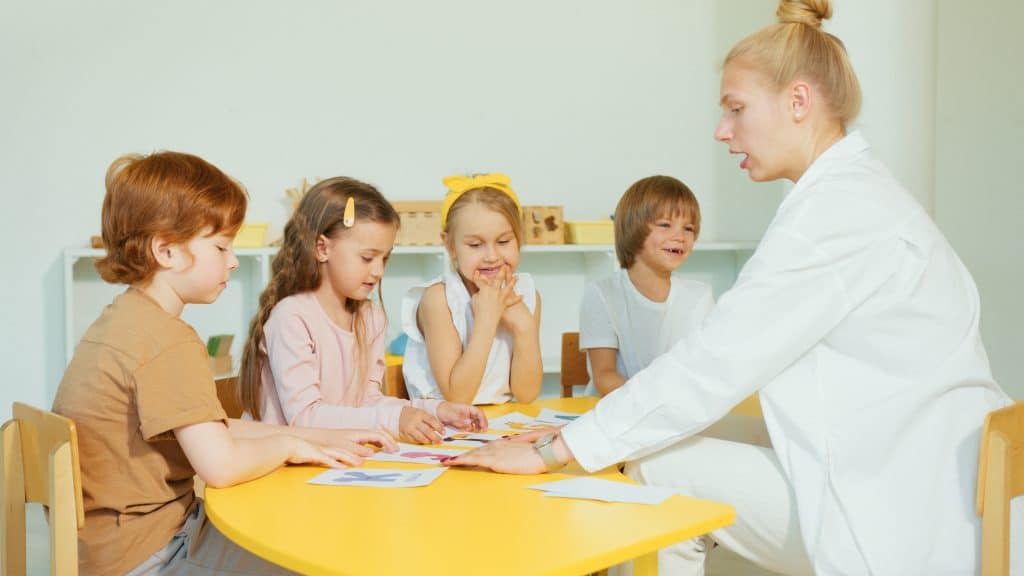
The first day of school can be a pivotal moment for your child, and as someone who works closely with kids, I witness this firsthand. This day provides a great opportunity to familiarize students with new teachers and classmates while understanding the school’s rules and expectations. Our activities range from orientation sessions where the children learn about school policies to engaging icebreakers and games that help them build connections. These early interactions set the tone for a positive and productive school year.
Table of Contents
1. Crafting a Visual Schedule
Let’s kick things off with a visual schedule. This handy tool can be a lifesaver for kids with autism. It’s like a roadmap for the day, helping them understand what’s coming next. This understanding can dial down anxiety levels and boost their independence. You can use pictures or symbols to represent different activities throughout the day. For example, a school bus for drop-off time, a book for reading sessions, or a paintbrush for art class.
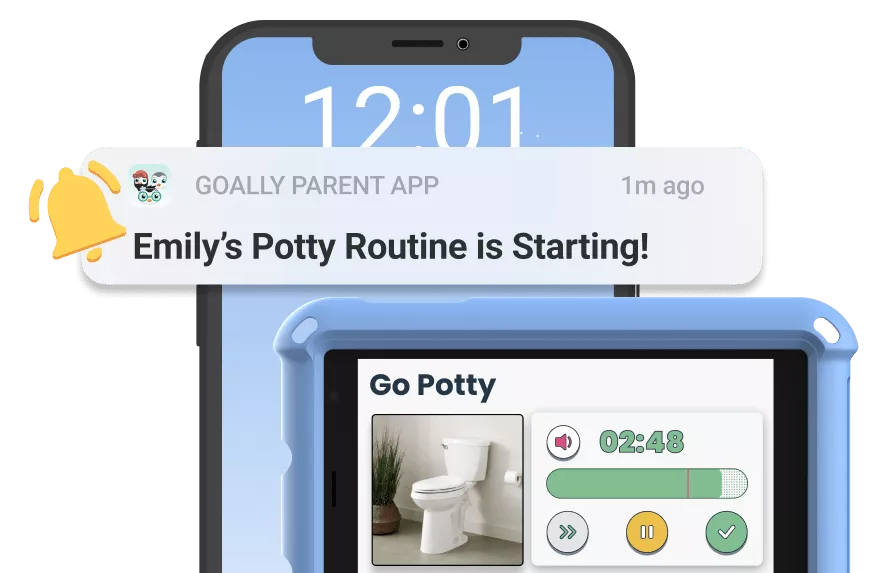
Here’s a tip: involve your child in creating this schedule. It’s a fun activity that makes the schedule more personal and engaging. Plus, it’s a great way to introduce Goally, a learning tablet designed for kids with thinking and learning differences. With Goally, you can create and manage visual schedules with ease.
2. Role-Playing Scenarios
Next up, we have role-playing. Think of it as a dress rehearsal for the first day of school. This activity allows your child to practice social interactions, routines, and transitions in a safe and familiar environment. You could role-play scenarios like saying hello to the teacher, sitting at a desk, or eating lunch in the cafeteria.
Role-playing can be even more effective with Goally. It’s not just a learning tablet; it’s a tool that helps kids practice and reinforce positive behaviors. So, why not use it to make role-playing more interactive and fun?
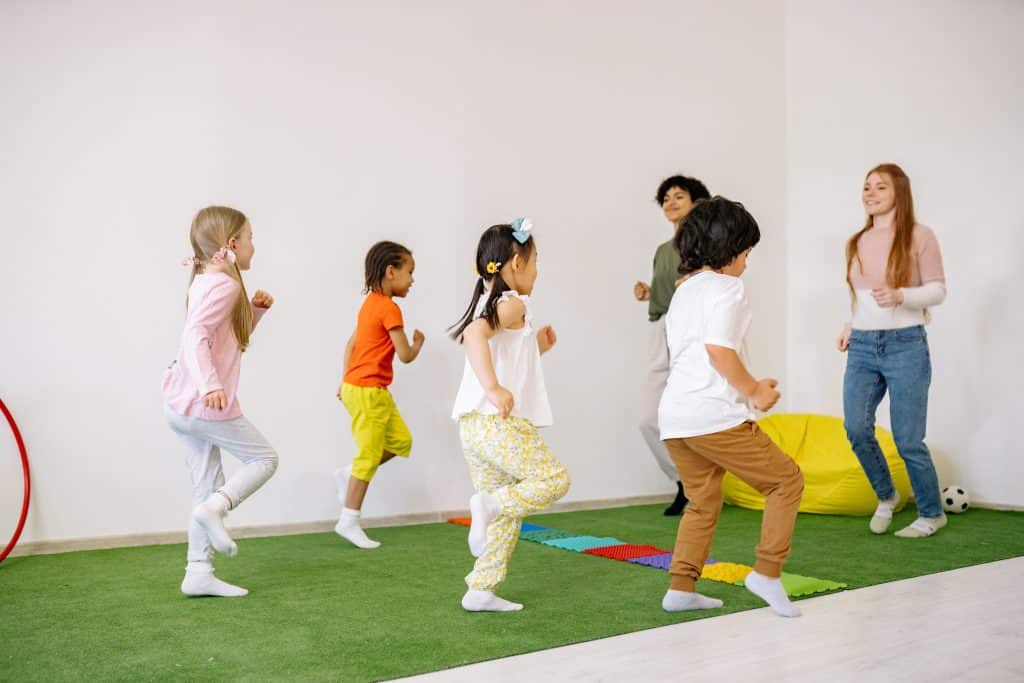
Read more: How to Prepare for School
3. Creating a ‘Get to Know Me’ Poster
Now, let’s get creative! Encourage your child to create a ‘Get to Know Me’ poster. It’s a canvas for them to express their individuality and interests. They can fill it with their favorite hobbies or family photos. This activity boosts their creativity and helps teachers and classmates understand and connect with your child better.
Here’s a quick list of things your child can include in their poster:
- Their name and age
- Favorite color, food, and animal
- Hobbies and interests
- Family members and pets
- Something unique about them
4. Reading a Story About School
Reading a school story can help your child understand what to expect and ease apprehensions. Choose a book that portrays school in a positive light, highlighting fun activities and new friendships. Discuss the story with your child afterward, answering any questions they might have.
Read more: 9 Read Aloud Books
Here are a few book suggestions:
| Book Title | Author |
|---|---|
| The Kissing Hand | Audrey Penn |
| First Day Jitters | Julie Danneberg |
| Chrysanthemum | Kevin Henkes |
5. Packing a Comfort Item
Last but not least, consider packing a comfort item in your child’s backpack. This could be a favorite toy, a family photo, or a small blanket. A comfort item can provide security during the first day of school. However, it’s important to first check the school’s policy on personal items.
Goally | 100+ Streaming Video Classes
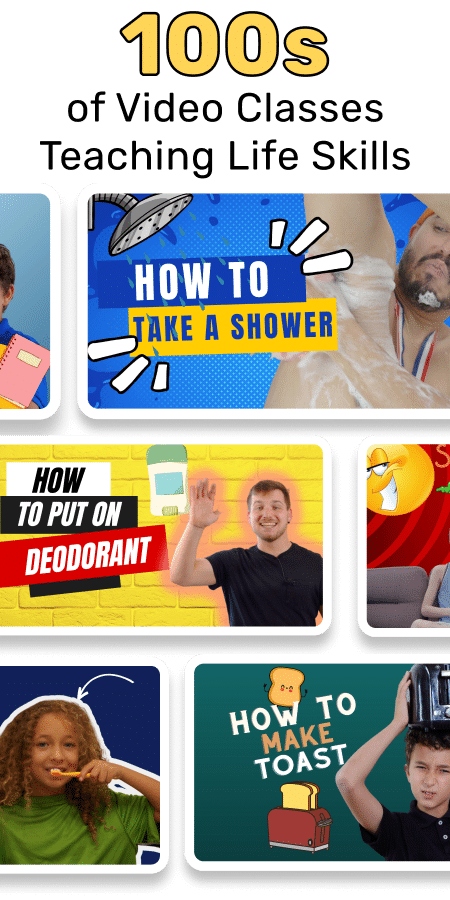
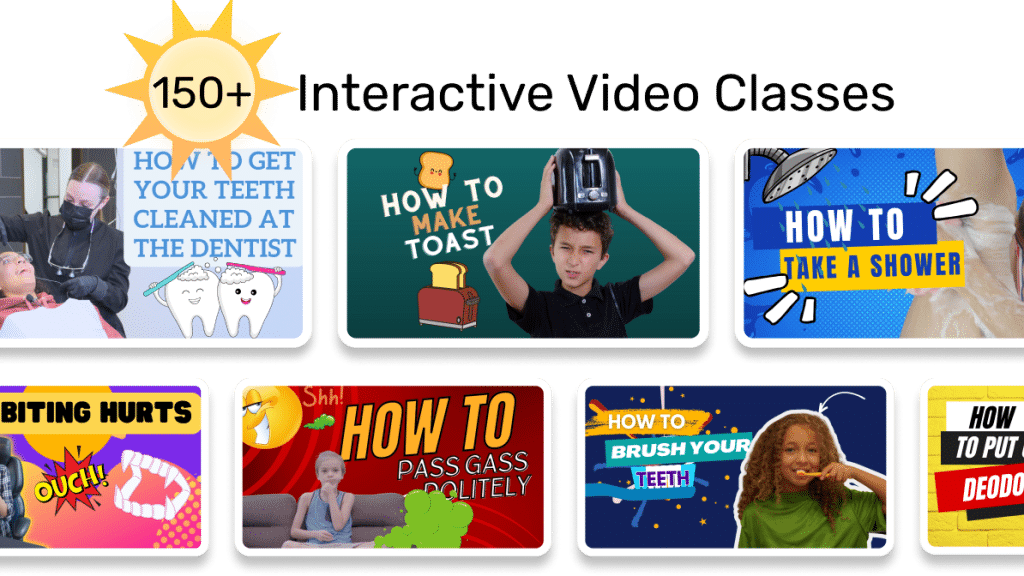
Does your child need some extra guidance on building essential life skills? Goally’s skill building tablet for kids includes a TV app that has the most robust video library of skills training videos for kids. Ranging from content like “How to Brush Your Teeth” to “How to Make Friends at School,” we have dozens of interactive video lessons for kids with thinking and learning differences.
HERE’s a video explaining how to works.
The first day of school activities are memorable for kids and parents. It’s a time for excitement, fresh starts, and a hint of anticipation. But with a little preparation and a positive attitude, you can help your child embrace their first day back to school with enthusiasm and confidence.
Resources:
FAQs about First Day of School Activities
What are some effective first day of school activities for students with autism?
Visual schedules and social stories can help students with autism understand and prepare for the day's events, reducing anxiety and providing a sense of predictability.

How can teachers help students with autism feel comfortable on the first day of school?
Teachers can create a welcoming environment by setting up a calm and structured classroom, offering sensory-friendly spaces, and introducing routines gradually.

Why is it important to use visual aids on the first day of school for students with autism?
Visual aids support comprehension and communication for students with autism, helping them to understand instructions and expectations clearly.

How can peers be involved in supporting students with autism on the first day of school?
Encouraging peer buddies or mentoring programs can promote social inclusion and provide students with autism with friendly support and modeling of appropriate behaviors.

What should teachers avoid on the first day of school for students with autism?
Avoid sudden changes in routine or environment, excessive sensory stimuli, and unstructured time, as these can increase anxiety and discomfort for students with autism.
This post was originally published on 07/20/2023. It was updated on 07/24/2024.

Goally
We help parents teach their kids life skills, like doing bedtime and morning independently. Backed by science, we incorporate evidence-based practices and expert-informed designs in all of our apps and content.