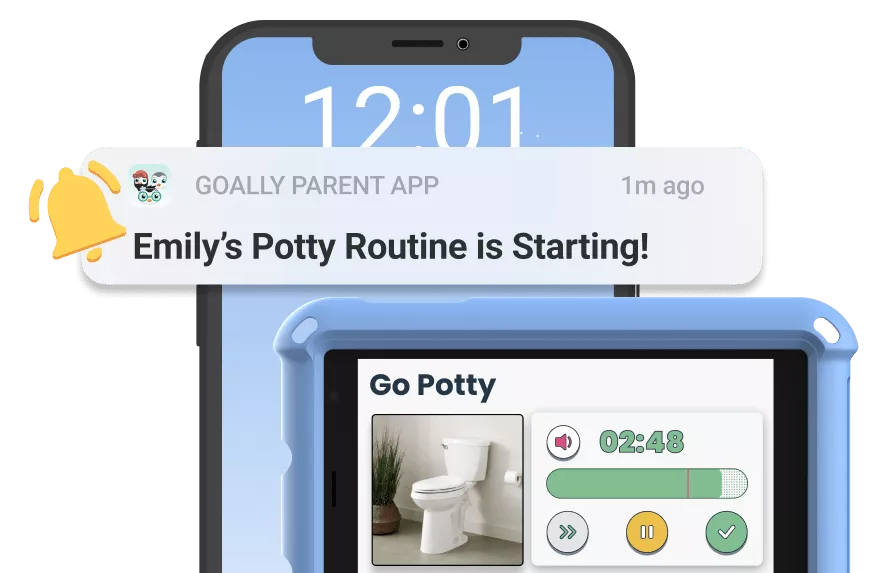
Has your neurodivergent child, while busy with their Goally learning tablet, ever baffled you with their inability to focus or excessive enthusiasm? They may go into ‘tunnel mode’ and ignore everything else during certain tasks. These traits aren’t just ‘kid behavior’- they might imply one of the forms of ADHD (Attention-Deficit/Hyperactivity Disorder). Incredibly enough, ADHD isn’t a one-size-fits-all diagnosis. The DSM-5 manual describes “7 types of ADHD”, each distinct in characteristics and challenges. This guide will guide you through these seven categories of ADHD.

Customize visual schedules that teach kids independence. No more nagging, no more stress.
Read more: ADHD Reward System for Kids
Table of Contents
A General Overview: Understanding ADHD
In simpler terms, ADHD impacts how kids manage impulses, execute tasks, and pay attention. But it’s not all black and white; instead, it is nuanced with unique subtypes. We’re starting by discussing three mainstream types before diving into four lesser-known ones – each presenting its own challenges.
- Predominantly Inattentive Presentation: If your child often seems lost in thought or has trouble adhering to instructions, this might be why.
- Predominantly Hyperactive-Impulsive Presentation: Characterized by unending restlessness and difficulty in waiting patiently– these signs could indicate this type.
- Combined Presentation: A mixed bag where children may display both inattentions as well as hyperactive tendencies collectively..

Read more: 3 Signs of ADHD in Babies
Digging Deeper: Less Discussed Types Explained
The categories above give us initial clarity but only scratch the surface. Four additional types are commonly overlooked in generalized discussions about ADHD yet form crucial components for a holistic understanding.
| Type | Symptoms (Examples) |
|---|---|
| Anxious ADHD: | Kids falling under this category may experience an overwhelming sense of fear due to anxiety-driven hyper-vigilance, which leads to perpetual worrying.. |
| Limbic ADHD: | This subtype manifests as chronic sadness coupled with persistent lethargy – elements that often lead such kids into social isolation.. |
| Inattentive ADD: | Kids under this respective category struggle to maintain attention span amidst the absence of hyperactivity – leading to misdiagnosis, particularly among girls. High alert parents! |
| Treatment-resistant ADD: | Represents those exceptional kids who do not respond effectively to conventional therapies; thus, more specialized therapeutic interventions become crucial. |
The behavior patterns showcased by your kid could fall under any or even multiple categories mentioned above.
What’s Next After Diagnosis?
Congratulations on making it this far! With a new understanding of the 7 types of ADHD, we now shift gears towards proactive actions aimed at shaping brighter days ahead for your child – especially when engaging their Goally learning tablet becomes a task. Your journey continues as you start to use effective strategies – from maintaining structured routines using tools like Goally tablets to practicing mindfulness exercises together.
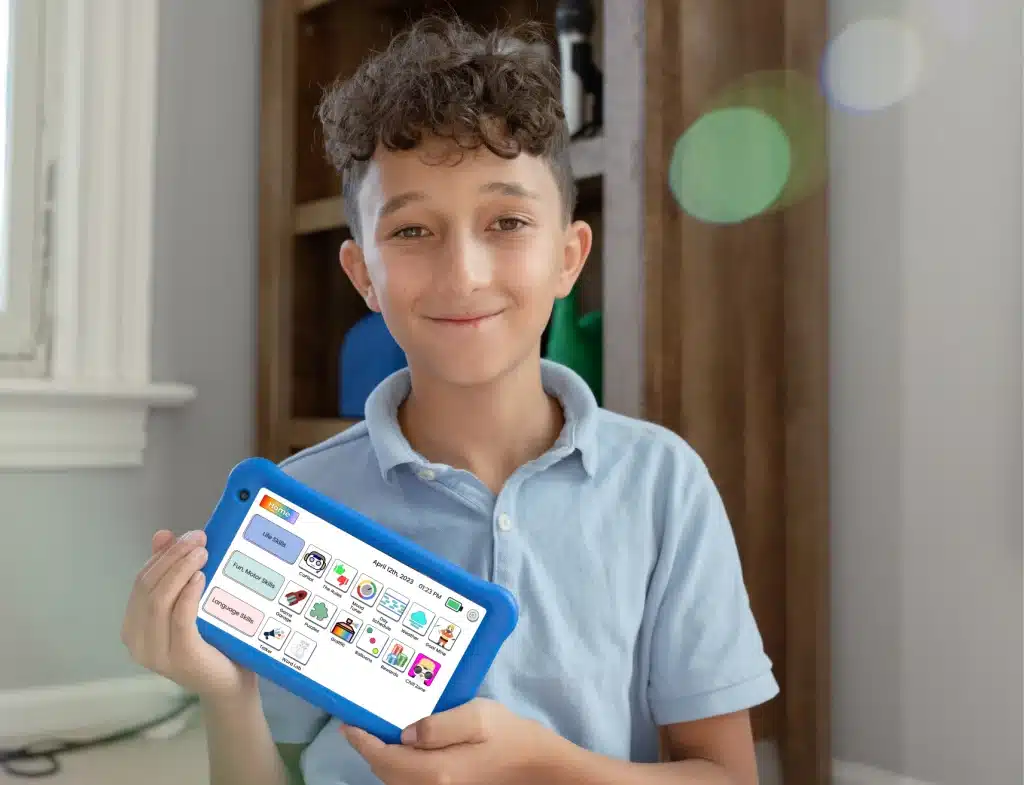
Give your kid an independent future. Goally has 15+ learning apps that teach life skills. There are NO web browsers, social media, or YouTube.
Our apps teach executive function, language, emotional regulation, finger dexterity skills, and more. It also 100+ video classes teaching social skills.
Sponsored by: Goally
"Goally has changed our lives. I no longer nag our son nonstop to complete basic tasks like getting ready for bed or cleaning his room!" — Bryna, Goally Mom
Get Goally →
With a comprehensive understanding of the ‘7 Types of ADHD’, you’ll be equipped to better comprehend and approach your child’s unique behavioral patterns with increased confidence. This knowledge is crucial as it doesn’t just help interpret and predict your child’s reactions, but also emphasizes their unique potential that extends beyond general labels.
FAQ’s About the 7 Types of ADHD
What are the 7 types of ADHD?
The 7 types of ADHD are Classic ADHD, Inattentive ADHD, Over-focused ADHD, Temporal Lobe ADHD, Limbic ADHD, Ring of Fire ADHD, and Anxious ADHD.

How can visual schedules help kids with ADHD?
Visual schedules can help kids with ADHD by providing structure, improving focus, and reducing anxiety.

How can emotional regulation apps help kids with ADHD?
Emotional regulation apps can help kids with ADHD understand and manage their emotions, improving their attention and behavior.

How do reward systems benefit kids with ADHD?
Reward systems encourage positive behavior by providing immediate feedback and reinforcing good habits.

How can understanding the 7 types of ADHD help a parent?
Knowing the 7 types of ADHD can help parents tailor strategies to their child's specific needs and nurture their unique potential.

Goally
We help parents teach their kids life skills, like doing bedtime and morning independently. Backed by science, we incorporate evidence-based practices and expert-informed designs in all of our apps and content.