Raising neurodivergent kids is like navigating a maze filled with winding twists and turns. Facing an ADHD emotional disconnect is one such challenge that can leave parents feeling baffled. In this post, we’ll delve deep into the world of ADHD emotional disconnect, exploring its causes, signs, and valuable techniques for overcoming it. Furthermore, we’ll provide resources to support you in your journey to establish a strong emotional connection with your child.
Table of Contents
What Causes the ADHD Emotional Disconnect?
The root of ADHD emotional disconnect lies in various factors. However, on the other hand, understanding these factors can pave the way for better connections with your child. Here are some primary contributors:
Executive Functioning Deficits
Kids with ADHD often experience challenges related to executive functions, the cognitive processes that govern organization, planning, and behavior regulation. Consequently, this can make it harder for them to comprehend and handle emotions effectively.
Emotional Regulation Struggles
Neurodivergent kids might have difficulty regulating their emotions. This struggle results in mood swings, impulsive reactions, and intense emotional responses, which can create an emotional disconnect.
Rejection Sensitivity
Children with ADHD tend to be extremely sensitive to perceived rejection or criticism. This hypersensitivity can contribute to feelings of disconnection and being misunderstood.

Read more: Are You Born With ADHD?
Identifying ADHD Emotional Disconnect
Parents should be well-equipped to recognize the signs of ADHD emotional disconnect in their child. Some common indicators include:
- Emotional outbursts or meltdowns triggered by minor incidents or unexpected changes in routine
- Difficulty empathizing with others
- Impulsive behavior without consideration of consequences
- Inability to express emotions
Understanding these signs paves the way to addressing and overcoming ADHD emotional disconnect.
Keys to Tackling ADHD Emotional Disconnect
Armed with this knowledge, let’s explore some actionable strategies to bridge the ADHD emotional disconnect gap with your child:
Promote Emotional Regulation Skills
1. Validate Emotions: Ensuring your child feels heard and understood is crucial. Encourage open communication by giving them space and opportunities to express their feelings.

2. Teach Coping Mechanisms: Introduce strategies for managing emotions, such as:
- Deep breathing techniques
- Grounding exercises
- Self-soothing activities
3. Encourage Problem-Solving: Guide your child through identifying emotions and their triggers and help them determine appropriate solutions.
Show Empathy and Understanding
- Be Emotionally Present: Make a genuine effort to understand and empathize with your child’s feelings.
- Be Patient: Give them time and space to process their emotions without rushing them.
- Model Appropriate Emotional Responses: Show healthy emotional expression and responses so your child can learn valuable emotional skills.
Boost Communication and Social Skills
- Establish Routines: Create structured daily routines to foster a sense of predictability and security for your child.
- Utilize Social Stories: Social stories can offer kids clear behavioral expectations, guiding them through various social situations.
- Seek Professional Help: If emotional disconnect persists, consider consulting a mental health professional specializing in ADHD and emotional regulation challenges.
Read More: Social Stories for Kids
Resources to Support Your Neurodivergent Child
Equipping yourself with resources is vital to help you and your child overcome ADHD emotional disconnect. We recommend exploring the following:
ADHD Parenting Workshops
These workshops offer practical strategies for managing ADHD-related challenges and help connect you with other parents dealing with similar issues.
Books on ADHD and Emotional Regulation
Numerous books provide valuable insights and guidance on ADHD emotional disconnect and can support your parenting journey.
Online Forums and Support Groups
Connecting with other parents of neurodivergent kids can provide a sense of community, encouragement, and shared experiences.
Goally | Kid’s Tablet for Building Emotional Regulation Skills
Is your child struggling with understanding and managing their emotions? Goally teaches emotional regulation skills in a fun and interactive way!
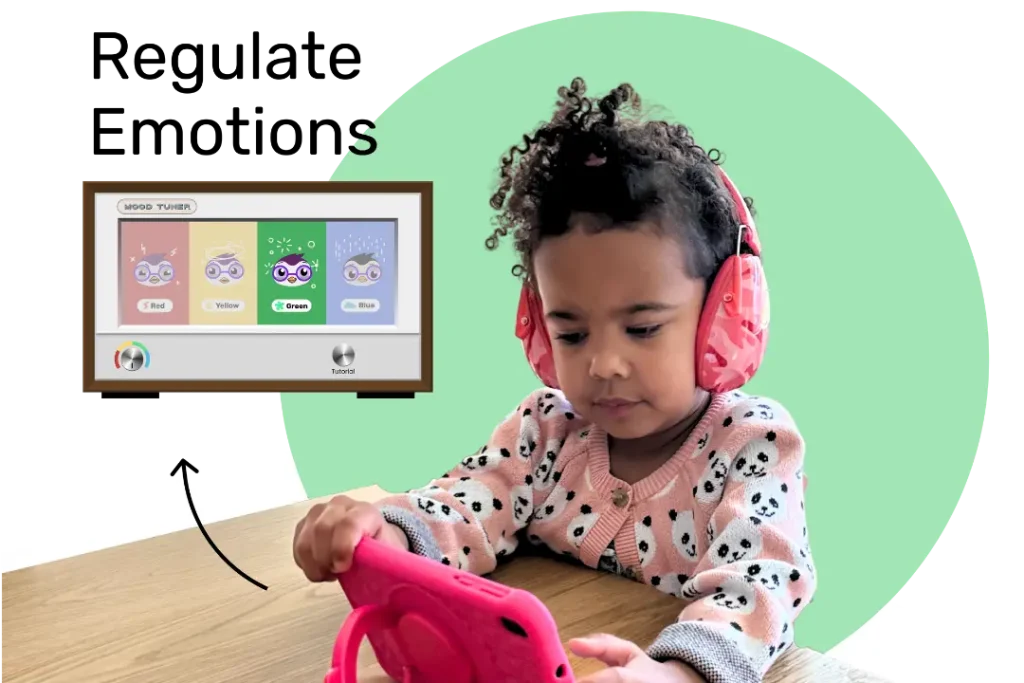
The Mood Tuner app encourages kids to look inwards and identify their feelings, helping them understand what’s going on inside. Once they’ve recognized their emotions, they can choose from a variety of exercises designed to help them self-regulate and find their balance.
In short, understanding the intricacies of ADHD emotional disconnect is critical to building a healthy emotional connection with your child. By employing effective strategies, showing empathy, and seeking relevant resources, you can seamlessly make your way through the emotional challenges that come with raising a neurodivergent child.
FAQs About ADHD Emotional Disconnect
What is ADHD emotional disconnect?
ADHD emotional disconnect arises when kids with ADHD struggle to understand, manage, and express emotions effectively, impacting their relationships.

What are the causes of ADHD emotional disconnect?
Causes include executive functioning deficits, emotional regulation challenges, and heightened rejection sensitivity, all common in kids with ADHD.

How can I recognize ADHD emotional disconnect in my child?
Signs include emotional outbursts, difficulty empathizing, impulsive behavior, and inability to express emotions appropriately.

How can I help my child overcome ADHD emotional disconnect?
Promote emotional regulation skills, show empathy and understanding, and boost communication and social skills through structured routines and social stories.

What resources are available for helping kids with ADHD emotional disconnect?
ADHD parenting workshops, books on ADHD and emotional regulation, and online forums and support groups are excellent resources to support your child.
This post was originally published on 06/05/2023. It was updated on 10/26/2023.

Goally
We help parents teach their kids life skills, like doing bedtime and morning independently. Backed by science, we incorporate evidence-based practices and expert-informed designs in all of our apps and content.