Imagine your child enjoying a peaceful day at home when suddenly, a loud noise like a vacuum cleaner or a dog barking outside causes them distress. For many neurodivergent kids, this is a daily challenge. Autism loud noises can be tough for both kids and parents. In this guide, we’ll explore why kids with autism may be sensitive to loud noises and share helpful tips to support your child in their noisy world.
Table of Contents
Why Are Kids with Autism Sensitive to Loud Noises?
Before we talk about solutions, let’s understand why kids with autism might be more sensitive to loud noises. This sensitivity, called hyperacusis, happens because their brains process sounds differently. This can make everyday noises feel too loud and overwhelming.
Goally | Visual Scheduler for Autism
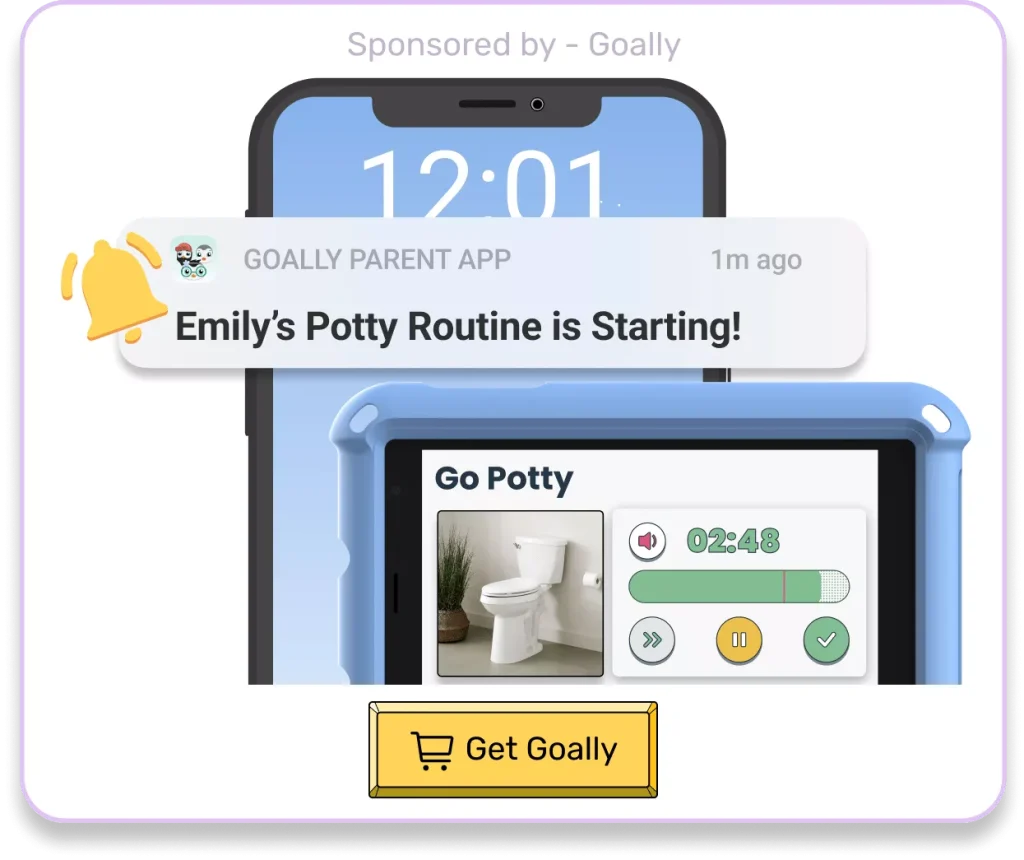
Does your child struggle with getting ready in the morning independently? Goally’s routine app on the best tablet for kids breaks down large tasks into small, achievable steps for autistic kids. Create custom routines with your own videos & pictures for every step.
There are a couple of reasons why kids with autism might have this sensitivity:
- Brain connections: Research shows that kids with autism have more connections in the part of the brain that processes sound, making them more sensitive to noise.
- Chemical imbalance: An imbalance in a brain chemical called GABA may also play a role in making kids with autism more sensitive to sound.
Signs Your Child Is Sensitive to Autism Loud Noises
It’s important to know the signs of sound sensitivity in your child. This can help you understand their needs and find the right strategies to help them. Here are some signs that your child may be struggling with autism loud noises:
- Covering their ears or avoiding noisy places
- Having meltdowns or feeling anxious when they hear certain sounds
- Having trouble focusing or sleeping because of background noise

Read more: Does My Kid Have Autism?
By recognizing these signs, you can better support your child and help them navigate their world with confidence.
Helpful Tips for Dealing with Autism Loud Noises
Now that we know why kids with autism may be sensitive to loud noises and how to spot the signs, let’s talk about some tips to help your child cope with autism loud noises.
1. Make a Quiet Space
Create a calm area in your home where your child can go when they feel overwhelmed by noise. This space should be quiet and have things that help them feel relaxed, like soft lighting, comfy seating, and sensory toys.
Having a designated quiet space can make a big difference in helping your child feel safe and in control when they need a break from the noise.
2. Slowly Get Used to Louder Sounds
Help your child get used to louder sounds by slowly exposing them to more noise. Start with quiet sounds and gradually make them louder. Make sure your child feels comfortable and in control during this process.
Gradual exposure can help your child build tolerance to louder sounds over time, making it easier for them to handle noisy situations.
3. Use Noise-Canceling Headphones
Noise-canceling headphones can be a big help for kids who are sensitive to sound. These headphones block out unwanted noise, letting your child focus on what they’re doing or enjoy some quiet time.
Investing in a quality pair of noise-canceling headphones can be a game-changer for your child, giving them the ability to better manage their environment.
4. Talk and Support
Encourage your child to talk about their feelings when it comes to loud noises. Let them know it’s okay to ask for help when they need it. Be there to support and reassure them as they learn to handle noise in their world.
Open communication and understanding can help your child feel more comfortable and confident in expressing their needs and seeking support.

Working with Schools and Caregivers
It’s important to work with your child’s school and caregivers to make sure they get the support they need in all environments. Here’s what you can do:
- Tell them about your child’s sensitivity to autism loud noises and any strategies that have worked at home.
- Ask for accommodations, like seating your child away from noisy areas or letting them use noise-canceling headphones in class.
- Keep communication open between your child, their teachers, and caregivers to address any concerns or challenges.
By collaborating with your child’s support network, you can help create a more inclusive and understanding environment for them.
Goally | For Kids Who Hate Bedtime 😴😡
Celebrate Your Child’s Unique Sensitivities
Dealing with autism loud noises can be tough, but remember that every child is unique, and their sensitivities are part of what makes them special. By understanding why your child is sensitive to sound and using helpful strategies, you can support them in a noisy world. Celebrate your child’s uniqueness and help them grow into confident, strong individuals who can thrive in any environment.
This post was originally published on 05/02/2023. It was updated on 06/27/2023.

Goally
We help parents teach their kids life skills, like doing bedtime and morning independently. Backed by science, we incorporate evidence-based practices and expert-informed designs in all of our apps and content.