We’ve all been there – you’re teaching a lesson, and suddenly, one of the kids starts acting out. Dealing with misbehavior in the classroom can be challenging, but with the right strategies, it becomes manageable. In this guide, I’ll share practical steps for handling a child misbehaving in school. Whether you’re a seasoned teacher or new to the profession, these tips will help you create a positive learning environment.
Table of Contents
1. Establish Clear Expectations and Consequences
The foundation of good classroom management starts with setting clear expectations. Here’s how to do it effectively:
- Create a set of classroom rules together with your students at the beginning of the year
- Make sure the rules are simple, specific, and age-appropriate
- Post the rules visibly in the classroom and review them regularly
- Clearly communicate consequences for breaking the rules
I’ve found that involving students in creating the rules gives them a sense of ownership and makes them more likely to follow them. For example, one of my classes came up with “Respect others and their belongings” as a key rule. When we had issues with students taking things without asking, I could refer back to this student-created rule, which carried more weight than if I had imposed it myself.
2. Build Positive Relationships with Students
Creating strong connections with your students is crucial for managing behavior. Here are some ways to build those relationships:
- Greet each student by name as they enter the classroom
- Take time to learn about their interests and hobbies
- Show genuine interest in their lives outside of school
- Celebrate their successes, both big and small
When you have a good relationship with a student, they’re more likely to want to please you and less likely to act out. I remember one student who was constantly disrupting class. After learning about his passion for basketball, I started chatting with him about recent games. This small connection made a world of difference in his behavior and engagement in class.
3. Use Positive Reinforcement
Focusing on good behavior can be more effective than constantly addressing misbehavior. Try these positive reinforcement techniques:
- Praise specific behaviors you want to see more of
- Use a token or point system to reward good behavior
- Implement a class-wide reward system for meeting behavior goals
- Send positive notes home to parents
I once had a class that struggled with talking out of turn. I started giving out “quiet coupons” to students who raised their hands and waited to be called on. These coupons could be redeemed for small privileges, like choosing a class game for Friday afternoons. The improvement in classroom behavior was remarkable!

Read More: Free Printable Behavior Charts for School
4. Identify the Root Cause of Misbehavior
When a child is acting out, there’s often an underlying reason. Take time to investigate:
- Observe patterns in when and where the misbehavior occurs
- Consider whether the child might be seeking attention or trying to avoid something
- Think about any recent changes in the child’s life that might be affecting their behavior
- Talk to the student privately to understand their perspective
I had a student who was constantly getting out of his seat and disrupting others. After observing closely, I realized he was struggling to see the board from his seat. A simple seat change solved the problem, and his behavior improved dramatically.
5. Use Non-Verbal Cues and Proximity
Sometimes, the most effective interventions are the quietest ones. Try these non-disruptive techniques:
- Make eye contact with a misbehaving student
- Use hand signals to redirect behavior
- Move closer to a student who’s acting out
- Tap on a student’s desk as a gentle reminder
These subtle cues can often redirect behavior without drawing attention to the student or interrupting the flow of the lesson. I’ve found that simply standing near a chatty group of students can quiet them down without saying a word.
6. Implement Classroom Management Techniques
Good classroom management can prevent many behavior issues before they start. Here are some effective strategies:
| Technique | Description | Benefits |
|---|---|---|
| Seating arrangements | Strategically place students to minimize distractions | Reduces talking, improves focus |
| Transitions | Use clear signals and routines for changing activities | Minimizes chaos and wasted time |
| Active engagement | Keep students involved with interactive lessons | Reduces boredom and off-task behavior |
| Brain breaks | Incorporate short movement activities between lessons | Improves focus and reduces fidgeting |
I’ve found that incorporating “brain breaks” – short, active breaks between lessons – has been particularly effective in my classroom. Even just two minutes of stretching or simple exercises can help students refocus and reduce disruptive behavior.
7. Use a Behavior Contract
For students with persistent behavior issues, a behavior contract can be a powerful tool:
- Work with the student to identify specific behaviors to improve
- Set clear, achievable goals
- Outline consequences for meeting or not meeting the goals
- Involve parents in creating and monitoring the contract
- Review and update the contract regularly
I had a student who was constantly calling out in class. We created a contract where he agreed to raise his hand at least 5 times a day before speaking. If he met this goal for a week, he earned extra computer time. This concrete goal and reward system helped him develop better classroom habits.
8. Teach and Practice Social Skills
Many behavior issues stem from a lack of social skills. Help your students develop these crucial abilities:
- Model appropriate social interactions
- Role-play different scenarios
- Teach conflict resolution strategies
- Practice active listening skills
In some of my previous classes, we have a weekly “social skills” lesson where we practice things like taking turns, sharing, and expressing feelings appropriately. These lessons have significantly reduced conflicts and improved overall classroom behavior.
9. Collaborate with Parents and Other Staff
Dealing with misbehavior is not a solo job. Build a support network:
- Communicate regularly with parents about their child’s behavior
- Work with school counselors or behavior specialists for additional support
- Consult with other teachers who work with the student
- Develop a consistent approach across all school settings
I’ve found that when parents, teachers, and support staff are all on the same page, we can make real progress with challenging behaviors. Regular team meetings to discuss strategies and progress have been incredibly helpful.
Read more: How Do You Deal With ADHD Meltdowns?
10. Use Natural and Logical Consequences
When misbehavior does occur, use consequences that are directly related to the action:
- If a student doesn’t complete work during class time, they finish it during recess
- If a student misuses materials, they lose the privilege of using them for a set time
- If a student is disruptive during group work, they complete the task independently
These consequences help students understand the direct impact of their choices. For example, I had a student who consistently left a mess at his desk. We implemented a rule that he couldn’t leave for lunch until his area was clean. It only took a few days of this for him to start cleaning up regularly.
11. Practice Self-Care and Stress Management
Dealing with challenging behavior can be emotionally draining. Take care of yourself:
- Develop a support network of fellow teachers
- Practice stress-relief techniques like deep breathing or meditation
- Set boundaries between work and personal life
- Seek professional development opportunities to build your skills
I’ve learned that when I’m calm and centered, I’m much better equipped to handle challenging behaviors in the classroom. Taking a few deep breaths before addressing a difficult situation can make a world of difference.
12. Celebrate Progress and Improvement
Recognizing and celebrating positive changes in behavior can reinforce good choices:
- Acknowledge small improvements in behavior
- Share successes with parents and other staff members
- Use visual trackers to show progress over time
- Plan special celebrations for meeting behavior goals
In my classroom, we have a “Behavior Brag Board” where students can post notes about their own or their classmates’ good choices. This public recognition has been a powerful motivator for positive behavior.
Goally | Apps That Build Behavior & Life Skills for Kids
Want to keep your child motivated while building essential behavior and life skills? Goally’s skill-building tablet is designed to celebrate small wins and help your child grow. Our Behavior Tracker helps you reward your kid for specific skills, like “being kind” or “flushing the toilet.”
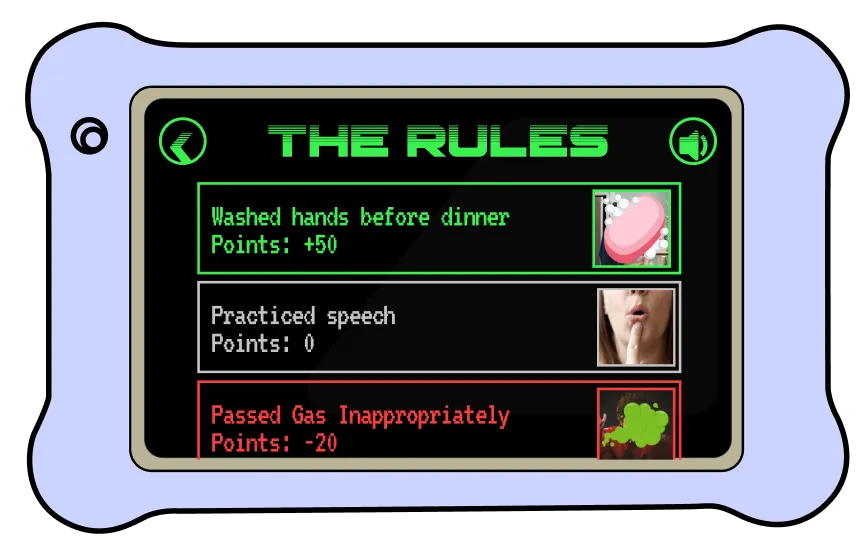
By setting clear expectations and rewarding their efforts, you foster a positive environment for your child to flourish in their behavioral skills journey.
Dealing with misbehavior in the classroom is an ongoing process that requires patience, consistency, and a toolbox of strategies. Remember, every child is unique, and what works for one may not work for another. The key is to approach each situation with empathy, creativity, and a commitment to helping every student succeed. By implementing these strategies and continually refining your approach, you can create a positive, productive learning environment where all students can thrive.
Resources:
- National Association for the Education of Young Children
- Council for Exceptional Children
- Positive Behavioral Interventions & Supports
FAQs About How to Deal With Your Child Misbehaving in School
How should I address my child's misbehavior in school?
Address the misbehavior calmly and privately, discuss the consequences, and work with the teacher to establish consistent expectations and consequences.
What can I do if my child refuses to cooperate with the teacher in school?
Foster open communication with the teacher, understand the underlying reasons for the behavior, and collaborate on strategies to promote cooperation.
How can I support my child's behavior in the classroom?
Establish a routine at home, reinforce positive behavior, provide clear expectations, and collaborate with the teacher on behavior management strategies.
What if my child's misbehavior is affecting their academic performance?
Seek assistance from the teacher, school counselor, or educational professionals to identify any underlying issues and develop a plan to support their academic progress.
Should I involve other professionals, such as therapists or counselors, for my child's misbehavior in school?
If the misbehavior persists or significantly impacts your child's well-being, consulting professionals such as therapists or counselors can provide additional guidance and support.

This post was originally published on 04/01/2023. It was updated on 07/13/2024.

Goally
We help parents teach their kids life skills, like doing bedtime and morning independently. Backed by science, we incorporate evidence-based practices and expert-informed designs in all of our apps and content.