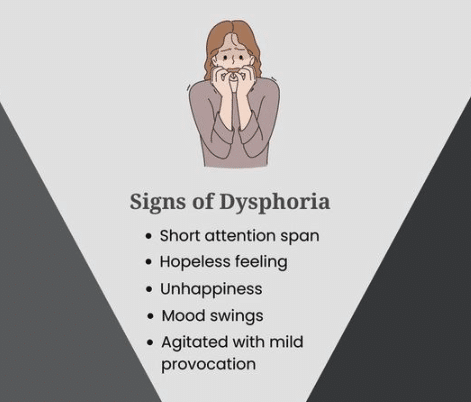
As someone who works closely with kids, I often encounter questions about understanding and identifying different types of dysphoria. It’s important for parents to recognize that dysphoria can manifest in various ways, each affecting children differently. This guide aims to offer clarity by breaking down the specific types of dysphoria and what they might look like in your child. Through this information, I hope you gain a deeper understanding of your child’s experiences and find ways to support them effectively.
Table of Contents
1. Gender Dysphoria
First on our list is gender dysphoria. It’s a term that’s been making rounds in the media, but what does it mean? Simply put, it’s a feeling of unease that can occur in people whose gender identity doesn’t match their sex assigned at birth. It’s like being in a body that doesn’t feel like your own.
For example, a child assigned male at birth might feel more comfortable identifying as female and vice versa. This can manifest in different ways, from a strong desire to be of another gender to a deep-seated discomfort with one’s own body. With Goally’s learning tablet, kids can explore educational resources that help them understand and articulate their feelings better.
2. Body Dysmorphic Disorder
Next, we have Body Dysmorphic Disorder (BDD). This is a type of dysphoria where a person becomes excessively worried about perceived flaws in their appearance. But here’s the catch – these perceived flaws are often minor or not even noticeable to others.
For instance, a child with BDD might spend hours checking their reflection, convinced that their nose is too big when, in reality, it’s perfectly proportionate. Goally’s apps can help kids with BDD learn coping strategies and build a healthier self-image.
Read more: How to Deal With Rejection Sensitive Dysphoria
3. Social Dysphoria
Thirdly, let’s talk about social dysphoria. This type of dysphoria is all about distress related to societal expectations and interactions. A child experiencing social dysphoria might feel uncomfortable with how they are perceived and treated by others, especially if these perceptions and treatments don’t align with their self-identity.
For example, a neurodivergent kid might feel distressed if they are constantly singled out or treated differently due to their thinking and learning differences. With Goally’s tools, kids can learn social skills and build confidence in their interactions.
4. Species Dysphoria
Species dysphoria, while less common, is indeed a thing. It refers to the distress a person feels due to a strong desire or belief that they are, or should be a non-human animal. Yes, you read that right.
For example, a child with species dysphoria might insist that they are a cat trapped in a human body, preferring to engage in feline behaviors and expressing discomfort at their human form. It’s a complex type of dysphoria that requires understanding and patience.
5. Dysphoria in Neurodivergent Kids
Lastly, it’s important to note that dysphoria can be particularly challenging for neurodivergent kids. These kids might struggle more with understanding and expressing their feelings, which can exacerbate the distress associated with dysphoria.
For instance, a kid with thinking and learning differences might have a hard time articulating their feelings of gender dysphoria, leading to heightened frustration and distress. Goally’s learning tablet and apps can provide these kids a safe and supportive platform to explore their feelings and learn coping strategies.
Goally | 100+ Streaming Video Classes
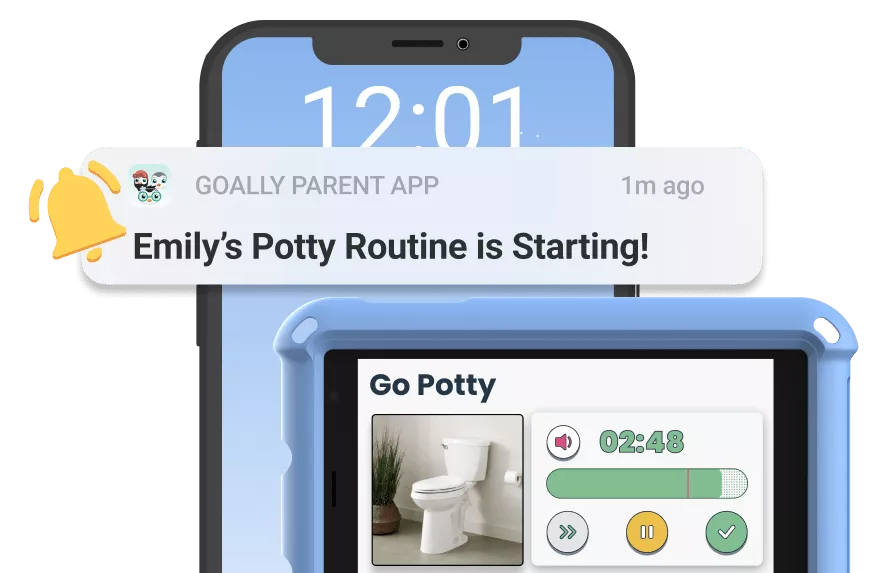
Does your child need some extra guidance on building essential life skills? Goally’s skill building tablet for kids includes a TV app that has the most robust video library of skills training videos for kids. Ranging from content like “How to Brush Your Teeth” to “How to Make Friends at School,” we have dozens of interactive video lessons for kids with thinking and learning differences.

HERE’s a video explaining how to works.
There you have it – an overview of different types of dysphoria. Embrace this journey with optimism and courage. You’re not alone. By learning about these types, you’re already making great strides in understanding and supporting your child. Most importantly, offer your child unconditional love and acceptance.
Resources:
FAQs about Types of Dysphoria
What is gender dysphoria?
Gender dysphoria is a condition where a person experiences distress because their gender identity differs from their assigned sex at birth. This distress can significantly impact daily functioning and mental health.

How is body dysmorphic disorder different from other types of dysphoria?
Body dysmorphic disorder (BDD) involves an obsessive focus on perceived flaws or defects in physical appearance, which are often unnoticeable to others. Unlike other dysphorias, BDD centers specifically on body image rather than gender or identity issues.

Can dysphoria be treated?
Yes, dysphoria can be treated with a combination of therapy, medication, and support. Treatment plans should be tailored to the individual's specific needs and type of dysphoria.

What are the symptoms of social dysphoria?
Social dysphoria involves discomfort or distress in social situations, often due to a mismatch between one's experienced gender and societal expectations. Symptoms can include anxiety, depression, and avoidance of social interactions.

Is dysphoria the same as depression?
While dysphoria can involve feelings of sadness or depression, it is specifically related to a disconnect between one's identity or body and their perception or societal expectations. Depression, on the other hand, is a broader mental health condition that can have various causes and manifestations.
This post was originally published on November 7, 2023. It was updated on July 18, 2024.

Goally
We help parents teach their kids life skills, like doing bedtime and morning independently. Backed by science, we incorporate evidence-based practices and expert-informed designs in all of our apps and content.
- Goally
- Goally
- Goally
- Goally
- Goally
- Goally
- Goally
- Goally
- Goally
- Goally
- Goally
- Goally
- Goally
- Goally
- Goally
- Goally
- Goally
- Goally
- Goally
- Goally
- Goally
- Goally
- Goally
- Goally
- Goally
- Goally
- Goally
- Goally
- Goally
- Goally
- Goally
- Goally
- Goally
- Goally
- Goally
- Goally
- Goally
- Goally
- Goally
- Goally
- Goally
- Goally
- Goally
- Goally
- Goally
- Goally
- Goally
- Goally
- Goally
- Goally
- Goally
- Goally
- Goally
- Goally
- Goally
- Goally
- Goally
- Goally
- Goally
- Goally
- Goally
- Goally
- Goally
- Goally
- Goally
- Goally
- Goally
- Goally
- Goally
- Goally
- Goally
- Goally
- Goally
- Goally
- Goally
- Goally
- Goally
- Goally
- Goally
- Goally
- Goally
- Goally
- Goally
- Goally
- Goally
- Goally
- Goally
- Goally
- Goally
- Goally
- Goally
- Goally
- Goally
- Goally
- Goally
- Goally
- Goally
- Goally
- Goally
- Goally
- Goally
- Goally
- Goally
- Goally
- Goally
- Goally
- Goally
- Goally
- Goally
- Goally
- Goally
- Goally
- Goally
- Goally
- Goally
- Goally
- Goally
- Goally
- Goally
- Goally
- Goally
- Goally
- Goally
- Goally
- Goally
- Goally
- Goally
- Goally
- Goally
- Goally
- Goally
- Goally
- Goally
- Goally
- Goally
- Goally
- Goally
- Goally
- Goally
- Goally
- Goally
- Goally