As a parent, you navigate an endless maze of questions, discoveries, and surprises. One of those puzzles might be the subtle signs of Asperger’s in your toddler. Recognizing these early clues can be the key to unlocking your child’s potential and providing the support they need to thrive. In this comprehensive guide, we’ll explore common signs of Asperger’s in toddlers and how our signs of Asperger’s in toddlers quiz can help you determine if your child may be on the autism spectrum.
Table of Contents
Understanding Asperger’s Syndrome
Asperger’s Syndrome, a form of autism spectrum disorder, is characterized by difficulties in social interaction, communication, and repetitive behaviors. While each child with Asperger’s is unique, there are some common traits that can help you identify if your little one may be neurodivergent.
- Delayed language development
- Difficulty making eye contact
- Intense focus on specific interests
- Poor coordination or motor skills
- Sensitivity to sensory stimuli
Goally | Visual Scheduler for Autism
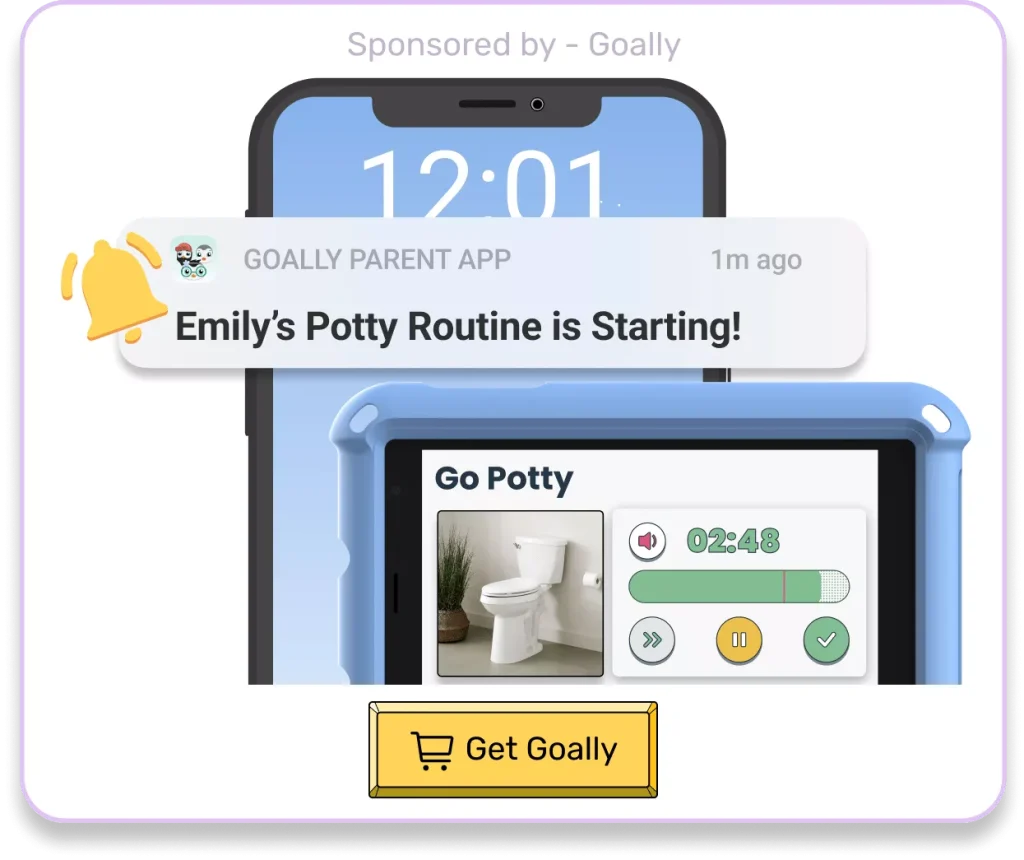
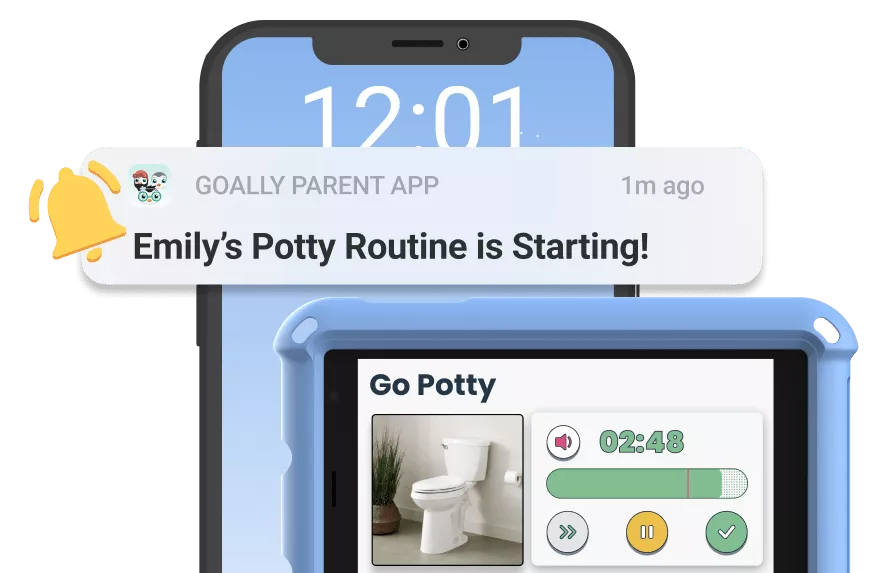
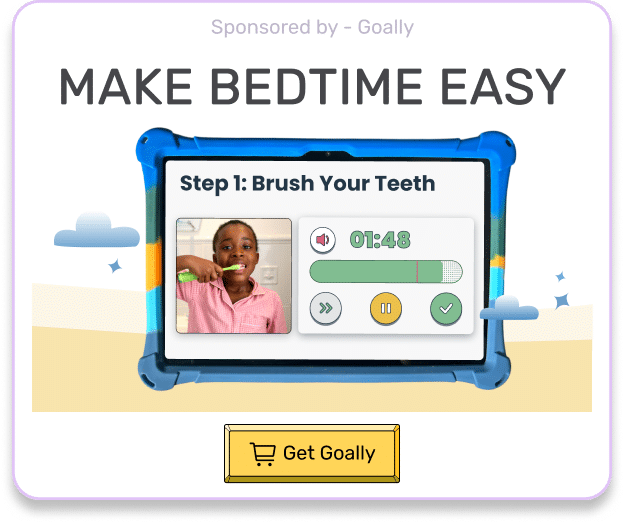
Does your child struggle with getting ready in the morning independently? Goally’s routine app on the best tablet for kids breaks down large tasks into small, achievable steps for autistic kids. Create custom routines with your own videos & pictures for every step.
It’s important to understand that Asperger’s falls on a wide spectrum, with each child experiencing differing levels of severity and a unique combination of traits. Early diagnosis and intervention can improve your child’s quality of life and help them develop essential life skills.
Spotting the Signs: Social Interaction and Communication
One of the most significant indicators of Asperger’s in toddlers is their struggle with social interaction and communication. These children may not engage in typical play with their peers or may have trouble initiating or maintaining conversations. They might exhibit:
- Limited facial expressions or flat affect
- A tendency to talk at people, rather than with them
- Difficulty understanding nonverbal cues
- Literal interpretation of language and difficulty with sarcasm or metaphors
Kids with Asperger’s might also find it challenging to form and maintain friendships. They may struggle with understanding social norms, empathizing with others, or sharing common interests with their peers. Consequently, building a strong support system and fostering social skills from an early age is crucial for these kids.

Read more: What is Aspergers Called Now?
Repetitive Behaviors and Rituals
Kids with Asperger’s often display repetitive behaviors, sometimes referred to as “stimming.” These behaviors provide comfort and can help them manage anxiety or sensory overload. They may include:
- Hand flapping or finger flicking
- Repeatedly lining up toys or objects
- Rocking back and forth
- Insistence on routines and rituals
It’s essential to recognize that these behaviors serve a purpose for the child, and attempts to suppress or eliminate them might cause increased anxiety or distress. Instead, work with your child to find alternative strategies or more socially acceptable ways to self-soothe when necessary.
Intense Interests and Talents
One positive aspect of Asperger’s in toddlers is their ability to develop intense interests and talents. These kids may become experts in a specific subject, exhibiting a remarkable depth of knowledge and focus. While this can be an asset, it can also lead to difficulties in social situations, as they may struggle to engage in conversations unrelated to their interests.
- Obsession with a particular topic or object
- Highly focused attention on tasks and activities
- Advanced problem-solving or pattern recognition skills
- Possible giftedness in areas such as math or music
Encouraging your child’s interests and talents can help them build self-esteem and develop a sense of accomplishment. However, it’s important to expose them to various topics and activities to broaden their horizons and improve their social skills.
Sensory Sensitivities
Many children with Asperger’s exhibit sensory sensitivities, which can significantly impact their daily lives. They may be hypersensitive or hyposensitive to sensory stimuli, such as sights, sounds, tastes, or textures. Common sensory sensitivities include:
- Aversion to loud noises or bright lights
- Discomfort with certain textures, such as clothing tags or seams
- Picky eating habits or strong food preferences
- Difficulty tolerating change in temperature or weather conditions
Understanding and accommodating your child’s sensory sensitivities can help reduce anxiety and meltdowns. This may involve creating a sensory-friendly environment at home, providing sensory breaks when necessary, and working with professionals to develop coping strategies.
Supporting Your Child’s Unique Journey

By understanding the signs of Asperger’s in toddlers and using tools like our quiz, you can better support your child’s unique journey. Early intervention and targeted therapies can help improve social skills, communication, and sensory processing, empowering them to reach their full potential.
Early Intervention and Therapies
Seeking professional help and implementing early intervention programs can significantly impact your child’s development. Some therapies that may be beneficial include:
- Applied Behavior Analysis (ABA)
- Occupational therapy
- Speech and language therapy
- Social skills training
- Sensory integration therapy
Working closely with your child’s healthcare team will help determine the most appropriate course of action and support for their unique needs.
Fostering a Supportive Environment
Creating a supportive and nurturing environment at home and in school can help your child feel secure and confident. This may involve:
- Establishing routines and clear expectations
- Providing visual supports and social stories
- Encouraging open communication and understanding
- Advocating for accommodations and support in school settings
Remember, every child is different, and their experience with Asperger’s will be unique. As a parent, your love, understanding, and advocacy will make all the difference in their success and happiness.
Goally | Apps To Support Child Development
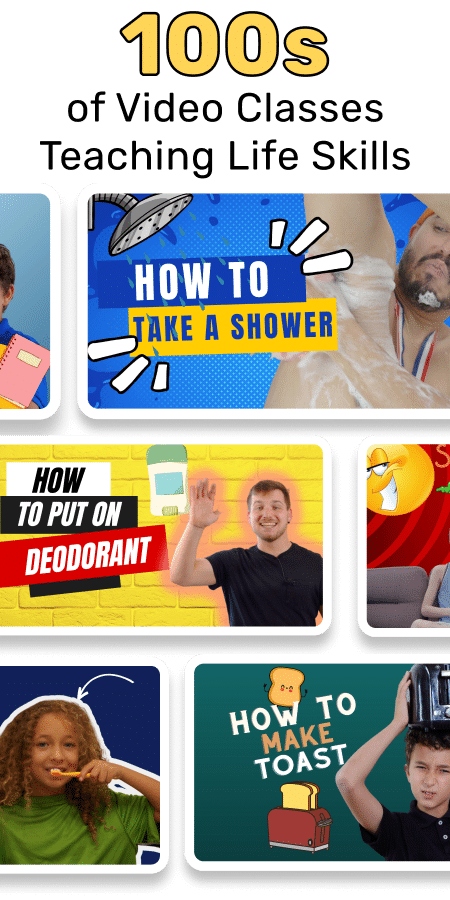
Looking for fun ways to help your child learn life skills? Try Goally! The Goally tablet comes with award-winning learning apps and video classes to help kids develop the skills they need to become independent with FUN & evidence-based practices.
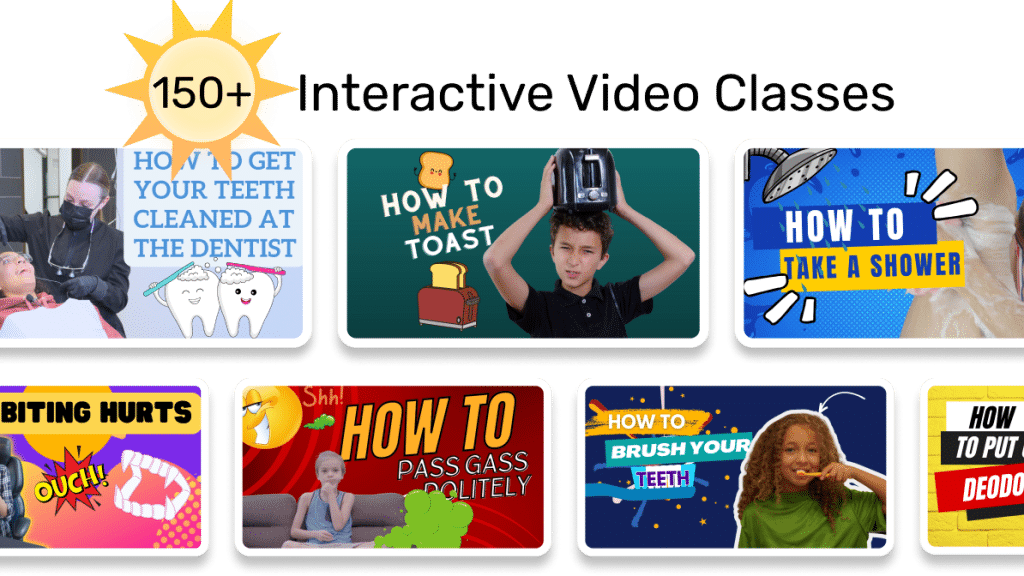
Our apps teach executive function, language, emotional regulation, finger dexterity skills, and more.
As your child develops new skills, you can increase the difficulty level of the tasks in the app to challenge and motivate them even further. This helps your child grow and progress at their own pace, while also keeping them engaged and excited about their development.
Early recognition of signs of Asperger’s in toddlers can be essential in providing support and understanding your child’s needs. By using resources like our signs of Asperger’s in toddlers quiz and gaining insights from professionals, you can create a loving and nurturing environment that empowers your child to embrace their unique strengths and overcome their challenges.
Parenting a child with Asperger’s may indeed present its own set of obstacles, but with patience, empathy, and dedication, you’ll uncover the remarkable potential within your little one. Equip yourself with knowledge, surround your family with support, and celebrate your child’s achievements, big and small.
This post was originally published on 05/06/2023. It was updated on 07/05/2023.

Goally
We help parents teach their kids life skills, like doing bedtime and morning independently. Backed by science, we incorporate evidence-based practices and expert-informed designs in all of our apps and content.