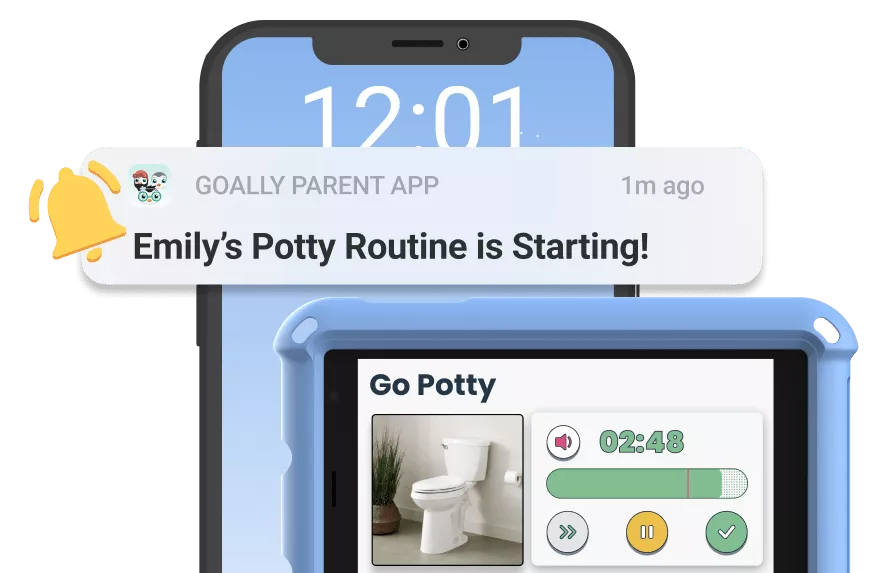
If your child seems to be constantly daydreaming, struggling to stay organized, or missing important details, you may wonder if they might have inattentive ADHD. While only a trained professional can provide a definite diagnosis, our 10-question inattentive ADHD test for your child can help start the conversation and provide guidance. In this blog post, we’ll provide useful tips and insights every parent should know when considering an inattentive ADHD test for their child. Moreover, we’ll dive into how to approach the challenges that neurodivergent kids may face daily. Let’s get started!
Table of Contents
The Importance of Identifying Inattentive ADHD
Recognizing the signs of inattentive ADHD in your child is crucial. Early intervention can make a significant difference in their life. With the appropriate support, kids with ADHD can overcome obstacles, manage their symptoms, and thrive in every aspect of life. Here’s what to consider:
- Understanding your child’s inattention better will help tailor their educational and environmental experiences.
- Seeking professional guidance is essential to attain accurate assessments and treatment options when needed.
- Exploring alternative approaches such as therapy or medication can vastly improve your child’s daily life.
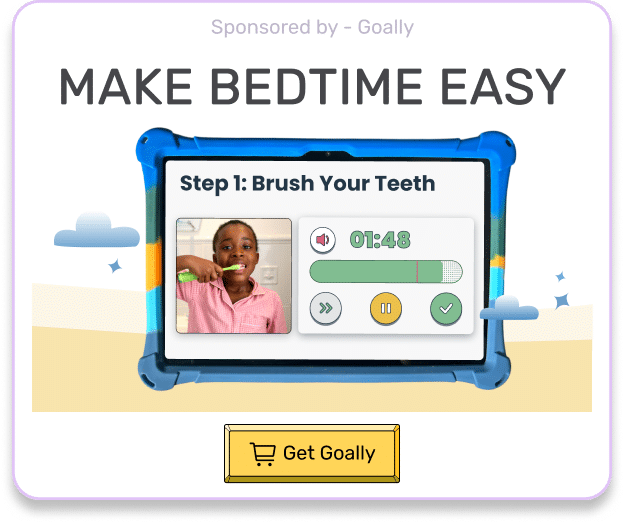
Customize visual schedules that teach kids independence. No more nagging, no more stress.
Common Symptoms of Inattentive ADHD in Child
Inattentive ADHD, unlike hyperactivity and impulsivity, is characterized by subtle symptoms that may not catch the attention of parents and teachers. For a comprehensive understanding, it’s essential to consider certain factors that could contribute to inattentiveness. Here are some common symptoms:
- Difficulty maintaining focus during tasks or play
- Trouble organizing tasks, belongings, or projects
- Often misses details or makes careless mistakes
- Difficulty completing schoolwork or routine tasks
- A tendency to lose track of belongings
- Forgetfulness, especially concerning daily routines, homework, or chores
- Appears not to listen when spoken to directly
What to Keep in Mind When Taking an Inattentive ADHD Test Child
While using our 10-question inattentive ADHD test for your child is useful, it’s essential to recognize that online assessments may not cover all aspects of a sound evaluation. They should be seen as useful starting points but cannot replace input from trained professionals. Think of these tests to guide your decision regarding professional evaluation and communication with your child’s teachers or specialists.
Inattentive ADHD Strategies for Parents and Caregivers
While obtaining a formal diagnosis is essential, there are several strategies parents and caregivers can adopt to help their child with inattentive ADHD. Here are some tips to consider:
- Create an organized and consistent daily routine to help them stay on track.
- Break tasks into smaller, manageable steps and provide clear instructions.
- Provide simple, visually appealing learning resources to encourage focus.
- Encourage regular exercise and outdoor activities to boost mental clarity.
- Promote positive reinforcement and rewards for a job well done.
- Reduce distractions by providing a quiet and clutter-free workspace.
- Teach prioritization and planning techniques for more effective time management.
- Encourage your child to express his or her thoughts and frustrations in a secure and accepting atmosphere.
- Encourage your child to join in extracurricular activities that cater to their abilities and interests to boost their self-esteem.
Educational Support and Accommodations for Kids with Inattentive ADHD
It’s crucial to prioritize your child’s education and collaborate closely with their teachers to develop effective approaches that cater to their unique needs. Several accommodations can be provided at school to boost their academic performance:
- Implement individualized education plans (IEPs) or 504 plans to tailor their learning experience.
- Utilize assistive technology, like audiobooks or speech recognition software, to support their learning.
- Provide additional time for assignments, exams, and in-class activities as needed.
- Offer preferential seating, closer to the teacher or in a less distracting classroom area.
- Ensure regular communication between parents, teachers, and specialists to track progress and address concerns.
Understanding and Encouraging Positive Parenting for Neurodivergent Kids

Read more: Does My Child Have ADHD?
As a parent, adopting a positive parenting approach is vital in building a strong relationship with your child. Here are some suggestions that can help:
- Focus on your child’s strengths, interests, and achievements rather than dwelling on their challenges.
- Maintain open communication and actively listen to their concerns and feelings.
- Encourage independence by allowing them to make choices and take responsibility within their capabilities.
- Set clear and realistic expectations, and provide constructive feedback for improvement.
- Show empathy and compassion, demonstrating your understanding of their struggles.
- Involve your child in family activities and decisions to foster a sense of belonging and self-worth.
- Stay patient and flexible; adapting to changing circumstances is a shared learning experience for you and your child.
The Power of Patience and Persistence
Parenting a child with inattentive ADHD can be challenging at times, but it’s essential to remain patient and persistent in providing them the support they need. Your love, understanding, and dedication play a vital role in nurturing their growth and helping them overcome obstacles. Remember, you’re not alone in this journey; there’s always help available for you and your child.
Resources for Parents and Caregivers
Besides taking the inattentive ADHD test child and seeking professional guidance, numerous resources are available to help you navigate this journey successfully. Books, websites, podcasts, and support groups can offer invaluable advice and information on ADHD and neurodiverse children. Here are some resources to get you started:
- Books: From informative guides to personal anecdotes, find a diverse range of books that cover inattentive ADHD and neurodiversity. These resources can provide insights and strategies for enhancing your child’s life.
- Websites: Various reputable websites offer a wealth of information on ADHD, support services, and parenting tips. Stay up to date with the latest research, and seek advice from professionals and experienced parents.
- Podcasts: Subscribe to podcasts focused on ADHD and neurodiversity, and listen to experts and parents discuss their experiences in a relatable and easy-to-digest format.
- Support Groups: Join local or online support groups that bring together parents and caregivers of neurodivergent kids, fostering a sense of community and understanding as you share experiences, advice, and support.
Try Goally For Your Child With ADHD
Goally is an excellent option for many families that have a child with ADHD. Use game play as a points-based motivator for your kiddo with ADHD, help them learn emotional regulation skills, and watch them grow! It’s simple to set up and has an expert-informed design.
Identifying inattentive ADHD early on is essential for supporting the child’s success. Professional guidance, proactive strategies, and useful resources like Goally’s learning tablet enable them to thrive and live their fullest lives. Remember to seek expert advice, build a support system, and remain empathetic to your child’s experiences in navigating the neurodivergent path! With patience, persistence, and suitable approaches, you and your child can work together to overcome the challenges of inattentive ADHD. Embrace the journey, be resourceful, and take pride in celebrating each milestone. Together, you can help your child sail confidently into a bright and promising future.
This post was originally published on 05/01/2023. It was updated on 08/10/2023.

Goally
We help parents teach their kids life skills, like doing bedtime and morning independently. Backed by science, we incorporate evidence-based practices and expert-informed designs in all of our apps and content.