As a parent of a neurodivergent child, you’ve likely been told that early intervention is crucial. But what about the years that follow? You might be asking yourself, “Does autism get worse after age 3?” In this blog post, we’ll debunk this myth, explore factors that influence autism progression, and provide actionable tips to support your child’s growth. So, let’s dive into some essential insights and helpful advice!
Table of Contents
Section 1: Debunking the Myth of Autism Worsening After Age 3
First and foremost, it’s important to recognize that autism is a spectrum disorder, meaning each child’s experience and progression will be unique. The notion that autism worsens after age 3 is a common misconception. The reality is autism is a lifelong condition, and its presentation may change over time due to various factors, such as:
- Developmental milestones
- Access to appropriate support and interventions
- Environmental factors
- Co-occurring conditions
However, these changes don’t necessarily mean that autism is “getting worse.” Instead, your child’s needs and abilities may evolve as they grow. In the next section, we’ll discuss the factors that can influence your child’s autism progression.
Goally | Visual Scheduler for Autism
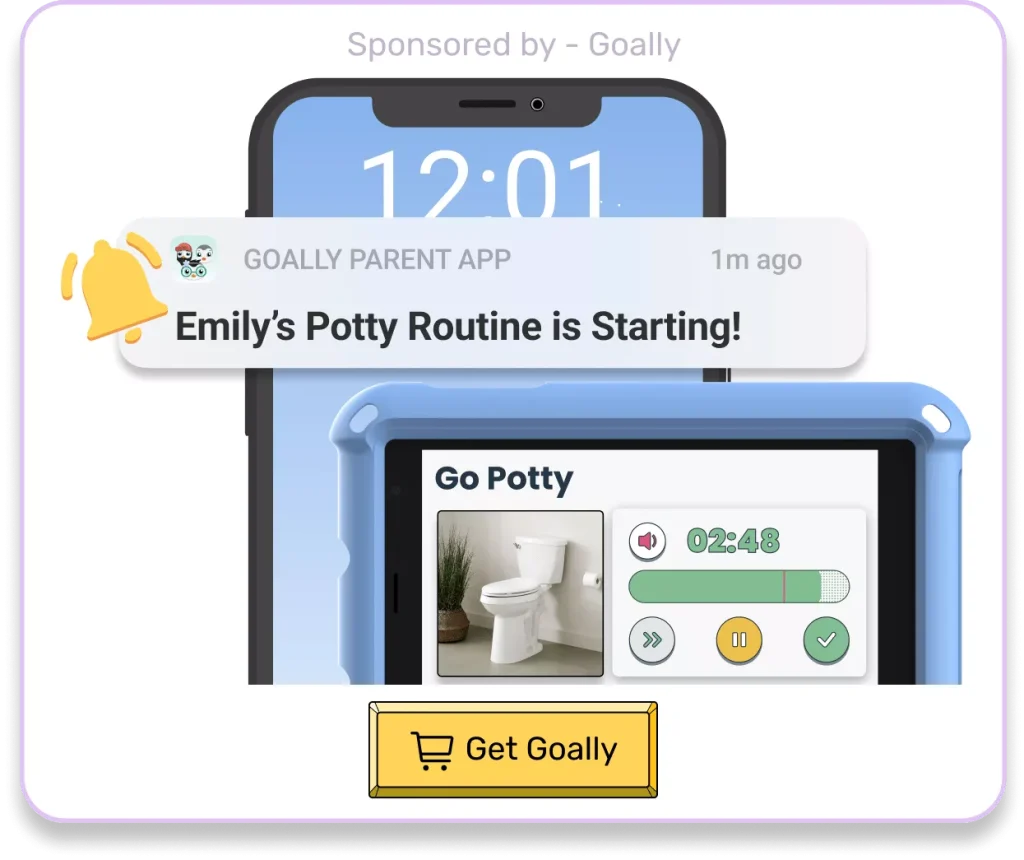
Does your child struggle with getting ready in the morning independently? Goally’s routine app on the best tablet for kids breaks down large tasks into small, achievable steps for autistic kids. Create custom routines with your own videos & pictures for every step.
Section 2: Factors That Influence Autism Progression
Several factors can impact how your child’s autism progresses over time. Understanding these factors can help you better support your child’s development. Some of these include:
1. Early intervention
Access to early intervention services, such as speech therapy, occupational therapy, and behavioral support, can significantly impact your child’s development. Goally’s learning tablet for kids is an excellent tool to support early intervention efforts, providing engaging and personalized learning experiences for your neurodivergent child.

Read More: 5 Early Intervention Programs
2. Family support
A supportive and understanding family environment can help your child thrive and develop essential skills. Encourage open communication and foster a loving atmosphere where your child feels safe and accepted.
3. Educational setting
A school that accommodates your child’s unique learning needs can play a significant role in their progress. Collaborate with educators to ensure your child receives the necessary accommodations and support.
4. Co-occurring conditions
Some neurodivergent kids may have additional diagnoses, such as ADHD or anxiety, which can impact their overall development. Be aware of these co-occurring conditions and work with professionals to address them effectively.
5. Social opportunities
Regular social interactions with peers can help your child develop essential communication and social skills. Create opportunities for your child to engage with others, both neurotypical and neurodivergent, in various settings.
By addressing these factors, you can help create an environment that fosters growth and development for your child.
Section 3: Supporting Your Child’s Growth After Age 3
To ensure your child continues to thrive, consider implementing the following strategies:
1. Maintain a consistent routine
Predictable routines can help reduce anxiety and provide a sense of stability for your child. Goally’s learning tablet for kids can assist in establishing and maintaining daily routines, making it easier for your child to navigate their day.
2. Encourage social interactions
Provide opportunities for your kid to engage with peers, both neurotypical and neurodivergent, to develop social skills and build friendships. This can include playdates, extracurricular activities, or community events.

Read more: Child Autism Test
3. Collaborate with professionals
Work closely with your child’s therapists, teachers, and other professionals to create a comprehensive support plan. Regular communication and collaboration are key to ensuring your child receives the best possible care.
4. Foster independence
Encourage your child to develop self-help skills and take on age-appropriate responsibilities. This can include tasks such as getting dressed, preparing simple meals, or completing chores.
5. Stay informed
Keep up-to-date with the latest research and resources to support your child’s growth and development. Knowledge is power, and staying informed can help you make the best decisions for your kid’s well-being.
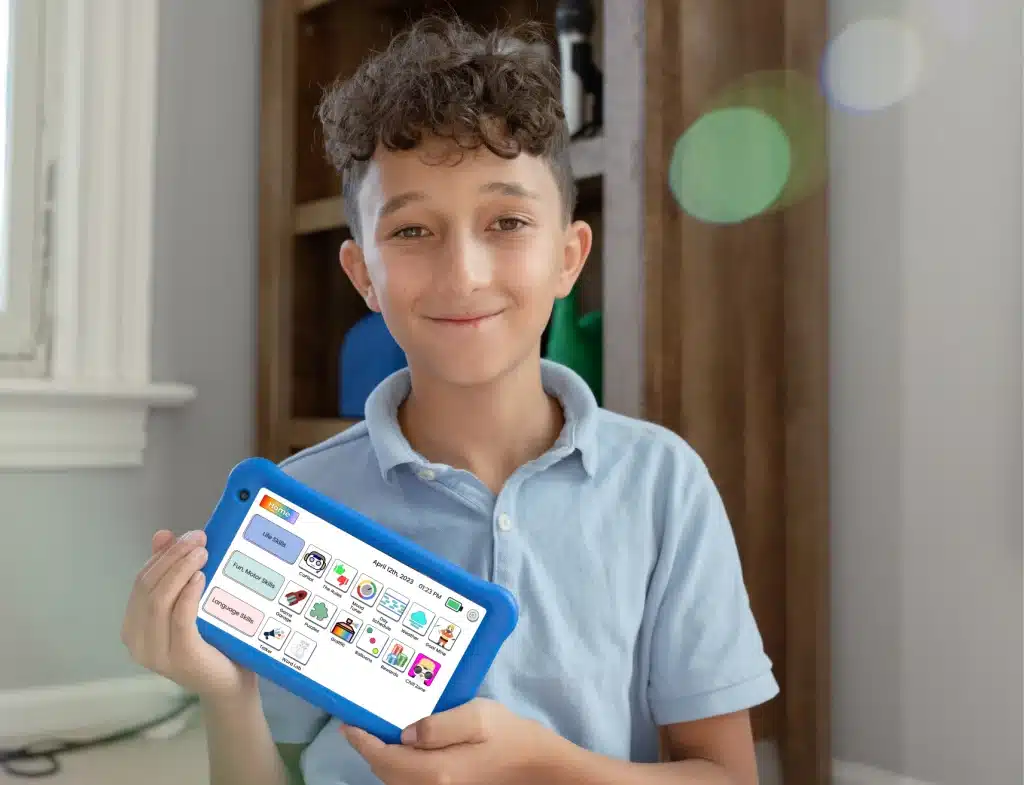
Give your kid an independent future. Goally has 15+ learning apps that teach life skills. There are NO web browsers, social media, or YouTube.
Our apps teach executive function, language, emotional regulation, finger dexterity skills, and more. It also 100+ video classes teaching social skills.
In short, while it’s natural to worry about your child’s future, it’s important to remember that autism does not inherently worsen after age 3. By understanding the factors that influence your child’s development and implementing supportive strategies, you can help your neurodivergent child thrive throughout their life.
This post was originally published on 06/02/2023. It was updated on 08/09/2023.

Goally
We help parents teach their kids life skills, like doing bedtime and morning independently. Backed by science, we incorporate evidence-based practices and expert-informed designs in all of our apps and content.