When it comes to understanding your child’s unique mind, the key lies in unraveling the complexities of their memory system. Think of memory as an intricate puzzle, with each piece holding valuable insights about your neurodivergent child’s learning and growth. In this guide, we’ll explore the three types of long-term memory, how they impact learning and behavior, and offer practical tips to support your child’s memory development.
Table of Contents
SPONSORED BY: Goally
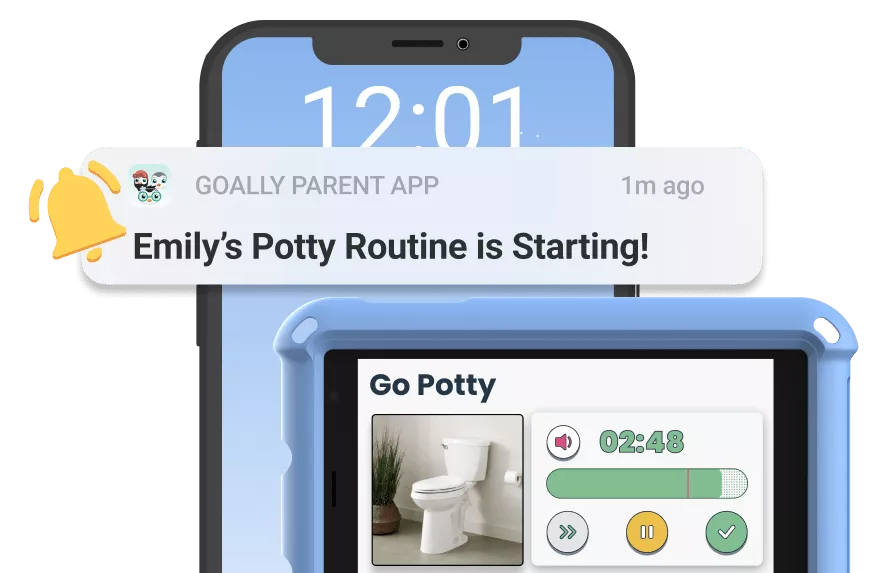
Goally’s Kid’s Tablet has one of the largest libraries of skill-building videos (like “How to Share” and “What To Do When You’re Lost”) in the Goal Mine app.👇

Discovering the Types of Long-Term Memory
Long-term memory is like a vast storage unit where information is kept for extended periods. However, not all stored data is the same. There are three primary types of long-term memory, each playing a unique role in your child’s life:
- Episodic memory
- Semantic memory
- Procedural memory
Let’s dive deeper into each type, and see how they influence your child’s experiences and learning.
1. Episodic Memory: A Stroll Down Memory Lane
Think of episodic memory as your child’s personal photo album, filled with snapshots of specific events and experiences. It allows them to remember their first day of school or a fun family vacation. These memories are time-stamped and linked to emotions, making them unique to the individual.
For neurodivergent kids, episodic memory can be a double-edged sword. They might have an incredible ability to recall details from past events, but may struggle with organizing and managing these memories efficiently. As a parent, you can support your child by:
- Helping them establish routines
- Using visual aids and cues
- Engaging in memory-enhancing activities
2. Semantic Memory: The World of Facts and Knowledge
Semantic memory is like a vast library filled with general knowledge. It includes facts, concepts, and ideas that aren’t connected to specific personal experiences. For instance, knowing that apples are fruits or understanding the concept of gravity are examples of semantic memory.
Kids with thinking and learning differences may face challenges in building and accessing their semantic memory. To help your child, you can:
- Use multisensory teaching methods
- Provide opportunities for repetition and practice
- Create a structured learning environment

Read more: Memory Games for Kids
3. Procedural Memory: The Art of “How-to”
Procedural memory is the “know-how” behind our actions, responsible for motor skills and habits. From tying shoelaces to riding a bike, procedural memory allows your child to perform tasks without conscious thought.
Neurodivergent kids may have difficulties developing and retaining procedural memory. To support them, you can:
- Break tasks into smaller steps
- Use visual cues and reminders
- Encourage practice in different settings
Why Memory Matters: Connecting the Dots Between Memory and Learning
Understanding the types of long-term memory is essential because they impact your child’s learning and behavior in numerous ways. Here’s a quick breakdown:
| Area | Impact |
|---|---|
| Academic achievement | Efficient memory processes contribute to better comprehension, problem-solving, and overall academic performance. |
| Emotional regulation | The ability to recall past experiences and emotions helps your child navigate social situations and manage feelings effectively. |
| Executive functioning | Memory plays a vital role in executive functions like planning, organizing, and self-monitoring, which are essential skills for success in school and everyday life. |
By recognizing your child’s memory strengths and challenges, you can tailor strategies and interventions to support their unique needs.
Boosting Memory: Practical Tips and Strategies
As a parent, you have the power to help your child enhance their memory potential. Here are some practical tips and strategies:
- Establish routines: Consistent routines create a stable environment and reduce the cognitive load on your child’s memory.
- Use visual aids: Visual reminders, like charts and schedules, can reinforce memory and support organization.
- Encourage repetition and practice: Repetition strengthens memory connections, so provide opportunities for your child to review and practice new skills.
- Focus on multisensory learning: Engaging multiple senses boosts memory retention and makes learning more enjoyable.
- Create a supportive environment: A positive, nurturing atmosphere fosters confidence and motivation, which in turn boosts memory performance.
Goally | For Kids Who Hate Bedtime 😴😡

With the knowledge of the types of long-term memory and these practical strategies, you’re now ready to support your child’s memory development and unlock their full potential. Remember, every child is unique, and understanding their memory abilities can make a world of difference in helping them thrive.
This post was originally published on 05/14/2023. It was updated on 07/24/2023.

Goally
We help parents teach their kids life skills, like doing bedtime and morning independently. Backed by science, we incorporate evidence-based practices and expert-informed designs in all of our apps and content.