Autism spectrum disorder (ASD) is a developmental disorder that can cause significant social, communication, and behavioral challenges. While there is no one-size-fits-all test for ASD, there are a number of screening tools that can help parents and healthcare providers identify children who may be at risk for the disorder. Check out our autism spectrum test for toddlers below.
Table of Contents
Identifying Autism in Toddlers
Early diagnosis and intervention play a crucial role in a child’s development, but recognizing the signs of autism can be challenging. To aid your understanding, here are some common indicators:
- Difficulty with eye contact and social interaction
- Atypical language development, like delayed speech or repetitive phrases
- Resistance to change in routine, preference for sameness
- Unusual sensory interests or aversions, e.g., preferring certain textures, disliking loud noises
- Repetitive behaviors or intense interests in specific subjects
Remember that every child is unique and may exhibit variations in these behaviors, so thorough assessment and professional consultation are essential. Check out the autism spectrum test toddlers below.
Seeking Expert Assistance
Navigating the path to understanding if your child is on the autism spectrum can be an intricate journey. It generally involves a mix of seasoned professionals such as psychologists, pediatricians, and speech and language therapists. These experts utilize well-recognized assessment tools, like the Autism Diagnostic Observation Schedule (ADOS), to gain comprehensive insights into your child’s developmental stages and characteristics.
If your worries are kindled by an autism spectrum test toddler, don’t hesitate to seek counsel from these specialists. An early and accurate understanding can significantly shape the journey, unlocking doors to early intervention and specialized support services, making a substantial difference in your child’s life. It’s all about ensuring your child has the proper support to flourish in their unique way! Plus, if you’re searching for supportive resources, Goally is teeming with helpful advice and tools, ready to assist you and your little one on this journey!
Exploring the Spectrum: Understanding Autism and Its Various Manifestations
The name “autism spectrum disorder” captures the wide range of experiences and abilities individuals with autism can possess. ASD includes:
- Asperger’s Syndrome: People with Asperger’s often exhibit social communication challenges and repetitive behaviors but may not experience significant delays in language or cognitive abilities.
- Childhood Disintegrative Disorder: Toddlers with this rare syndrome generally begin to lose skills in areas such as language, socializing, and motor abilities.
- Pervasive Developmental Disorder – Not Otherwise Specified (PDD-NOS): This category refers to individuals who exhibit some characteristics of autism but do not meet the full criteria for a specific diagnosis.
Remember, it’s essential to approach each child with empathy, understanding, and openness to their unique qualities.

Choosing the Right Support for Your Child
Once your child receives a diagnosis, exploring appropriate therapies and interventions is crucial. Some of the most common approaches include:
- Applied Behavior Analysis (ABA): A data-driven, personalized approach that teaches desired behaviors and helps reduce problematic ones.
- Speech and Language Therapy: Targeting language and communication skills to foster socialization and independence.
- Occupational Therapy: Addressing sensory, motor, and adaptive skills to improve overall functioning.
- Social Skills Training: Building essential skills for successful social interactions and emotional regulation.
Collaborate with your child’s team of experts to determine the most suitable interventions based on their unique needs and goals.
Creating a Nurturing Environment for Your Neurodivergent Child
Your role as a caregiver to a neurodivergent child involves continuous learning, advocacy, and creating the best environment for your child to thrive. Consider these strategies:
- Work closely with qualified professionals, such as therapists and educators, to develop individualized plans for your child.
- Promote social interaction through playdates or support groups to foster your child’s social skills.
- Establish predictable routines and clear expectations for your child, providing visual aids when needed.
- Explore a variety of sensory tools that cater to your child’s unique needs and preferences.
- Encourage your child’s strengths and interests while adapting to their abilities.
While supporting your child’s development is essential, remember to also take care of yourself and find a community of support for your own well-being.

Read More: How to Help a Child With a Learning Disability
Connecting with Fellow Parents and Caregivers
Connecting with others who understand your family’s journey can provide much-needed emotional and practical support. Seek parent support groups, online forums, or social media communities to share experiences, advice, and resources with families facing similar challenges. This network can prove invaluable in sustaining your own mental and emotional well-being as you care for your child.
Advocating for Your Child’s Education and Rights
One of your most critical roles as a caregiver is to advocate for your child’s educational needs and ensure they have access to the services they require. Collaborate with your child’s school to develop and implement an Individualized Education Program (IEP). THE IEP outlines specific goals, services, and accommodations tailored to your child’s unique learning profile. Stay informed about your child’s rights, and engage outside resources, like special education advocates or organizations, when necessary.
Celebrating Your Child’s Unique Journey
Different isn’t deficient. Embracing your child’s neurodivergence means valuing their unique qualities and ensuring they feel accepted and cherished. It’s vital to celebrate their accomplishments and milestones, no matter how small. Be sure to also remain an unwavering source of support throughout their journey.
As you venture forward with your child, trust your instincts and prioritize their well-being. Equip yourself with knowledge, cultivate patience, and be your child’s strongest advocate. Together, you and your neurodivergent child can build a brighter future rich with opportunities for growth and happiness.
Goally | Apps To Support Child Development
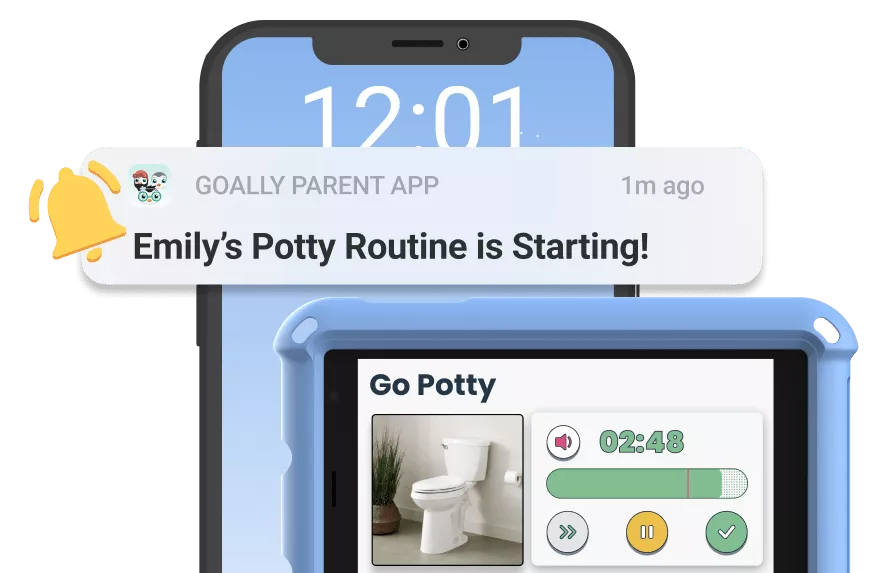
Looking for fun ways to help your child learn life skills? Try Goally! The Goally tablet comes with award-winning learning apps and video classes to help kids develop the skills they need to become independent with FUN & evidence-based practices.

Our apps teach executive function, language, emotional regulation, finger dexterity skills, and more.
As your child develops new skills, you can increase the difficulty level of the tasks in the app to challenge and motivate them even further. This helps your child grow and progress at their own pace, while also keeping them engaged and excited about their development.

Going on the path of understanding and supporting your neurodivergent child may feel daunting. However, remember that you’re not alone in this journey. By connecting with professionals and fellow parents, and advocating for your child’s needs, you can provide the nurturing environment they deserve. Together with Goally’s resources and support, your child can navigate this extraordinary journey.
This post was originally published on 05/09/2023. It was updated on 09/23/2023.

Goally
We help parents teach their kids life skills, like doing bedtime and morning independently. Backed by science, we incorporate evidence-based practices and expert-informed designs in all of our apps and content.