As a licensed practitioner working with kids, I’ve seen firsthand how effective behavior charts can be in shaping positive behaviors. The excitement and joy on a child’s face when they achieve a goal is priceless. In this blog, I’ll discuss the importance of behavior charts for 5 year olds, and provide a free, printable, downloadable PDF to help you get started. Let’s explore how these tools can make a significant impact on your child’s growth and daily life.
Table of Contents
What is a Behavior Chart?
A behavior chart is a visual tool used to track and reinforce positive behaviors in kids. By setting clear expectations and rewarding achievements, behavior charts help kids understand and manage their actions. This can be especially helpful for 5 year olds, who are learning to navigate social rules and responsibilities.

Read more: Behavior Charting Templates
Why Use a Behavior Chart for 5 Year Olds?
At age 5, kids are developing their sense of independence and understanding of right and wrong. A behavior chart provides a structured way to guide them through this critical stage of development. Here are some reasons why a behavior chart can be beneficial:
- Encourages Positive Behavior: By focusing on positive reinforcement, behavior charts encourage kids to repeat good behaviors.
- Provides Clear Expectations: Kids thrive when they know what is expected of them. A behavior chart lays out these expectations clearly.
- Builds Self-Esteem: Achieving goals and receiving rewards boosts a child’s confidence and self-esteem.
- Enhances Communication: Behavior charts open up lines of communication between parents and kids, allowing for better understanding and collaboration.
How to Create an Effective Behavior Chart
Creating a behavior chart tailored to your child’s needs involves several steps:
- Identify Target Behaviors: Focus on specific behaviors you want to encourage, such as completing homework or sharing with siblings.
- Set Achievable Goals: Make sure the goals are realistic and attainable for your child’s age and abilities.
- Choose Rewards: Select rewards that motivate your child, such as extra playtime or a favorite treat.
- Track Progress: Use stickers or checkmarks to visually track your child’s progress on the chart.
- Review and Adjust: Regularly review the chart’s effectiveness and make adjustments as needed.
Printable Behavior Chart Template
To help you get started, I’ve created a free, printable behavior chart template. This template includes spaces for target behaviors, goals, and rewards, making it easy to customize for your child.
Tips for Using a Behavior Chart Effectively
Using a behavior chart effectively involves consistency and positive reinforcement. Here are some tips to ensure success:
- Be Consistent: Use the chart daily and consistently reward positive behaviors.
- Stay Positive: Focus on rewarding good behavior rather than punishing bad behavior.
- Involve Your Child: Let your child help design the chart and choose rewards to increase their investment in the process.
- Be Patient: Behavior changes take time. Be patient and persistent, and celebrate small victories along the way.
Behavior Charts for Neurodivergent Kids
Behavior charts can be particularly useful for neurodivergent kids, such as those with autism or ADHD. These kids may benefit from the clear structure and visual reinforcement that behavior charts provide. Here are some additional tips for using behavior charts with neurodivergent kids:
- Use Visual Supports: Incorporate pictures or icons to make the chart more accessible.
- Keep it Simple: Focus on one or two behaviors at a time to avoid overwhelming your child.
- Be Flexible: Be prepared to adjust the chart based on your child’s needs and responses.

Read more: Simple Behavior Charts for Kids
Common Challenges and Solutions
While behavior charts can be highly effective, you may encounter some challenges along the way. Here are common issues and their solutions:
- Lack of Interest: If your child loses interest in the chart, try changing the rewards or updating the design to keep it engaging.
- Inconsistency: Ensure all caregivers are on the same page and consistently use the chart.
- Overwhelm: If your child feels overwhelmed, simplify the chart and focus on fewer behaviors.
Success Stories
Many parents have found success using behavior charts with their 5 year olds. For example, one parent shared how their child improved their bedtime routine significantly after implementing a behavior chart. The child enjoyed earning stickers for brushing their teeth and going to bed on time, which made the whole process smoother for the family.
Goally | Apps That Build Behavior & Life Skills for Kids
Want to keep your child motivated while building essential behavior and life skills? Goally’s skill-building tablet is designed to celebrate small wins and help your child grow. Our Behavior Tracker helps you reward your kid for specific skills, like “being kind” or “flushing the toilet.”
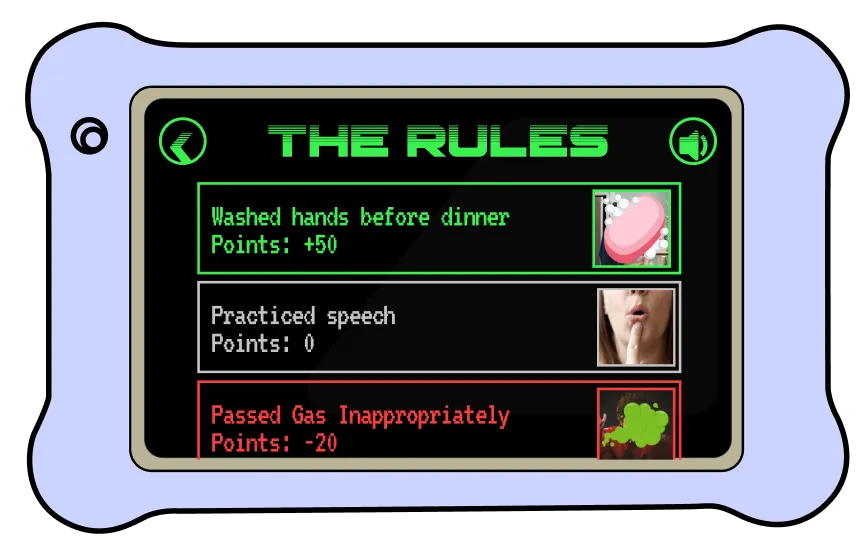
By setting clear expectations and rewarding their efforts, you foster a positive environment for your child to flourish in their behavioral skills journey.
Behavior charts for 5 year olds are a powerful tool to encourage positive behaviors, build self-esteem, and improve communication. By following the tips and strategies outlined in this blog, you can create an effective behavior chart tailored to your child’s needs. Don’t forget to download the free printable behavior chart template to get started today!
Resources:
FAQs about Behavior Charts for 5-year-olds
What is the purpose of a behavior chart for a 5 year old?
Behavior charts help reinforce positive behaviors by providing clear expectations and rewards. They assist kids in understanding and managing their actions, promoting self-discipline and responsibility.

How do I introduce a behavior chart to my 5 year old?
Introduce the chart by explaining its purpose in simple terms and involving your child in setting goals and choosing rewards. This engagement increases their interest and investment in the process.

What types of behaviors should I include on the chart?
Focus on specific, positive behaviors you want to encourage, such as completing homework, sharing, or following a bedtime routine. Make sure the behaviors are age-appropriate and achievable for your child.

How often should I update the behavior chart?
Update the chart daily to track progress and provide immediate feedback. Regularly review and adjust the chart to keep it relevant and motivating for your child.

Can behavior charts be used for neurodivergent kids?
Yes, behavior charts can be particularly beneficial for neurodivergent kids by providing clear structure and visual reinforcement. Customize the chart with visual supports and keep it simple to cater to their specific needs.
This post was originally published on 03/11/2023. It was updated on 06/15/2024.

Goally
We help parents teach their kids life skills, like doing bedtime and morning independently. Backed by science, we incorporate evidence-based practices and expert-informed designs in all of our apps and content.