We know you’re always searching for valuable insights to help your neurodivergent kids thrive. Today, we’re exploring the fascinating concept of the theory of mind autism, which can shed light on how your kid perceives and interacts with the world. Understanding this concept can empower you to better support your child’s social and emotional development.
Table of Contents
Goally | Visual Scheduler for Autism
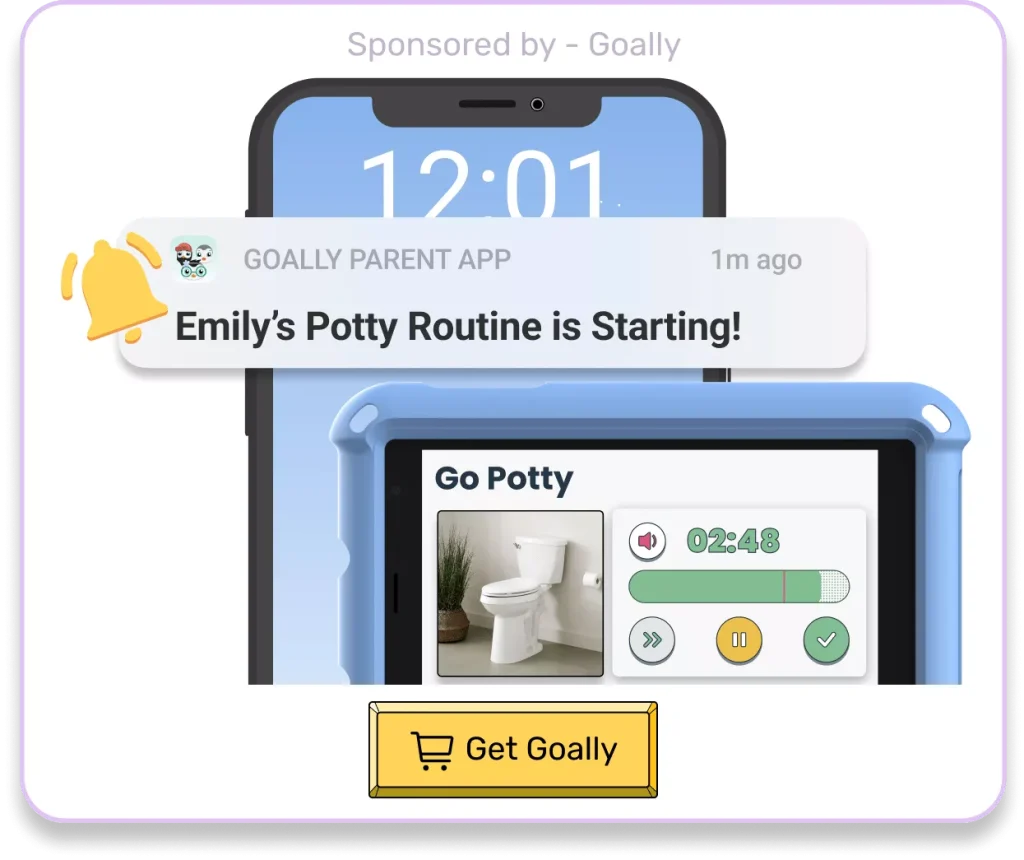
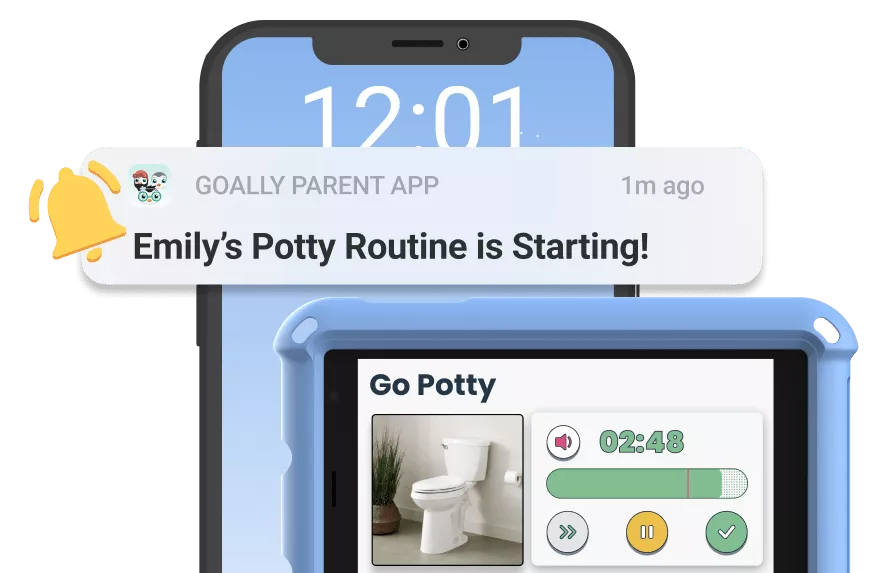
Does your child struggle with getting ready in the morning independently? Goally’s routine app on the best tablet for kids breaks down large tasks into small, achievable steps for autistic kids. Create custom routines with your own videos & pictures for every step.
What is Theory of Mind?
Theory of mind (ToM) refers to the ability to understand that others have thoughts, feelings, and perspectives different from our own. It’s a crucial aspect of social cognition, allowing us to empathize, predict behavior, and navigate complex social situations. While ToM develops naturally in most kids, those with autism often face challenges in this area.
How Theory of Mind Autism Differs
Kids with the theory of mind autism may struggle to recognize and interpret the emotions, intentions, and beliefs of others. This can lead to difficulties in social interactions, making it more challenging for them to form and maintain relationships.
Some common challenges faced by kids with the theory of mind autism include:
- Difficulty understanding emotions and facial expressions
- Struggling to predict the behavior of others
- Challenges with perspective-taking and empathy
- Problems with understanding humor, sarcasm, and figurative language
It’s important to remember that every child is unique, and the extent of these challenges may vary from one individual to another.

Read more: Learning Videos for kids
Supporting Your Child’s Theory of Mind Development
While the theory of mind autism presents unique challenges, there are strategies you can use to help your child develop their social cognition skills. Here are some practical tips to get started:
1. Practice Emotion Recognition
Help your child identify and label emotions by using visual aids, such as flashcards or emotion charts. Discuss different situations and ask your child how they think the people involved might feel. This exercise can help them become more aware of the emotions of others and improve their empathy.
For example, you might show your child a picture of someone who looks sad and ask, “How do you think this person is feeling? What might have happened to make your kid feel this way?” Please encourage your child to think about the reasons behind the emotions they see.
2. Engage in Perspective-Taking Activities
Encourage your child to consider different viewpoints by engaging in role-playing games or discussing stories with multiple perspectives. This can help them understand that others may have different thoughts and feelings than their own.
One fun activity could be to read a story together and then ask your child to imagine how different characters might feel in a given situation. You can also create scenarios where your child has to think about how they would feel if they were in someone else’s shoes.
3. Use Social Stories
Social stories are short, personalized narratives that explain social situations and appropriate behaviors. They can be a valuable tool for teaching your child about social cues, expected behaviors, and the feelings of others.

For instance, you could create a social story about going to a birthday party, explaining what to expect, how to behave, and how other kids might feel during the event. This can help your child feel more prepared and confident in social situations.
4. Foster Emotional Expression
Encourage your child to express their emotions through various outlets, such as art, music, or journaling. This can help them develop a better understanding of their own emotions and improve their ability to recognize and empathize with the emotions of others.
By providing a safe space for your child to explore and express their feelings, you can help your kid build a strong foundation for emotional intelligence and theory of mind development.
Technology as a Tool for Theory of Mind Development
Today’s technology offers innovative solutions to support the development of the theory of mind in kids with autism. Goally, for example, provides a learning tablet and apps specifically designed for neurodivergent kids. These tools can help your child build essential social and emotional skills through engaging and interactive activities.
Benefits of Using Goally for Theory of Mind Development
Goally’s learning tablet and apps offer several advantages for kids with the theory of mind autism:
- Personalized learning experiences tailored to your child’s needs
- Interactive and engaging activities that promote social cognition
- Progress tracking to monitor your child’s development
- Support from a community of parents and professionals
By incorporating Goally into your child’s daily routine, you can provide them with the tools and resources they need to overcome the challenges of the theory of mind autism and develop strong social skills.
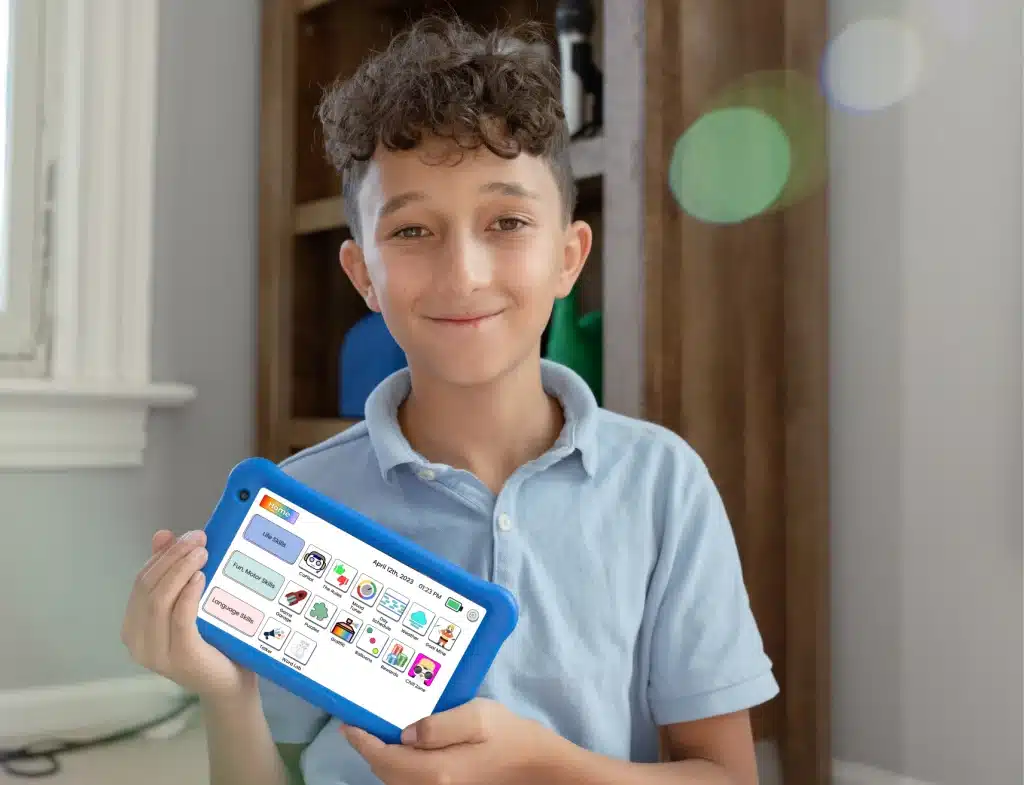
Give your kid an independent future. Goally has 15+ learning apps that teach life skills. There are NO web browsers, social media, or YouTube.
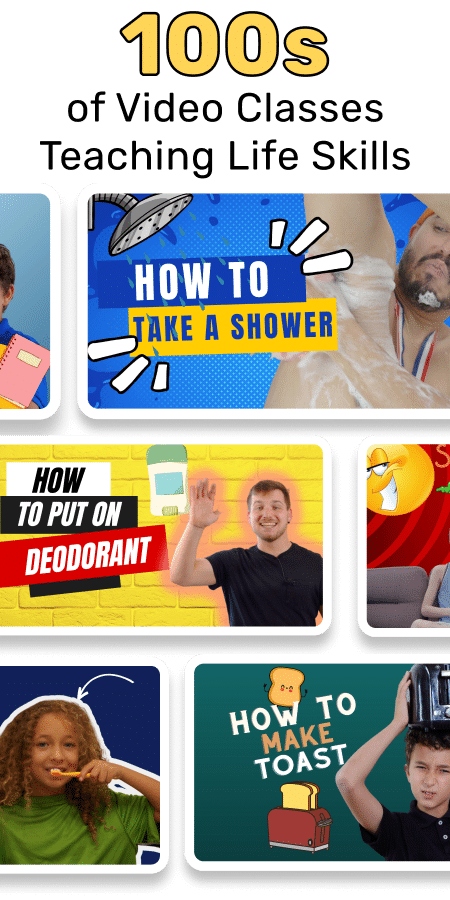
Our apps teach executive function, language, emotional regulation, finger dexterity skills, and more. It also 100+ video classes teaching social skills.
Embracing Your Child’s Unique Perspective
While the theory of mind autism presents challenges, it’s essential to remember that your child’s unique perspective also brings valuable strengths. By understanding and supporting their social cognition development, you can help them navigate the world with confidence and resilience. So, keep learning, keep growing, and cherish the incredible journey of parenting your neurodivergent superstar! Together, we can help our kids reach their full potential and lead happy, fulfilling lives.
This post was originally published on 05/05/2023. It was updated on 07/14/2023.

Goally
We help parents teach their kids life skills, like doing bedtime and morning independently. Backed by science, we incorporate evidence-based practices and expert-informed designs in all of our apps and content.