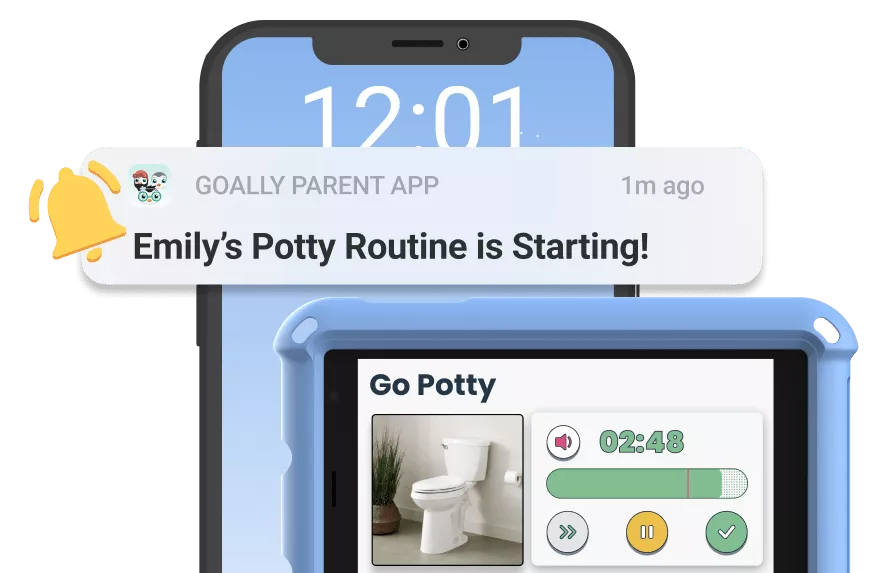
As a parent, you might wonder, “Why do children act out?” This question can be confusing and stressful. We’re here to help you understand the reasons behind acting out and give you useful tips for your neurodivergent kids or kids with thinking and learning differences. You’ll know more about why kids act out and how to handle it. So, let’s start solving this puzzle together!
Table of Contents
Why Do Children Act Out? Discovering the Main Reasons
There are several reasons why kids act out. Knowing these reasons is important for finding the best way to deal with their behavior.
Here are some common reasons:
- Unmet needs: Kids might act out when they’re hungry, tired, or need attention. Make sure your child’s physical and emotional needs are being met.
- Communication problems: Neurodivergent kids or kids with thinking and learning differences may have a hard time telling you how they feel or what they need. This can make them frustrated and cause them to act out.
- Stress and worry: Stressful situations or feeling anxious can make kids act out as a way to cope.
- Wanting control: Kids may act out to feel more in control of their lives or to test the rules.
- Copying others: Children often learn by watching others, so they might copy the behavior of their friends or adults around them.
Understanding these reasons can help you better support your child and create a more positive environment. Goally’s learning tablet for kids can be a helpful tool in addressing some of these issues, such as communication difficulties and wanting control, by providing structured activities and personalized learning experiences.
Goally | The Tablet for Neurodiverse Kids
Figuring Out Your Child’s Triggers
Now that we know why kids act out, it’s time to find the triggers that cause this behavior. By knowing these triggers, you can take steps to stop or reduce acting out.
Here are some common triggers to look for:
- Too much noise or activity
- Changes in routine
- Feeling overwhelmed or upset
- Being with friends or in social situations
- Having too much pressure or demands

Read more: Kindness Chart for Kids
Keep a journal to write down your child’s behavior and look for patterns or triggers. This information will help you create a plan to manage acting out. Goally’s apps for kids can also assist in identifying triggers and tracking progress, making it easier for you to understand and support your child’s needs.
Ways to Manage Acting Out
Now that you know the reasons and triggers, you can use strategies to help manage your child’s acting-out behavior.
Here are some ideas to try:
- Create routines: Having routines can help kids feel more secure and reduce acting out.
- Teach coping skills: Show your child healthy ways to deal with stress, like deep breathing, counting, or using a fidget toy.
- Set clear rules and consequences: Tell your child what you expect and what will happen if they act out so they know the limits.
- Give choices: Letting your child choose can help them feel more in control and less likely to act out.
- Show good behavior: Be a good example of how to handle emotions and tough situations, so your child can learn from you.
- Encourage positive behavior: Praise and reward your child when they behave well to help them keep doing it.
Goally’s learning tablet and apps can support you in implementing these strategies by providing structured activities, personalized learning experiences, and tools to track progress. This can help your child feel more in control and engaged in their learning, reducing the likelihood of acting out.
Read more: 7 ADHD Triggers in Kids
When to Get Professional Help
If your child’s challenges persist or seem to worsen despite your efforts, don’t hesitate to seek professional support. A therapist or counselor specializing in neurodivergence or learning differences can provide tailored guidance and strategies. They can help you uncover underlying causes, create effective plans, and teach your child valuable skills for better managing their behavior. Remember, asking for help is a sign of strength.
Goally | Apps That Build Behavior & Life Skills for Kids
Want to keep your child motivated while building essential behavior and life skills? Goally’s skill-building tablet is designed to celebrate small wins and help your child grow. Our Behavior Tracker helps you reward your kid for specific skills, like “being kind” or “flushing the toilet.”
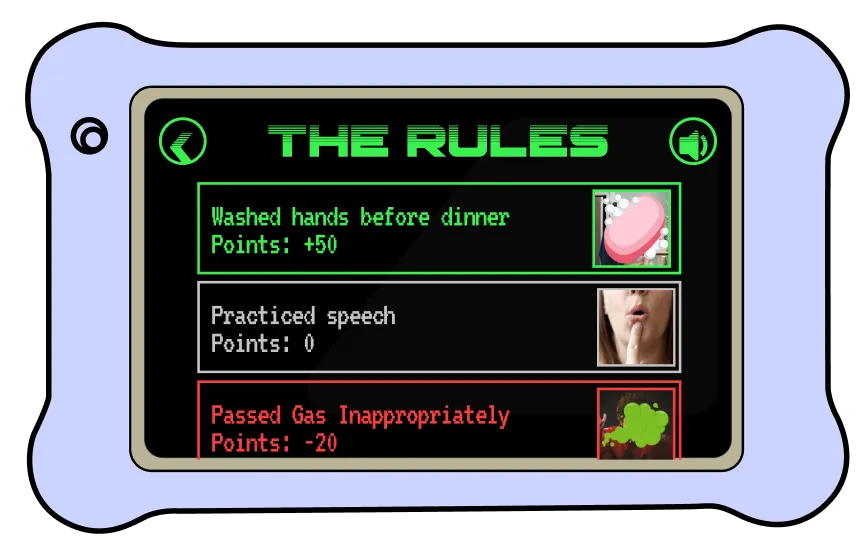
By setting clear expectations and rewarding their efforts, you foster a positive environment for your child to flourish in their behavioral skills journey.
Helping Your Child Grow and Thrive
Understanding why kids act out is the first step in dealing with this behavior. By knowing the reasons, finding triggers, and using helpful strategies, you can teach your child better ways to express themselves. Remember, this journey takes time and patience, but with your love and support, your child can learn and grow. So, enjoy the journey and celebrate your child’s progress, knowing that you’re making a positive difference in their life. With the help of tools like Goally’s learning tablet and apps, you can provide the support and structure your child needs to thrive.
FAQ’s About Why Do Children Act Out
Why is my child suddenly acting out?
Children often act out due to a change in routine, an unmet need, or difficulty expressing big emotions.  They might be feeling overwhelmed, frustrated, or seeking attention.

What are some common reasons children act out?
Children may act out because they are hungry, tired, overstimulated, or struggling to cope with strong emotions like anger or sadness. They might be trying to avoid a difficult task or get something they want.

Could a learning difference be causing my child to act out?
Yes, children with learning differences sometimes act out due to frustration or difficulty understanding expectations.  Their behavior might be a way of communicating that they need help or a different approach.

How can I tell if my child's behavior is typical or cause for concern?
If your child's acting out is frequent, intense, or causing significant disruption at home or school, it's worth seeking guidance from a child development specialist or pediatrician. They can help assess whether there's an underlying issue.

How can I help my child manage their behavior better?
Creating clear routines, providing tools for emotional expression, and using positive reinforcement strategies can help children develop better self-regulation. It's also important to address any underlying needs or challenges they may be facing.
This post was originally published on 05/02/2023. It was updated on 03/21/2024.

Goally
We help parents teach their kids life skills, like doing bedtime and morning independently. Backed by science, we incorporate evidence-based practices and expert-informed designs in all of our apps and content.