I’ve been in the trenches with parents like you, trying to navigate the stormy seas of childhood behavior. You’ve probably been there too – the unexpected smack from your little one, the sting of surprise and confusion. It’s a situation no parent wants to find themselves in, yet it’s not uncommon. So, how do you stop a child from hitting a parent? It’s a complex issue, but I’m here to help you unravel it. This blog post will provide actionable strategies to address this challenging behavior, backed by research and professional experience. We’ll explore the reasons behind the hitting, effective communication techniques, and ways to teach empathy and self-control. By the end of this post, you’ll have a toolkit of strategies to help guide your child towards more positive interactions.
Table of Contents
Step 1: Understand the Root Cause
Firstly, let’s acknowledge that children, especially neurodivergent kids, don’t hit without a reason. It’s a form of communication — a cry for help when words fail them. They might feel frustrated, overwhelmed, or anxious and don’t know how to express it. I’ve seen this in my practice time and again.
Start by observing your child closely. Note what triggers the hitting, the time of day it happens, and any patterns that emerge. This isn’t about blaming the child; it’s about understanding them. In other words, you’re not just stopping the behavior but addressing the root cause.
Best Parent-Approved AAC App:

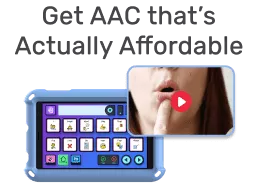
Goally comes with an easy-to-use, fully customizable AAC device to help kids communicate. If you’re on a waitlist, this is the fastest way to get your child access to an AAC Talker and start communicating!
Step 2: Use Clear and Consistent Communication
Communication is key. Let your child calmly and firmly know that hitting is unacceptable. But remember, it’s not just about telling them what not to do; it’s equally important to guide them towards what they should do. For instance, if they hit when angry, teach them to use words or provide a safe outlet for their anger.
Consistency is crucial here. Ensure all caregivers are on the same page and follow the same rules. Mixed messages can confuse children and make it harder for them to learn.
Step 3: Teach Empathy and Self-Control
Teaching empathy is a powerful tool. It helps children understand how their actions affect others. Simple activities like reading storybooks about feelings, role-playing, or discussing how their friends might feel when they get hit can make a difference.

Read More: Why is My Child Hitting Others?
Alongside empathy, teach your child self-control. Simple techniques like deep breathing, counting to ten, or using a stress ball can help them manage their emotions better. Remember, it’s a learning process, and it’s okay if they wait to get it right.
Step 4: Reinforce Positive Behavior
When your child manages their anger without resorting to hitting, acknowledge their effort. Positive reinforcement can be a powerful motivator. A simple “I’m proud of you for using your words” can go a long way in encouraging good behavior.
Remember, it’s not about rewarding them with treats or gifts every time. Sometimes, your words of appreciation are enough. Above all, let them know they’re loved and valued, regardless of their behavior.
Step 5: Seek Professional Help if Needed
If your child’s hitting behavior persists despite your best efforts, it may be time to seek professional help. A child psychologist or a behavior therapist can provide you with more targeted strategies and support. There’s no shame in reaching out for help; every child is unique, and sometimes, we need a little extra guidance.
Remember, it’s a journey. There will be good days and challenging ones. But with patience, consistency, and love, you can guide your child towards healthier expression of their emotions.
Goally | Apps That Build Behavior & Life Skills for Kids
Want to keep your child motivated while building essential behavior and life skills? Goally’s skill-building tablet is designed to celebrate small wins and help your child grow. Our Behavior Tracker helps you reward your kid for specific skills, like “being kind” or “flushing the toilet.”
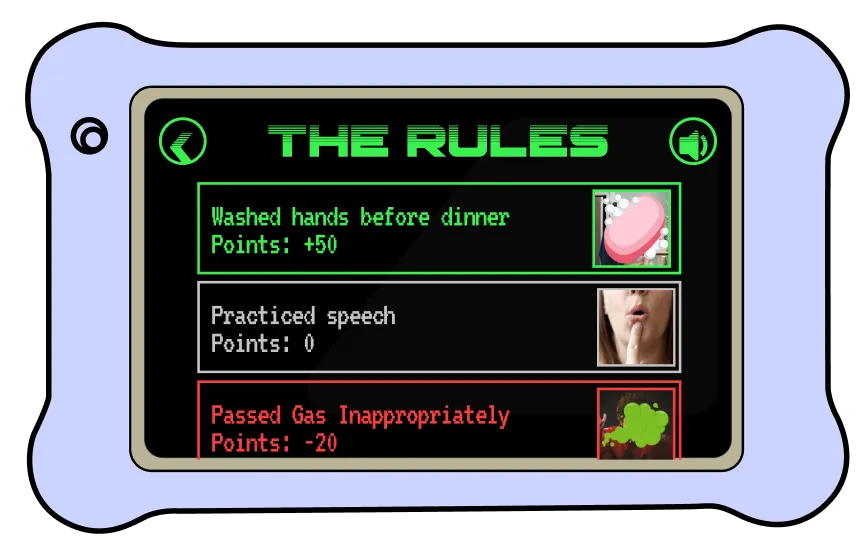
By setting clear expectations and rewarding their efforts, you foster a positive environment for your child to flourish in their behavioral skills journey.
In short, understanding and addressing your child’s hitting behavior is a journey that requires patience, consistency, and empathy. Start by identifying the root cause, communicating clearly and consistently about acceptable behavior, and teaching empathy and self-control. Remember to reinforce positive behavior and seek professional help if needed. It’s not an overnight process, but remember, every small step you take brings your child closer to expressing their emotions more healthily. As you navigate this journey, know that you’re not alone, and the efforts you’re putting in today are shaping your child’s future most beautifully.
This post was originally published on 04/10/2023. It was updated on 01/25/2024.

Goally
We help parents teach their kids life skills, like doing bedtime and morning independently. Backed by science, we incorporate evidence-based practices and expert-informed designs in all of our apps and content.