Parenting can feel like a wild ride, and when you’re raising a neurodivergent child, it’s easy to get lost in a sea of wrong information. Research indicates that ADHD rates have significantly increased in recent years. This has led to the belief that ADHD is being diagnosed too frequently. This is not true. ADHD myths are everywhere, and it’s time to reveal the truth. So get ready, parents, as we tackle eight common misunderstandings about ADHD and give you the facts to better understand and support your child’s unique adventure. Together, we’ll unmask the truth, one myth at a time.
Table of Contents
Myth #1: ADHD is Just a Made-Up Reason for Bad Behavior
ADHD (Attention Deficit Hyperactivity Disorder) is a true brain-based disorder that affects millions of kids around the world. It’s not a made-up reason for misbehavior but a condition that changes how the brain works, making it hard for kids to control their attention, impulses, and feelings. Knowing this difference is important for giving the right help and support to your child.
- ADHD is no excuse for bad behavior
- It’s a real condition that affects how the brain works
Myth #2: Kids with ADHD Just Need to Try Harder
One of the most harmful ADHD myths is that kids with ADHD only need to “try harder” to beat their challenges. The truth is these kids are often trying their best, but their brains work differently, making some tasks harder. Instead of telling them to try harder, focus on finding ways and tools that can help them succeed, like Goally’s learning tablet for kids.
Strategies for Success:
- Use tools like Goally’s learning tablet
- Focus on their strengths and interests
- Provide structure and routine

Read more: When do ADHD Symptoms Usually Start?
Myth #3: ADHD Only Happens to Boys
While it’s true that ADHD is more often found in boys, girls can also have ADHD. However, girls may show different signs, like being easily distracted and daydreaming, which can be misunderstood. It’s important to know that ADHD can affect both boys and girls and to watch for the signs in your child, no matter their gender.
Signs of ADHD in Girls:
- Easily distracted
- Daydreaming
- Trouble with organization
Myth #4: ADHD is Caused by Bad Parenting
Parents, take a deep breath and let go of the guilt. ADHD is not an outcome of bad parenting or not enough discipline. It’s a brain-based condition with genes and things around us playing a part in its development. While parenting methods can help manage symptoms, they cannot cause or cure ADHD.
What Parents Can Do:
- Learn about ADHD and its treatments
- Provide a supportive and structured environment
- Communicate openly with your child
Read More: Consequences of Untreated ADHD

Read more: Can Kids With ADHD Still Be Smart?
Myth #5: All Kids with ADHD are Always Moving
Not all kids with ADHD are constantly moving. In fact, there are three kinds of ADHD: mainly inattentive, mainly hyperactive-impulsive, and combined type. Some kids may have more trouble with focus and organization, while others may find it hard to control their impulses and stay still. Knowing the different kinds of ADHD can help you better understand and support your child’s unique needs.
Types of ADHD:
- Mainly Inattentive
- Mainly Hyperactive-Impulsive
- Combined Type
Myth #6: Kids with ADHD Will Outgrow It
Sure, a few might experience a decrease, but many kiddos will continue to grapple with ADHD challenges even as they blossom into adults. It’s kind of like they’re carrying around a backpack—over time, they get stronger, but the weight in their bag stays the same.
Here’s a parent-to-parent tip: early and consistent support is like adding more straps to that backpack. It helps distribute the weight evenly and makes the journey manageable.
Supporting Your Child’s Growth:
- Start early intervention
- Encourage self-awareness and self-advocacy
- Teach coping strategies and life skills
Myth #7: Medicine is the Only Answer for ADHD
While medicine can be a helpful tool for managing ADHD symptoms, it’s not the only answer. Using many ways together, like behavior therapy, help at school, and tools like Goally’s learning tablet for kids, can lead to better results. Remember, every child is different, and finding the right mix of ways to help is important.
A Multi-Faceted Approach:
- Medication (if needed)
- Behavior therapy
- Educational support
- Assistive technology (like Goally’s learning tablet)
Myth #8: Kids with ADHD Can’t Be Successful in Life
Don’t let ADHD myths limit your child’s possibilities. With the right help, understanding, and support, kids with ADHD can do great things in their personal and work lives. Many successful people, like business owners, athletes, and artists, have ADHD and have used their special strengths to do well in their jobs.
Keys to Success:
- Focus on strengths and interests
- Provide support and encouragement
- Teach resilience and problem-solving skills
Try Goally For Your Child With ADHD
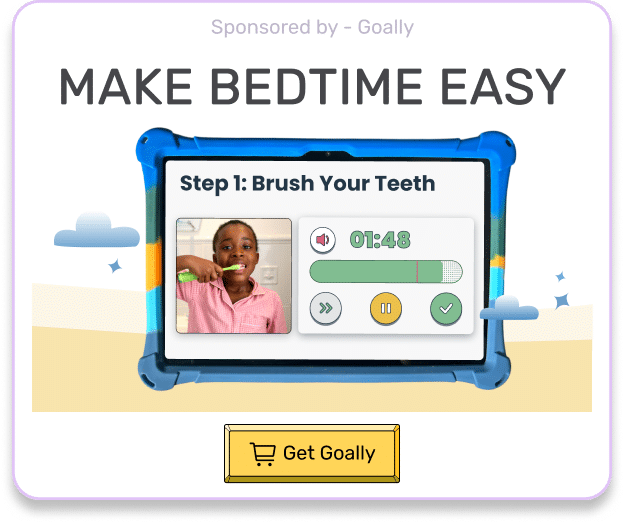
Goally is an excellent option for many families that have a child with ADHD. Use game play as a points-based motivator for your kiddo with ADHD, help them learn emotional regulation skills, and watch them grow! It’s simple to set up and has an expert-informed design.
Closing: Knowledge is Power, and Together We’re Stronger
Now that we’ve cleared up these ADHD myths, you’re better prepared to understand and help your neurodivergent child. Remember, knowing more makes you stronger, and by staying informed and speaking up for your child, you help them reach their full potential. So keep learning, keep growing, and keep cheering on your child’s unique adventure. Together, we’re stronger.
This post was originally published on 04/14/2023. It was updated on 10/30/2023.

Goally
We help parents teach their kids life skills, like doing bedtime and morning independently. Backed by science, we incorporate evidence-based practices and expert-informed designs in all of our apps and content.