Have you ever observed your child getting deeply engrossed in a task or hobby, so much that they seem to block out the world around them? This behavior could be a sign of ADHD hyperfixation. In this article, we’ll help you understand what ADHD hyperfixation is, its impact on neurodivergent kids, and how to support them through this unique trait. You’ll learn how to identify ADHD hyperfixation, comprehend its effects, and discover strategies to help your child grow and develop.
Table of Contents
Understanding ADHD Hyperfixation
ADHD hyperfixation is the intense focus that some kids with ADHD may exhibit when they’re engaged in an activity they find captivating or enjoyable. This level of concentration can be so strong that they might lose track of time, overlook other responsibilities, and even disregard their own basic needs, such as hunger or sleep.
While the exact cause of ADHD hyperfixation remains unknown, it is thought to be connected to the brain’s dopamine system. Kids with ADHD often have an imbalance in dopamine levels, leading to challenges with attention, impulsivity, and emotional regulation. When they participate in a pleasurable activity, their brains release more dopamine, creating a sense of reward and motivation to continue the activity.

Recognizing ADHD Hyperfixation in Kids
Differentiating between typical focus and ADHD hyperfixation isn’t always easy. Here’s a handy checklist to help you recognize ADHD hyperfixation in your child:
- Extreme concentration on a specific task or activity
- Difficulty shifting attention away from the activity
- Loss of awareness of time and surroundings
- Neglecting other tasks or self-care
- Increased irritability when interrupted
It’s important to remember that hyperfixation can have its positives, such as promoting creativity and fostering a deep understanding of a subject. However, problems may arise when kids neglect schoolwork, chores, or social interactions in favor of their hyperfixations. The inability to shift attention can also lead to frustration and emotional outbursts, particularly when a child is asked to disengage from their activity.
Read More: ADHD Food Hyperfixation
Supporting Kids with ADHD Hyperfixation
Helping your child manage their ADHD hyperfixation can be challenging, but with the correct focus, you can turn it into a positive and productive trait. Here are some tips to support your child:
1. Encourage Healthy Interests
Support your child’s interests by helping them explore new topics while ensuring they maintain a balance between their hyperfixations and other areas of life. Encourage them to engage in a variety of activities that contribute to well-rounded development.
2. Set Boundaries and Structure
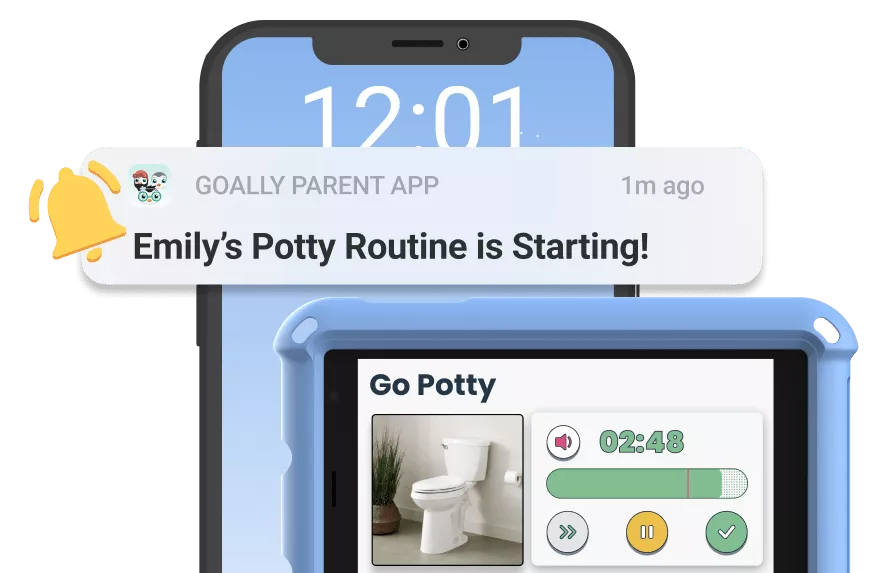
Establish clear expectations and routines to help your child manage their time effectively. Consider using visual schedules, timers, and reminders to assist them in transitioning between activities and allocating time for other responsibilities.
- Visual Schedules: These are charts or calendars with images that represent daily tasks and activities. They are very helpful in providing a clear structure and routine, which can greatly reduce ADHD hyperfixation.
- Timers: Timers are devices or apps that count down a predetermined amount of time. They signal when it’s time to switch tasks, helping to prevent hyperfocus on a single activity.
- Reminders: Reminders can be alarms or notifications set to prompt your child about upcoming tasks or transitions. They are particularly useful in mitigating the effects of ADHD hyperfixation by prompting a change of focus.
Customize visual schedules that teach kids independence. No more nagging, no more stress.
3. Teach Time Management Skills
Assist your child in developing healthy time management habits by breaking tasks into smaller steps, setting priorities, and using checklists. Encourage them to set aside time for relaxation and self-care, as well.

4. Open Communication
Have open conversations with your child about ADHD hyperfixation and help them understand how it affects their life. Encourage them to express their feelings and address any concerns they may have. Maintain an open dialogue to foster mutual understanding and support.
Read More: My Child Refuses to Talk When Upset
5. Collaborate with Professionals
Work closely with your child’s teachers, therapists, and healthcare providers to develop a comprehensive plan to support their unique needs. Regular communication and collaboration can help ensure consistency and effectiveness in managing ADHD hyperfixation.
Goally | Apps To Structure Your Kid’s Routine
Does your child struggle with transitions or staying on task? Goally’s visual schedule app breaks down large tasks into small, achievable steps. It helps kids complete their tasks independently!
Create custom routines with your own videos & pictures for every step. The steps come in small, bite-sized pieces to help your child learn the little fundamentals (like putting the toothpaste on their toothbrush!) to achieve bigger goals. And that’s just the beginning.
Embracing the Positives of ADHD Hyperfixation
Although ADHD hyperfixation can present challenges for both kids and parents, it’s essential to recognize the strengths and potential it can offer. Coupled with the right guidance and help, your kid can harness their extraordinary focus and channel it into productive and meaningful pursuits. Keep in mind that neurodivergent kids are capable of remarkable achievements. By understanding and nurturing their unique traits, you can help them unlock their full potential.
FAQs About ADHD Hyperfixation
What is ADHD hyperfixation?
ADHD hyperfixation is a concentration so intense that one becomes oblivious to the world around them. It's common in people with ADHD.
How can visual schedules help manage ADHD hyperfixation?
Visual schedules provide a clear structure and routine, reducing the potential for ADHD hyperfixation by visually representing tasks.
What role do timers play in managing ADHD hyperfixation?
Timers count down a predetermined time, signaling when to switch tasks, which helps prevent excessive focus on one activity.
How do reminders assist in controlling ADHD hyperfixation?
Reminders, like alarms or notifications, prompt individuals about upcoming tasks or transitions, encouraging a shift in focus.
Are there specific apps that can help manage ADHD hyperfixation?
Yes, numerous emotional regulation apps can help manage ADHD hyperfixation by promoting mindfulness, aiding relaxation, and encouraging task switching.
This post was originally published on 05/15/2023. It was updated on 07/08/2023.

Goally
We help parents teach their kids life skills, like doing bedtime and morning independently. Backed by science, we incorporate evidence-based practices and expert-informed designs in all of our apps and content.