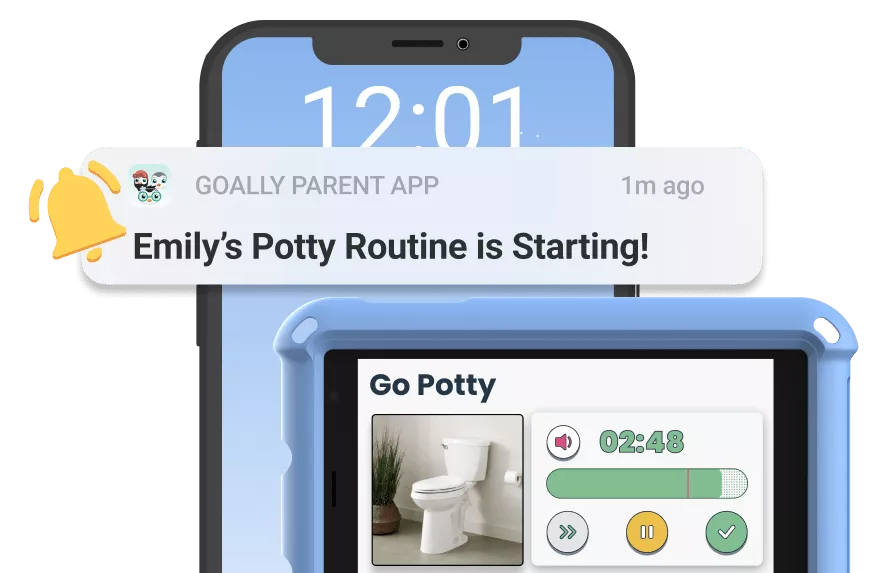
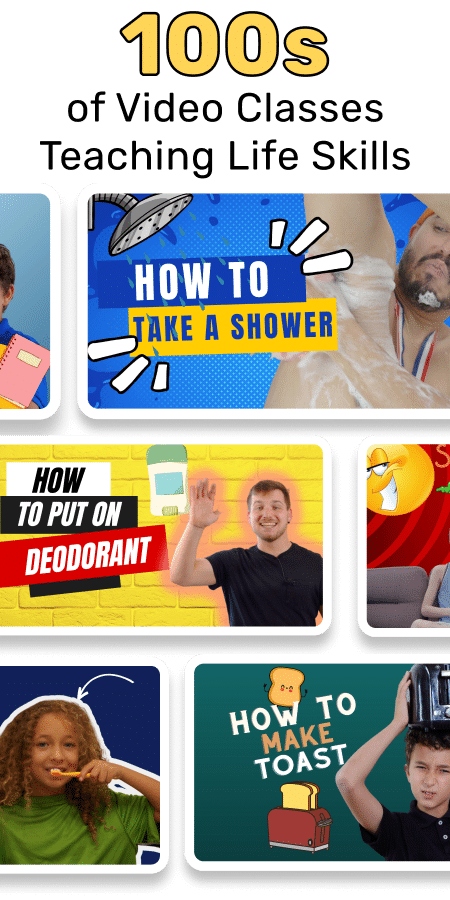
Picture your teen coming home from school looking upset and overwhelmed. You want to help, but you need to figure out how. Don’t worry! Many parents of neurodivergent kids face this challenge. If you need help understanding high-functioning autism in teens, you’re in the right place. In this guide, we’ll share tips and insights to support your teen, and we’ll also mention how Goally can help. Let’s get started!
Table of Contents
Recommended Skill-Building Tablet for High Functioning Autistic Teens:
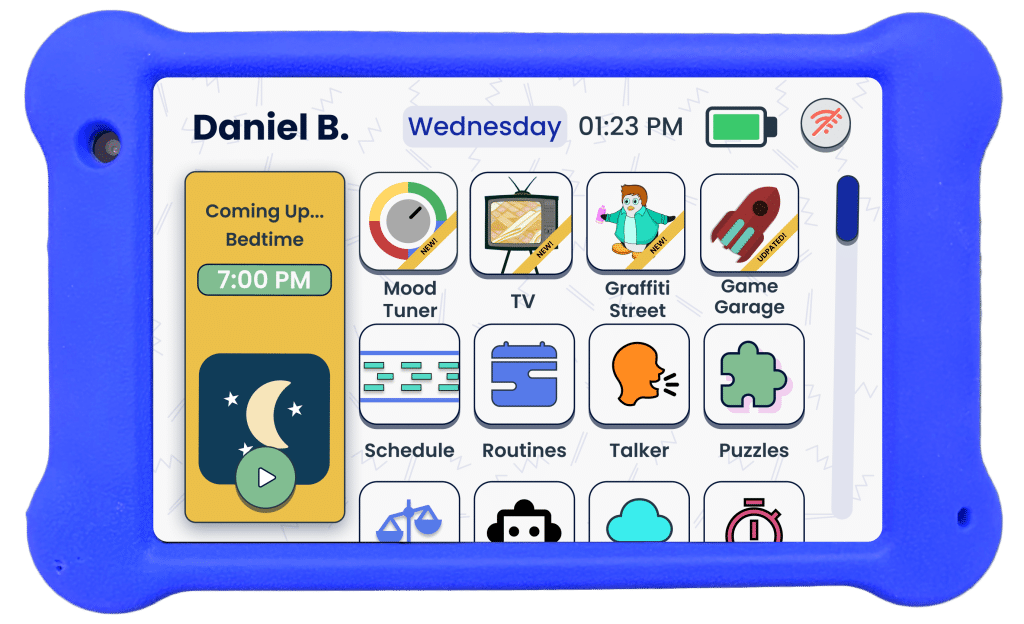
Pro tip— Goally has an entire therapy suite of apps on a distraction-free tablet made to help autistic kiddos build life skills. See everything included on the tablet below!
What is High Functioning Autism in Teens?
High-functioning autism is a term used for anyone on the autism spectrum who have average or above-average thinking skills. They can handle daily life with little help. But they might still need help with social situations, communication, and handling their senses.
To better understand high-functioning autism in teens, let’s explore some key points:
- Social Skills: Teens with high-functioning autism may find it hard to understand social cues, make eye contact, and read body language. They might also need help to make and keep friends.
- Communication: They may be good at talking but have trouble understanding nonverbal signals, sarcasm, and common expressions. Their conversations might focus on their interests.
- Sensory Processing: They might be extra sensitive to lights, sounds, textures, and tastes. This can lead to sensory overload and meltdowns.
- Executive Functioning: Teens with high-functioning autism may find it hard to stay organized, manage their time, and plan things.
Now that we have a better understanding of high-functioning autism in teens let’s discuss ways to help your child in their daily life. Keep in mind that every teen is different, so make sure to use these tips in a way that works best for them.
How to Help Your Teen: Tips for Success
1. Talk Openly with Your Teen
Create a safe space for your teen to share their thoughts and feelings. Listen carefully, show you understand, and offer help when needed. This builds trust and a strong bond between you. Goally’s learning tablet for kids can be a helpful tool for communication, providing a platform for your teen to express themselves and track their progress.
2. Help Them Improve Social Skills
Give your teen chances to practice social skills. They could join clubs, take part in group activities, or go to social skills training programs. You can also role-play and talk about social situations together. Goally offers apps designed to help neurodivergent kids improve their social skills, making it a valuable resource for parents.
- Join clubs or groups that share their interests
- Participate in group activities or sports
- Attend social skills training programs
- Role-play and discuss social situations at home

3. Use Sensory Strategies
Find out what bothers your teen’s senses and come up with ways to lessen the problem. This might include making your home more sensory-friendly, giving them sensory tools (like noise-canceling headphones), or teaching them how to handle sensory overload.
Some sensory strategies to consider:
- Create a quiet, calming space at home
- Provide sensory tools, such as fidget toys or weighted blankets
- Teach deep breathing exercises or other coping techniques
- Encourage the use of headphones in noisy environments
4. Support Their Executive Functioning Skills
Help your teen get better at organizing, planning, and managing time. Break tasks into smaller steps, use visual schedules, and set clear expectations. Please encourage them to use calendars, checklists, and timers to stay organized. Goally’s learning tablet and apps can be an excellent tool for helping teens with high-functioning autism improve their executive functioning skills.
Some ways to support executive functioning skills:
- Break tasks into smaller steps
- Use visual schedules or charts
- Set clear expectations and deadlines
- Encourage the use of calendars, checklists, and timers
5. Work with School Staff
Team up with your teen’s teachers and school staff to make sure they get the help they need. This could include an Individualized Education Program (IEP), a 504 plan, extra resources, or changes to the classroom.
Ways to collaborate with school staff:
- Request an IEP or 504 plan
- Communicate regularly with teachers and staff
- Share strategies that work well at home
- Advocate for necessary accommodations

"Our son uses his Goally to simplify and take the worry out of his bedtime and morning routines. He knows what's next! Watching him blossom independently because of it has been amazing " — Kate
Learn more →
Celebrate Your Teen’s Unique Strengths
It’s important to help your teen with their challenges but also to celebrate their strengths and talents. Many neurodivergent kids are great at things like creativity, attention to detail, and problem-solving. Encourage your teen to explore their own interests and show off their skills. This will help them feel good about themselves and find their own path in life.
Ways to celebrate your teen’s strengths:
- Encourage them to pursue their passions
- Provide opportunities to showcase their talents
- Recognize and praise their achievements
- Support their involvement in clubs or activities
Goally | Learning Videos for Autistic Teens
Looking for real-life video modeling to build your teen’s essential life skills? Goally’s skill building tablet includes a TV app that ranges from content like “How to Make a PB and Jelly Sandwich” to “How to Shake Hands,” we have dozens of interactive video lessons for teens with thinking and learning differences.
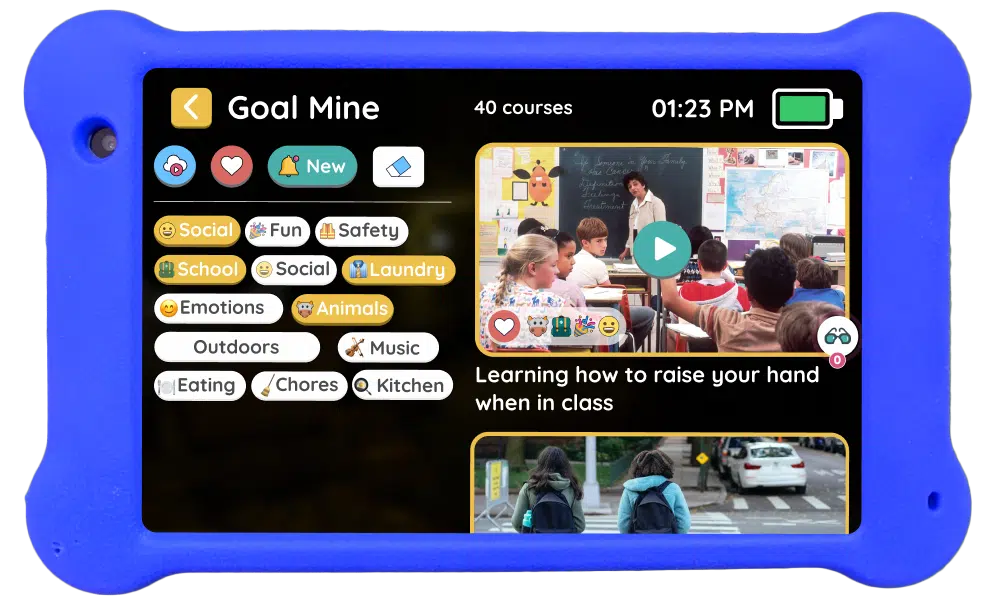
Check out the Goal Mine channel, where your teen can access tons of life skills (hygiene, safety) and social skills videos that are key to their independence.
Try our dedicated device (with ONLY Goally apps on it) for $149. No distractions 😉
Final Thoughts: Taking One Step at a Time
Understanding and supporting high-functioning autism in teens can be tough, but with patience, empathy, and the right tips, you can help your teen grow and succeed. Remember, you’re not alone – there are many resources, support groups, and other parents to lean on. Goally’s learning tablet and apps can be a valuable resource for parents navigating this journey.
This post was originally published on 05/01/2023. It was updated on 07/12/2023.

Goally
We help parents teach their kids life skills, like doing bedtime and morning independently. Backed by science, we incorporate evidence-based practices and expert-informed designs in all of our apps and content.