Visual supports autism refers to tools and strategies that utilize visual cues to assist kids with autism in navigating their daily activities. In this post, I’ll delve into five effective visual supports that can significantly benefit your child.
Key Takeaways:
- Visual schedules create a structured daily routine.
- Picture Exchange Communication Systems (PECS) improve communication.
- Social stories aid in understanding social interactions.
- Visual timers help manage transitions between activities.
- Choice boards encourage decision-making and autonomy.
Are you curious about how visual supports can enhance your child’s daily life? Visual supports autism tools provide clear and consistent cues, helping kids understand and manage their environment more effectively.
Table of Contents
1. Visual Schedules
Visual schedules autism involve using images or icons to outline a child’s daily routine. These schedules offer a clear structure, which can reduce anxiety by letting kids know what to expect throughout their day. When children with autism understand the sequence of activities, it minimizes uncertainty and helps them feel more secure.
Implementing a visual schedule can transform hectic mornings into smooth transitions. For example, seeing a picture of breakfast followed by school can help your child mentally prepare for each activity, making the day feel more predictable and manageable. Additionally, visual schedules can be customized to fit your child’s unique needs, whether they need support with getting dressed, brushing teeth, or preparing for bedtime.

Read more: Visual Schedule Apps
2. Picture Exchange Communication Systems (PECS)
PECS are a valuable tool for enhancing communication in neurodivergent kids. This system uses pictures to help children express their needs and desires without relying solely on verbal communication. By exchanging pictures for desired items or actions, children can effectively communicate even if they struggle with speech.
Using PECS can bridge communication gaps, fostering better interactions between your child and others. I’ve seen firsthand how children gain confidence and independence through this method. For instance, a child might use a picture of a snack to indicate they are hungry, reducing frustration and promoting positive communication. Over time, PECS can evolve to support more complex conversations, further enhancing your child’s ability to interact with their environment.
3. Social Stories
Social stories are tailored narratives that explain social situations and appropriate responses. They help kids with special needs understand and navigate social interactions effectively. By breaking down complex social scenarios into simple, understandable segments, social stories make it easier for children to grasp expected behaviors.
Creating a social story for visiting a new place can prepare your child for what to expect, making the experience less overwhelming and more enjoyable for everyone involved. For example, a social story about going to the grocery store might include pictures of the store layout, the process of selecting items, and appropriate ways to ask for help. This preparation can reduce anxiety and increase your child’s confidence in unfamiliar settings.
4. Visual Timers
Visual timers are essential for managing transitions between activities. They provide a visual countdown, helping children understand the concept of time and what comes next. This can be particularly helpful during times when your child needs to switch tasks, such as moving from playtime to homework.
Introducing a visual timer during homework time can help your child stay focused and know when it’s time to take a break, enhancing productivity and reducing stress. Visual timers can also be used to set boundaries for activities, ensuring that your child has a clear understanding of how long they need to engage in a particular task before moving on to the next one.

Read more: Weekly Schedule Template
5. Choice Boards
Choice boards empower kids with learning differences by allowing them to make decisions visually. These boards present options in a clear and structured manner, promoting autonomy and decision-making skills. By providing choices, you give your child a sense of control over their environment, which can boost their confidence and reduce behavioral issues.
Using a choice board for meal selections, for example, can encourage your child to make healthy choices while feeling in control of their preferences. Similarly, a choice board for daily activities can help your child decide what they want to do next, whether it’s reading a book, playing a game, or going outside. This not only fosters independence but also helps your child develop decision-making skills that are crucial for their overall development.
Goally | Routines that Actually Work
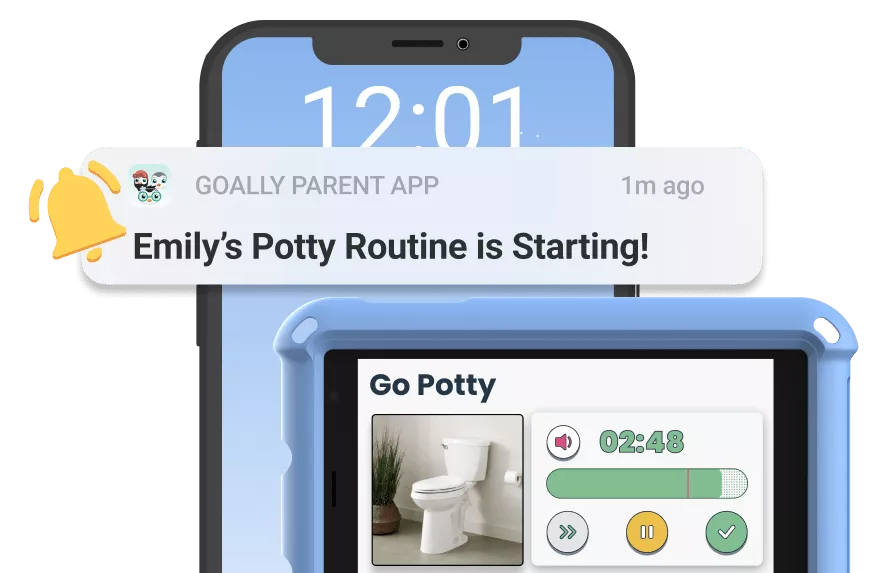
Goally’s skill building tablet for kids has routines that break down large tasks into small, achievable steps. It helps kids complete their tasks independently!
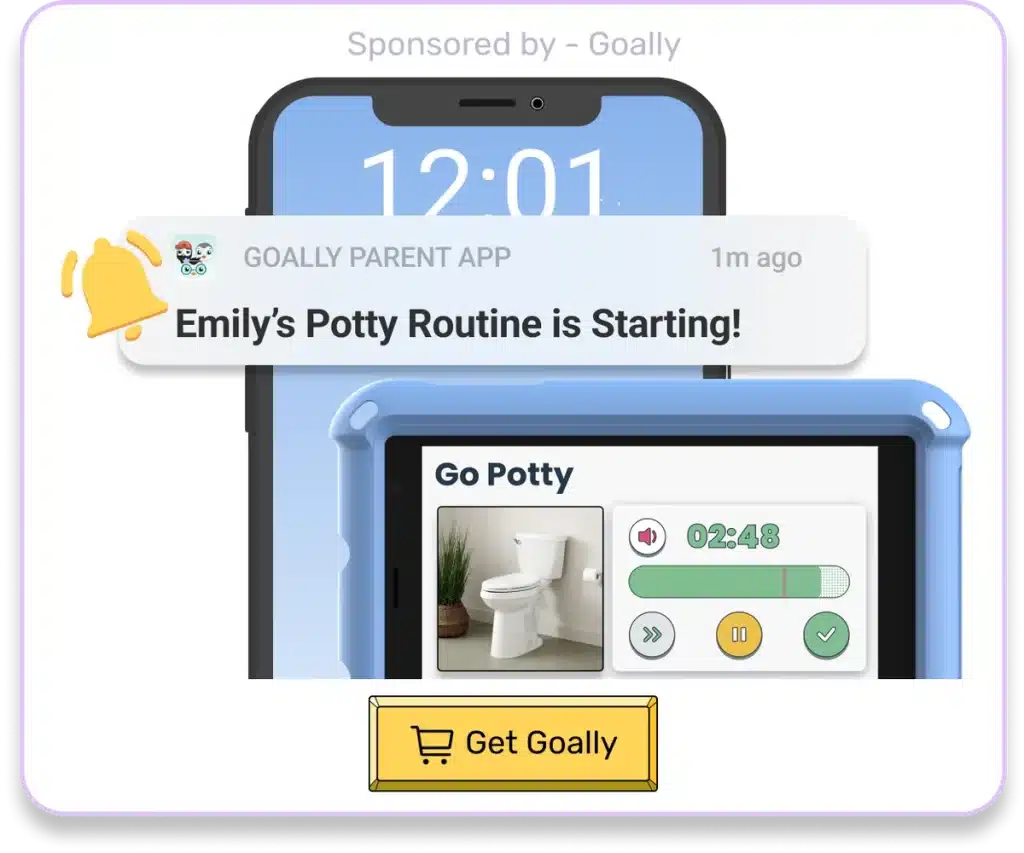
Create custom routines with your own videos & pictures for every step. The steps come in small, bite-sized pieces to help your child learn the little fundamentals (like putting the toothpaste on their toothbrush!) to achieve bigger goals. And that’s just the beginning. See it in action:
Incorporating these visual supports autism strategies has not only helped chidren feel more secure but also improved their daily interactions. Each tool offers unique benefits that cater to different aspects.
Resources:
FAQs About Visual Support Autism
What are visual supports for autism?
Visual supports are tools and strategies that use visual aids to help individuals with autism understand and navigate their environment. They can include things like pictures, symbols, gestures, schedules, and social stories.

How can visual supports benefit individuals with autism?
These can help individuals with autism better understand and communicate their needs, reduce anxiety and challenging behaviors, increase independence and self-regulation, and improve overall functioning in everyday life.

What are some common types of visual supports for autism?
Some common types of visual supports for autism include picture schedules, visual timers, social stories, emotion cards, communication boards, and visual aids for sensory processing.

How do you determine which visual supports are right for an individual with autism?
Choosing the right visual supports for an individual with autism includes: assessing their level of understanding and communication, identifying any challenges or triggers, and involving them in the process of selecting and using visual supports.

Can visual supports be used for individuals with autism of all ages?
Yes, visual supports can be used for individuals with autism of all ages, from young children to adults.
This post was originally published on 02/17/2022. It was updated on 12/4/2024.

Goally
We help parents teach their kids life skills, like doing bedtime and morning independently. Backed by science, we incorporate evidence-based practices and expert-informed designs in all of our apps and content.