Have you ever wondered why your kid seems distant or unresponsive to emotional stimuli? You’re not alone. Many parents grapple with understanding their children’s emotional health, especially when they exhibit emotional detachment. In this blog post, we’ll delve into emotional detachment in kids, offering insights and practical tips to help you navigate this challenging terrain. Plus, we’ve included a handy emotional detachment test towards the end of the blog to help you better understand your child’s emotional health.
Table of Contents
Understanding Emotional Detachment in Kids
Firstly, it’s essential to clarify emotional detachment. In other words, it’s a condition where a person cannot connect, express, or experience emotions like others. For instance, a child with emotional detachment might seem indifferent to the feelings of others, have difficulty expressing their emotions, or struggle to form close relationships.

Read more: Parents Guide | Autism Emotions in Kids
Signs of Emotional Detachment
However, identifying emotional detachment in kids can be complicated. Here are some common signs to look out for:
- Difficulty expressing emotions
- Indifference to others’ feelings
- Struggles with forming close relationships
- Seeming unresponsive or distant
What Causes Emotional Detachment?
Conversely, it’s crucial to understand that emotional detachment can stem from various factors. For example, it could result from traumatic experiences, high-stress levels, or certain mental health conditions. Most importantly, it does not reflect your parenting skills or child’s character.
Supporting Kids with Emotional Detachment
Emotionally detached kids need understanding, patience, and support. Indeed, it can be challenging, but there are strategies you can use to help your child navigate their emotions better.
- Encourage open communication: Let your child know discussing their feelings is okay.
- Seek professional help: Therapists and counselors can provide valuable tools and strategies.
- Be patient: Changes won’t happen overnight, but with time and consistency, improvement is possible.
Goally’s Emotional Detachment Test
Meanwhile, to help you better understand your child’s emotional health, we’ve included an emotional detachment test in this blog post. This quiz provides insights into your child’s emotional well-being and practical tips based on the results. Remember, this test is not a diagnostic tool but a starting point for understanding your child’s emotional health.
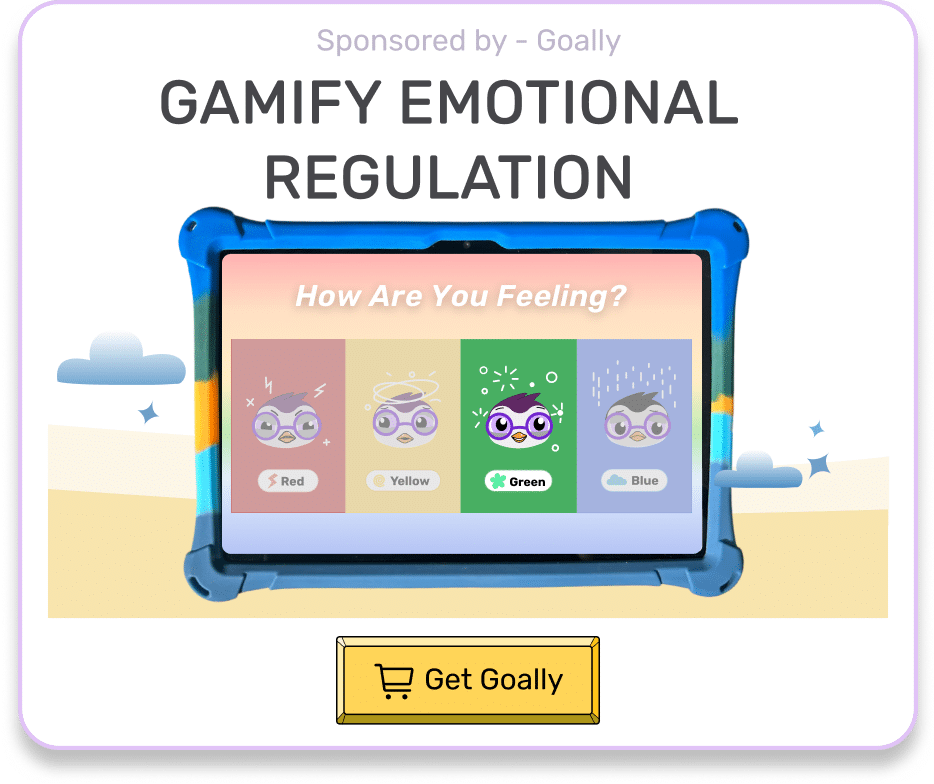
Understanding and supporting a child with emotional detachment can be challenging. However, you can help your child navigate their emotions better with patience, understanding, and the right tools. Consider using Goally’s Skill Building Tablet, a practical tool designed to help kids with thinking and learning differences develop essential life skills. Remember, you’re not alone in this journey; there’s always help and support available.

Goally
We help parents teach their kids life skills, like doing bedtime and morning independently. Backed by science, we incorporate evidence-based practices and expert-informed designs in all of our apps and content.