Navigating the schoolyard can feel like a minefield for your little ones, mainly when bullies lurk in the shadows. As a professional who works closely with children, I understand the worry that consumes you when your child faces a bully. In this blog post, we’ll explore how to deal with bullies at school, offering practical advice, proven strategies, and actionable steps to empower your child. We’ll delve into understanding the bully’s mindset, fostering resilience in your child, and when to step in as a parent. This guide isn’t just a list of tips—it’s a comprehensive roadmap to ensure your child’s school experience is safe, secure, and enjoyable.
Table of Contents
Understanding the Bully’s Mindset
As a professional who works with kids, I can tell you that the first step in dealing with bullies at school is understanding their mindset. Often, these kids are grappling with their own issues — they might be feeling insecure, craving attention, or struggling to manage their emotions. In fact, research suggests that bullies often have a high need for power and control, and they derive satisfaction from inflicting injury and suffering on others. However, this understanding is not about excusing their behavior, but about helping you and your child develop effective strategies.
Building Your Child’s Confidence
One of the most powerful tools you can give your child is confidence. A confident child is less likely to be a target and more likely to stand up for themselves if they are. Here are some ways you can help build your child’s confidence:
- Encourage their interests: Supporting your child in their hobbies and interests can help them build confidence and self-esteem.
- Teach them self-defense: This doesn’t necessarily mean physical defense, but also how to defend themselves verbally, standing up for themselves in a respectful manner.
- Reinforce positivity: Regularly remind your child of their strengths and achievements. This can help them see themselves positively and boost their self-esteem.

Read more: Addressing Bullying and Disability in Schools
Teaching Effective Communication
Another critical step is teaching your child how to communicate effectively. This includes expressing their feelings and talking about their experiences. Here’s how you can help:
- Encourage open dialogue: Let your child know that they can talk to you about anything, especially their fears and concerns.
- Role-play scenarios: This can help your child practice what they can say or do if they encounter a bully.
- Teach them to seek help: Make sure your child knows it’s okay to ask for help from a trusted adult if they’re being bullied.
| Action | Outcome |
|---|---|
| Demonstrating respectful behavior | Enhances awareness of their own boundaries |
| Encouraging them to articulate their needs and limitations | Empowers them to stand firm in challenging situations |
| Practicing saying “no” together | Reinforces their ability to refuse unwanted actions |
When to Step In as a Parent
Despite our best efforts, there may be times when we need to step in as parents. If your child is still struggling with bullies at school, here’s what you can do:
- Document the incidents: Keep a record of each bullying incident, including dates, times, locations, what happened, and who was involved. This can be helpful if you must report the bullying to the school or authorities.
- Report the bullying: If your child’s school is unaware of the bullying, inform them. Provide all the details you’ve documented.
- Follow up: Don’t assume that reporting the bullying will solve the problem. Follow up with the school to find out what actions they’ve taken.
Remember, you’re not alone in this. Many resources are available to help you and your child deal with bullies at school. Above all, your love and support are the most powerful tools in your child’s arsenal.
Goally | Apps That Build Behavior & Life Skills for Kids
Want to keep your child motivated while building essential behavior and life skills? Goally’s skill-building tablet is designed to celebrate small wins and help your child grow. Our Behavior Tracker helps you reward your kid for specific skills, like “being kind” or “flushing the toilet.”
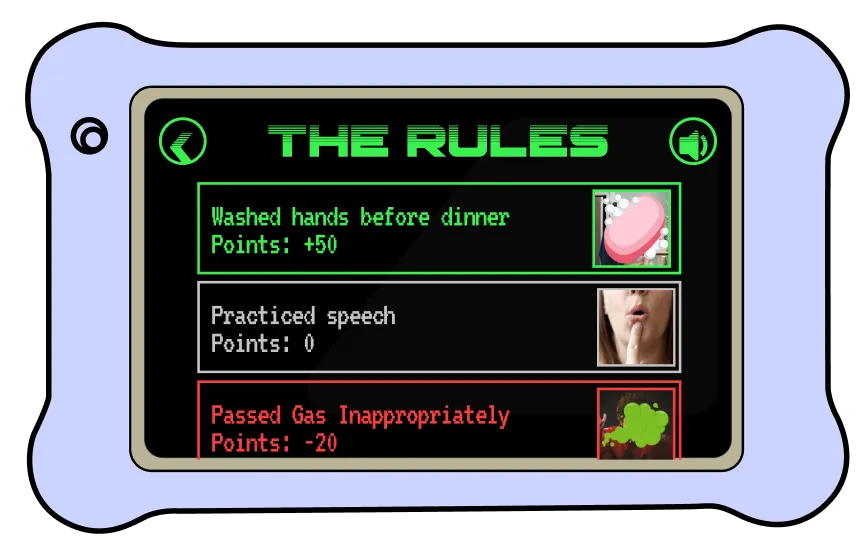
By setting clear expectations and rewarding their efforts, you foster a positive environment for your child to flourish in their behavioral skills journey.
In short, dealing with bullies at school is a multi-faceted challenge that requires understanding, resilience, and action. Understanding the bully’s mindset can help your child navigate their interactions more effectively. Building your child’s confidence and teaching them practical communication skills can equip them to handle bullying situations. And remember, it’s okay to step in as a parent when needed. Keep the lines of communication open, document incidents, and don’t hesitate to report bullying to the school. Above all, remind your child of their worth and let them know they’re not alone — your love and support can make a difference.
FAQ’s About How to Deal With Bullies at School
Why do kids bully others at school?
Kids often bully others due to their own internal struggles, such as feeling insecure, craving attention, or having trouble managing their emotions.

How can I build my child's confidence to deal with bullies?
You can build your child's confidence by encouraging their interests, teaching them self-defense, and reinforcing positivity about their strengths and achievements.

What communication skills can help my child deal with bullying?
Encouraging open dialogue, role-playing scenarios, and teaching your child to seek help from trusted adults can improve their communication skills in dealing with bullying.

When should I step in as a parent if my child is being bullied?
If your child is still struggling despite your efforts, it's time to step in. Document the incidents, report the bullying to the school, and follow up on the actions taken.

What resources are available to help my child deal with bullies at school?
There are many resources available, including counseling services, online forums, and books on dealing with bullying. Your love and support are also invaluable resources for your child.
This post was originally published on 05/25/2023. It was updated on 01/25/2024.

Goally
We help parents teach their kids life skills, like doing bedtime and morning independently. Backed by science, we incorporate evidence-based practices and expert-informed designs in all of our apps and content.