When it comes to managing behavioral challenges, raising an autistic child can sometimes feel like navigating a ship through uncharted waters. You’re not alone in this journey, and today, we’ll be exploring one of the most common challenges parents face – how to discipline an autistic child for hitting. This blog post will offer you practical strategies, backed by credible research, to address this issue. We’ll cover everything from understanding the root cause of hitting to implementing positive reinforcement. So, whether you’re looking for immediate solutions or long-term strategies, this post will serve as your comprehensive guide.
Table of Contents
Step 1: Understand the Why
Before we delve into the hows, let’s discuss the whys. Kids with special needs, especially those on the autism spectrum, often resort to hitting due to sensory overload, frustration, or communication difficulties. Their world is a whirlwind of stimuli they’re trying to make sense of. And that’s tough, you know? So, when they hit, it’s not because they’re “bad” — they’re just trying to express what they can’t put into words.
Step 2: Be Gentle Yet Firm
When dealing with a situation where your child is hitting, the first thing to remember is to be gentle. Kids with autism may not understand the consequences of their actions. It’s crucial to avoid physical or verbal punishment. Instead, try to communicate your disapproval clearly. Use plain language and directives. For instance, instead of saying, “We don’t hit,” you could say, “Hands are for helping, not hitting.”

Read more: How To Stop a Child From Hitting a Parent
Step 3: Set Clear Expectations
Setting clear expectations is another effective strategy. Help your child understand what behaviors are acceptable and what aren’t. This requires patience on your part, as your child may not grasp these concepts immediately. But remember, consistency is key. Your child may push back initially due to the change, but with consistent reinforcement, they’ll start to understand.
Step 4: Teach Self-Calming Techniques
Teaching self-calming techniques can also be a game-changer. Some children with autism can learn methods to regain control when they start to feel overwhelmed. This could be as simple as taking deep breaths, counting to ten, or using a stress ball. Practice these techniques with your child during calm moments so they can use them when needed.

Step 5: Provide Sensory Input
Providing sensory input is another strategy that can help. Sometimes, children with autism hit because they’re seeking sensory stimulation. You can try squeezing your child’s hands, feet, or head. You can also try a bear hug, rolling a therapy ball over them, or encouraging them to jump on a trampoline. These activities can give them the sensory input they crave, reducing the likelihood of them hitting to seek it.
Step 6: Redirect Their Communication
Redirecting their communication can also be effective. If your child usually hits you to get your attention, you can instead instruct them to tap you on the arm and say, “Excuse me.” This not only prevents hitting but also teaches them a more socially acceptable way to communicate their needs.

Read more: Why Does My Toddler Hit Me but Not Daddy?
Step 7: Offer an Alternative
Finally, offering an alternative can be a useful strategy. If your child hits you, you can try stepping out of the way so they can’t reach you. You can also try offering them something else to hit, like a ball or a drum. This allows them to express their feelings physically without hurting anyone.
Goally | Apps That Build Behavior & Life Skills for Kids
Want to keep your child motivated while building essential behavior and life skills? Goally’s skill-building tablet is designed to celebrate small wins and help your child grow. Our Behavior Tracker helps you reward your kid for specific skills, like “being kind” or “flushing the toilet.”
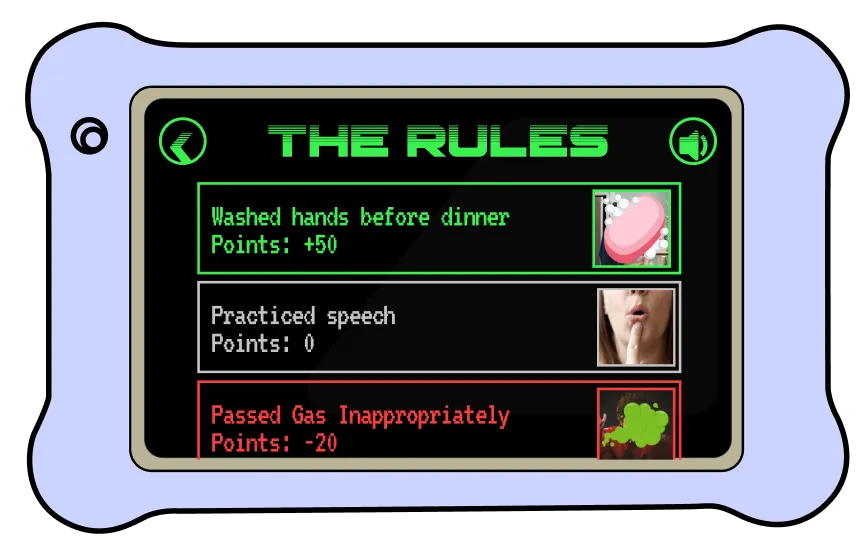
By setting clear expectations and rewarding their efforts, you foster a positive environment for your child to flourish in their behavioral skills journey.
To Wrap Up
In wrapping up, remember that disciplining a neurodivergent child for hitting isn’t about punishment, but about teaching and guiding. It’s about clear communication, setting expectations, being consistent, teaching self-calming techniques, providing sensory input, redirecting their communication, and offering alternatives. Each child is unique, so some trial and error may be needed to find what works best for your child. But with patience, persistence, and a gentle approach, you can help your child learn healthier ways to express themselves and navigate their world.
Resources:
- Autism Speaks – A comprehensive resource offering a wealth of information on autism, including strategies for managing challenging behaviors.
- Autism Research Institute – Provides research-based information and resources for parents and professionals.
- Autism Society – Offers a variety of resources on understanding and managing autism, including tips for handling challenging behaviors.
FAQs about How To Discipline Autistic Child For Hitting
1. Why does my autistic child resort to hitting?
Autistic children may resort to hitting when they're overwhelmed or unable to communicate their needs effectively. It's important to identify the triggers and teach them more appropriate ways to express their feelings.

2. How can I prevent my child from hitting others?
Preventing hitting involves clear communication of expectations, consistent discipline, and teaching self-calming techniques. Providing appropriate sensory input and offering alternatives to hitting can also be helpful.

3. Is physical punishment effective for an autistic child who hits?
Physical punishment is generally not recommended as it can escalate aggression and doesn't teach alternative behaviors. Instead, focus on teaching your child appropriate ways to express their feelings and needs.

4. How can I teach my autistic child self-calming techniques?
Self-calming techniques can be taught through modeling, practice, and reinforcement. These can include deep breathing, counting, or using a fidget toy.

5. What should I do if my child hits me to get my attention?
If your child hits to get your attention, try redirecting this behavior. Teach them to tap you on the arm and say "excuse me" instead of hitting.
This post was originally published on 04/11/2023. It was updated on 03/7/2024.

Goally
We help parents teach their kids life skills, like doing bedtime and morning independently. Backed by science, we incorporate evidence-based practices and expert-informed designs in all of our apps and content.