It’s bedtime, and your child with ADHD is struggling to fall asleep. You might wonder, “Does ADHD get worse with lack of sleep?” The answer is yes, and understanding this connection is crucial for your child’s well-being. In this post, we’ll discuss the link between sleep and ADHD, the effects of sleep deprivation, and offer helpful tips to ensure your child gets the rest they need. So, let’s tackle those sleepless nights together!
Table of Contents
Understanding the Sleep-ADHD Connection
Kids with ADHD often have more trouble with sleep than other kids. In fact, up to 70% of children with ADHD have problems sleeping. But why does this happen? There are a few reasons, like:
- Having a hard time falling asleep because of too many thoughts or feeling too active
- Not sleeping well because of ADHD medications
- Having other sleep issues, such as sleep apnea or restless legs syndrome
Now let’s answer the big question: “Does ADHD get worse with lack of sleep?” Yes, it does. When kids don’t get enough sleep, their ADHD symptoms can get worse. This makes it harder for them to pay attention, control their feelings, and behave well.

Read More: Best Sleep App for Kids
What Happens When Kids with ADHD Don’t Get Enough Sleep?
When kids with ADHD don’t sleep enough, it doesn’t just make their ADHD symptoms worse. There are other problems, too. Here are some things that can happen when kids don’t get enough sleep:
- Thinking gets harder: Not enough sleep can make it tough to remember things, solve problems, and make good choices.
- Feelings are harder to control: Kids who don’t sleep well might have mood swings, get angry easily, and have emotional outbursts.
- Making friends is more difficult: Sleepy kids can have a harder time understanding social cues and getting along with others.
- Grades might go down: Studies show that kids who don’t sleep enough can have a harder time in school, with lower grades and a higher chance of learning problems.
- Health can suffer: Not getting enough sleep over a long time can lead to weight gain, a weak immune system, and other health issues.
To better understand the impact of sleep deprivation on children with ADHD, take a look at this table:
| Consequences | Effects on Kids with ADHD |
|---|---|
| Cognitive Functioning | Poor memory, problem-solving, and decision-making abilities |
| Emotional Regulation | Mood swings, irritability, and emotional outbursts |
| Social Skills | Difficulty picking up on social cues and interacting effectively with peers |
| Academic Performance | Lower grades and increased risk of learning disabilities |
| Physical Health | Obesity, weakened immune system, and other health problems |
Read More: Does ADHD Affect A Child's Sleep?
How to Help Your Child with ADHD Sleep Better
Now that we know how important sleep is for kids with ADHD, let’s talk about ways to help them get the rest they need. By following these tips, you can help your child build healthy habits and achieve better sleep:
Have a Regular Sleep Schedule
Having a set bedtime and wake-up time can help your child’s body know when it’s time to sleep and wake up. Try to keep the same schedule even on weekends. Consistency is key, so make sure your child sticks to the routine as much as possible.
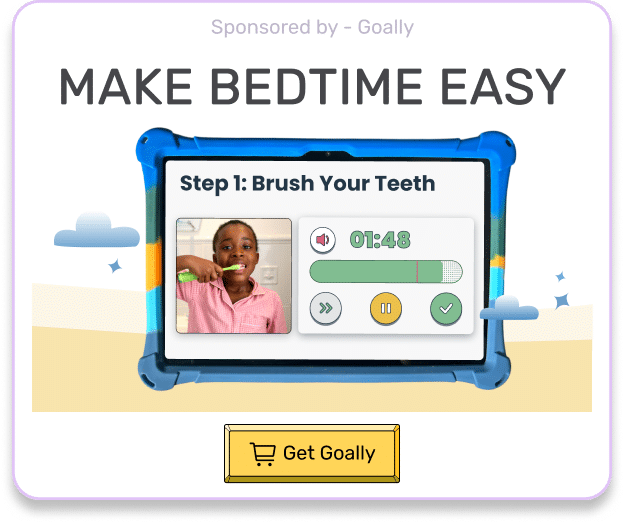
Customize visual schedules that teach kids independence. No more nagging, no more stress.
Make a Calming Bedtime Routine
Help your child relax before bed with quiet activities, like reading a book, taking a warm bath, or doing deep breathing exercises. Avoid screens and exciting activities in the hour before bedtime. Creating a calming atmosphere will signal to your child that it’s time to wind down and prepare for sleep.

Read More: How to Put a Kid to Sleep in 40 Seconds
Make the Bedroom Sleep-Friendly
Make sure your child’s room is good for sleeping by keeping it cool, quiet, and dark, and having a comfy mattress and pillows. You can also use blackout curtains and white noise machines to block out any distractions that might keep your child awake. A peaceful environment will promote better sleep.
Encourage Exercise
Playing and moving around can help kids with ADHD use up extra energy and sleep better. Help your child find fun activities they like, such as swimming, biking, or playing sports. Regular exercise not only improves sleep but also has numerous physical and mental health benefits for your child.
However, avoid intense exercise close to bedtime, as it can make it harder for your child to fall asleep. Instead, opt for gentler activities like stretching or yoga in the evening.
Check for Sleep Disorders
If you think your child might have a sleep disorder, talk to a doctor who can help figure out what’s going on and suggest treatments. Sleep disorders can greatly impact your child’s quality of life, so it’s essential to address them as soon as possible.
Watch Medication Timing
Some ADHD medicines can make it harder for kids to sleep. If your child has trouble sleeping, talk to their doctor about adjusting the time or amount of medicine they take. The right medication schedule can make a significant difference in your child’s sleep quality.
Try Goally For Your Child With ADHD
Goally is an excellent option for many families that have a child with ADHD. Use game play as a points-based motivator for your kiddo with ADHD, help them learn emotional regulation skills, and watch them grow! It’s simple to set up and has an expert-informed design.
Wrapping Up: Making Sleep a Priority for Your Child With ADHD
So, does ADHD get worse with lack of sleep? It sure does. Sleep is very important for all kids, especially those with ADHD. By focusing on sleep and using the tips in this post, you can help your child get better rest and improve their overall well-being.
FAQs About Does ADHD Get Worse With Lack of Sleep?
What is the relationship between ADHD and sleep problems?
Children with ADHD often experience sleep problems, including difficulty falling asleep, restlessness during sleep, and shorter sleep duration.
How does lack of sleep affect children with ADHD?
Lack of sleep can augment ADHD symptoms in children, including impulsivity, attention difficulties, and hyperactivity.
Are there strategies to help children with ADHD get better sleep?
Yes, strategies can include maintaining a consistent nighttime routine, limiting screen time before bed, and providing a calm, quiet sleep environment.
Can medication for ADHD affect a child's sleep?
Yes, certain ADHD medications can cause sleep disturbances. It's important to discuss this with your child's healthcare provider.
How can a visual schedule help children with ADHD improve their sleep?
A visual schedule can establish a predictable bedtime routine for children with ADHD, which can help them relax.
This post was originally published on 05/03/2023. It was updated on 09/20/2023.

Goally
We help parents teach their kids life skills, like doing bedtime and morning independently. Backed by science, we incorporate evidence-based practices and expert-informed designs in all of our apps and content.