Working with kids is a rewarding and enlightening experience. I often see children showing behaviors that make their parents concerned and unsure. One of the conditions that frequently raises questions is Oppositional Defiant Disorder (ODD). Understanding the signs of ODD can help you better support your child and seek the right interventions. In this blog post, I’ll walk you through five key signs of ODD in children, based on my professional experience and supported by research.
Table of Contents
1. Frequent Temper Tantrums
Frequent temper tantrums are one of the most recognizable signs of ODD. Kids with ODD often have outbursts that are intense and frequent. These tantrums can occur multiple times a day and are more severe than what you might expect for a child’s age. For example, imagine your child reacting with extreme anger and frustration over minor issues, like being asked to clean their room. This isn’t just typical childhood defiance; it’s a pattern of behavior that’s consistent and persistent.

Read more: ODD Behavior Chart for Kids
2. Arguing with Adults
Children with ODD often argue with adults, especially with parents and teachers. This isn’t the occasional back-and-forth you might have with your child over homework or bedtime. It’s a consistent pattern of challenging authority. They might frequently question rules, refuse to comply with requests, and often talk back. This behavior can be exhausting for parents and disruptive in settings like school.
3. Blaming Others for Mistakes
Children with ODD often struggle to take responsibility for their actions, instead blaming others for their mistakes or misbehavior. They may make excuses, deny wrongdoing, or shift the blame to siblings, friends, or even inanimate objects. This tendency can make it difficult for kids with ODD to learn from their experiences and develop problem-solving skills.
As a practitioner, I encourage parents to model accountability and help their children practice taking responsibility in age-appropriate ways. This might involve role-playing scenarios or using “I” statements to express feelings and ownership of actions.
Best Behavior Tracking App:
Give your kid an independent future for less than $1/day. Goally has 15+ learning apps that teach life skills.
4. Easily Annoyed and Resentful
Kids with ODD may be easily annoyed by others and often hold grudges or feel resentful. They may interpret neutral or even positive interactions as negative, leading to increased frustration and anger. This hypersensitivity can make it challenging for children with ODD to maintain friendships and engage in cooperative play.
In my experience, teaching emotion regulation strategies and perspective-taking skills can be beneficial for children with ODD. Techniques like deep breathing, progressive muscle relaxation, and cognitive reframing can help kids manage their emotional responses and develop empathy for others.

Read more: ADHD Anger Issues in Kids
5. Vindictive or Spiteful Behavior
In some cases, children with ODD may engage in vindictive or spiteful behavior, seeking to “get even” with those they feel have wronged them. This might involve physical aggression, verbal attacks, or attempts to damage property or relationships. Such behavior can be alarming for parents and may require professional intervention.
It’s essential to remember that while these behaviors are challenging, they are not a reflection of poor parenting or a child’s inherent character. ODD is a complex condition influenced by a combination of genetic, environmental, and developmental factors. Early identification and intervention can make a significant difference in helping children with ODD develop coping skills and improve their overall well-being.
Goally | Apps That Build Behavior & Life Skills for Kids
Want to keep your child motivated while building essential behavior and life skills? Goally’s skill-building tablet is designed to celebrate small wins and help your child grow. Our Behavior Tracker helps you reward your kid for specific skills, like “being kind” or “flushing the toilet.”
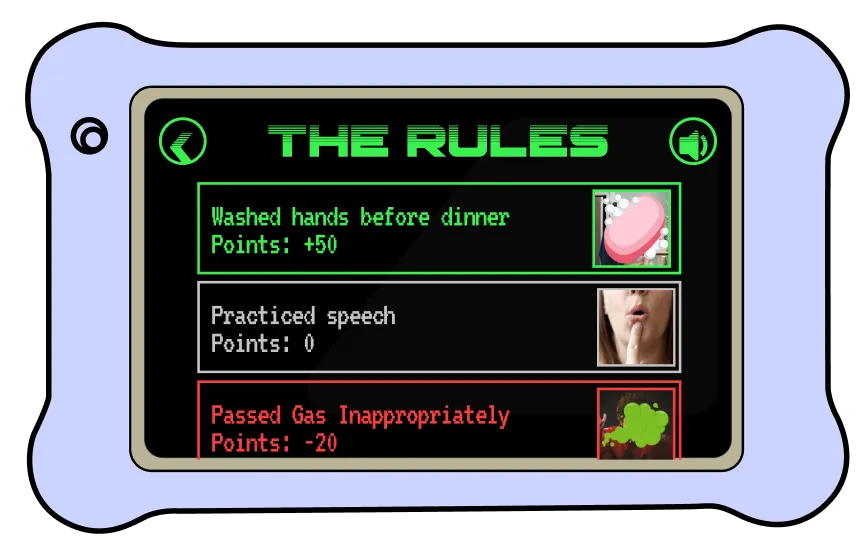
By setting clear expectations and rewarding their efforts, you foster a positive environment for your child to flourish in their behavioral skills journey.
Recognizing the signs of ODD is an important first step in supporting your child and seeking appropriate resources. If you notice a persistent pattern of defiant, argumentative, and angry behavior, it may be time to consult with a pediatrician or mental health professional. With patience, understanding, and evidence-based interventions, children with ODD can learn to manage their emotions, build positive relationships, and thrive.
Resources:
FAQs about Signs of ODD
What is the difference between typical defiance and ODD?
While all children can be defiant at times, kids with ODD display a persistent pattern of angry, argumentative, and disobedient behavior that lasts for at least six months. The severity and frequency of these behaviors are much higher than what is typically expected for the child's age and developmental stage.

Can ODD be diagnosed in preschool-aged children?
Yes, ODD can be diagnosed in children as young as preschool age. However, it's essential to consider the child's developmental level and ensure that the behaviors are not a result of other factors such as language delays, trauma, or unmet needs.

Is ODD more common in boys or girls?
Studies suggest that ODD is more prevalent in boys than girls, with some estimates indicating that boys are up to twice as likely to be diagnosed with the disorder. However, it's important to note that girls with ODD may display different symptoms than boys, such as relational aggression rather than physical aggression.

Can ODD co-occur with other mental health conditions?
Yes, ODD often co-occurs with other mental health conditions such as Attention-Deficit/Hyperactivity Disorder (ADHD), anxiety disorders, and depression. In fact, research indicates that up to 50% of children with ODD also have ADHD.

What should I do if I suspect my child has ODD?
If you suspect your child may have ODD, the first step is to talk to your pediatrician or a mental health professional who specializes in working with children. They can conduct a comprehensive evaluation and provide an accurate diagnosis, as well as recommend appropriate treatment options tailored to your child's needs.
This post was originally published on 05/24/2023. It was updated on 06/05/2024.

Goally
We help parents teach their kids life skills, like doing bedtime and morning independently. Backed by science, we incorporate evidence-based practices and expert-informed designs in all of our apps and content.