Are you finding yourself pulling your hair out, desperately trying to decipher the secret code behind your toddler’s tantrums? Well, buckle up because we’ve got just the ticket for worried parents like you! In this guide, we’ll explore five crucial signs that may be cause for concern when it comes to “toddler tantrums when to worry.” As caregivers and parents of neurodivergent kids, it’s essential to differentiate between a typical meltdown and something more alarming. So let’s dive right in and help you become an expert in navigating those stormy waters with confidence!
Table of Contents
Duration: A Marathon or a Sprint?
While it’s entirely normal for toddlers to have occasional meltdowns, one crucial factor you should consider is the duration of these episodes. Tantrums that last for an unusually extended period might warrant further investigation into their triggers and potential underlying issues.
Quick Tip: If you worry because your toddler’s tantrums consistently exceed 15-20 minutes, it might be time to consult with a professional.

Intensity: The Eye of the Storm
Another essential aspect when differentiating between typical tantrums and those raising red flags is their intensity level! If your little one’s outbursts escalate too quickly – think inconsolable crying or aggressive behavior – this could signify something more concerning than just a rough day at preschool. This may be when to worry about your toddler’s tantrums.
Quick Tip: Observe if your child has difficulty calming down from intense emotions. See if this is true even after being comforted by you or other adults around them.

Frequency: Should You Be Counting Down to the Next One?
The frequency at which your toddler experiences tantrums can also provide vital information about potential causes for concern in neurodivergent kids and kids with thinking and learning differences alike! Frequent outbursts may indicate struggles with self-regulation skills. They may also indicate sensory processing difficulties, or social communication challenges that warrant further evaluation by a specialist. Read more about managing your child’s temper tantrums.
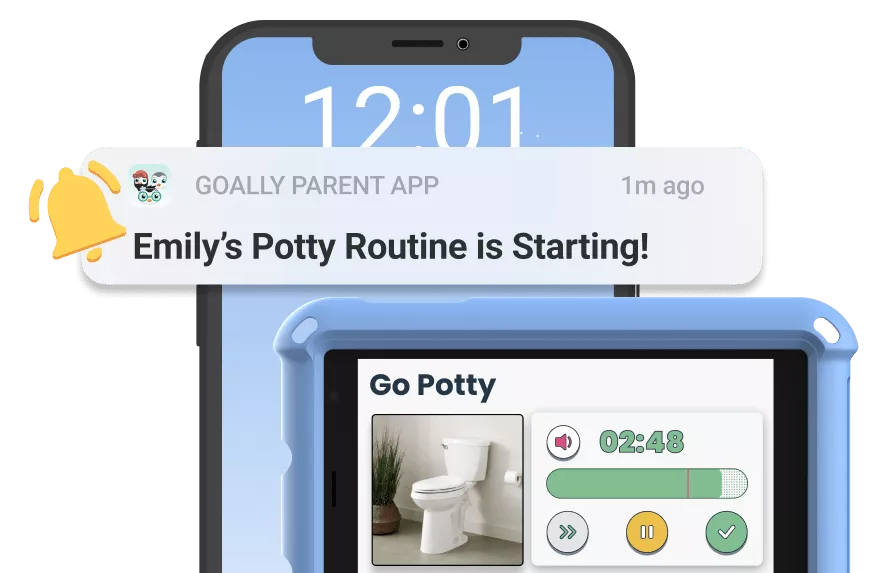
Quick Tip: Keep track of how often tantrums occur during daily routines and note any patterns you observe over time. Goally’s learning tablet for kids can be a great asset in monitoring these patterns!
Age Factor: Growing Out or Growing Concerns?
As children grow and develop, it’s natural for tantrums to subside. However, if your toddler is entering their preschool years and still exhibiting frequent, intense meltdowns that are out of step with their age group, it may be a sign to explore potential developmental issues or emotional challenges.
Quick Tip: Pay attention to how your child’s tantrums compare with those of same-aged peers during play dates or social engagements.

Impact on Daily Life: Is It Stopping Your World?
Finally, consider the impact these tantrums have on your family’s daily life! Are they significantly disrupting routines and causing undue stress? If so, it might be time to seek professional guidance in managing these challenging episodes effectively for both you and your child.
Quick Tip: Remember that reaching out to a specialist doesn’t mean you’re failing as a parent – instead, consider it an opportunity to learn new strategies from experts like Goally, who share actionable advice targeted at helping little ones through their emotional journey!
Goally | Apps To Support Child Development
Looking for fun ways to help your child learn life skills? Try Goally! The Goally tablet comes with award-winning learning apps and video classes to help kids develop the skills they need to become independent with FUN & evidence-based practices.

Our apps teach executive function, language, emotional regulation, finger dexterity skills, and more.
As your child develops new skills, you can increase the difficulty level of the tasks in the app to challenge and motivate them even further. This helps your child grow and progress at their own pace, while also keeping them engaged and excited about their development.

And there you have it – five key indicators to help you navigate the sometimes stormy seas of toddler tantrums! By paying close attention to factors like duration, intensity, frequency, age appropriateness & overall impact on daily life, you can gain better insights into when it’s time to worry or seek professional support. Remember that every child is unique. And as parents or caregivers of neurodivergent kids your nurturing guidance can make a world of difference in helping them flourish!
FAQs About Signs Your Toddler’s Tantrums Are Cause for Concern
What are toddler tantrums?
Toddler tantrums are emotional outbursts commonly seen in children aged 1 to 3. These outbursts involve behaviors like crying, screaming, and sometimes, physical actions like kicking.
When should I start worrying about my toddler's tantrums?
Concern should arise if tantrums become frequent, last longer than 15 minutes, or involve dangerous behaviors such as self-harm or harm to others.
Are toddler tantrums a sign of a more significant issue?
Tantrums are generally a normal part of development. Still, excessive or violent tantrums can sometimes indicate underlying emotional or developmental issues.
How can I manage my toddler's tantrums?
The key is to remain calm, validate your child's feelings, and use tools like visual schedules or emotional regulation apps to help manage behavior.
What should I avoid doing during a toddler tantrum?
Avoid yelling, giving in to demands, or punishing your child during a tantrum, as it may escalate the situation or reinforce negative behavior.
This post was originally published on 04/06/2023. It was updated on 09/10/2023.

Goally
We help parents teach their kids life skills, like doing bedtime and morning independently. Backed by science, we incorporate evidence-based practices and expert-informed designs in all of our apps and content.