When you first learn that your daughter has autism, it can feel like you’re stepping into uncharted territory. You may be filled with questions, concerns, and a desire to understand and support her in the best way possible. This post is here to help you navigate this journey with confidence. We’ll explore the world of autism, discuss strategies for communication and learning, and provide resources to empower both you and your daughter. Let’s begin by shedding light on what autism is and how it may present in your child.
Table of Contents
Understanding Autism
Autism, or Autism Spectrum Disorder (ASD), is a neurodevelopmental condition that affects how someone communicates, interacts, and perceives the world around them. It’s called a spectrum because it presents differently in each individual. For instance, some kids with autism may have difficulty with social interactions, while others may excel in different areas, such as math or music.
Goally | Visual Scheduler for Autism
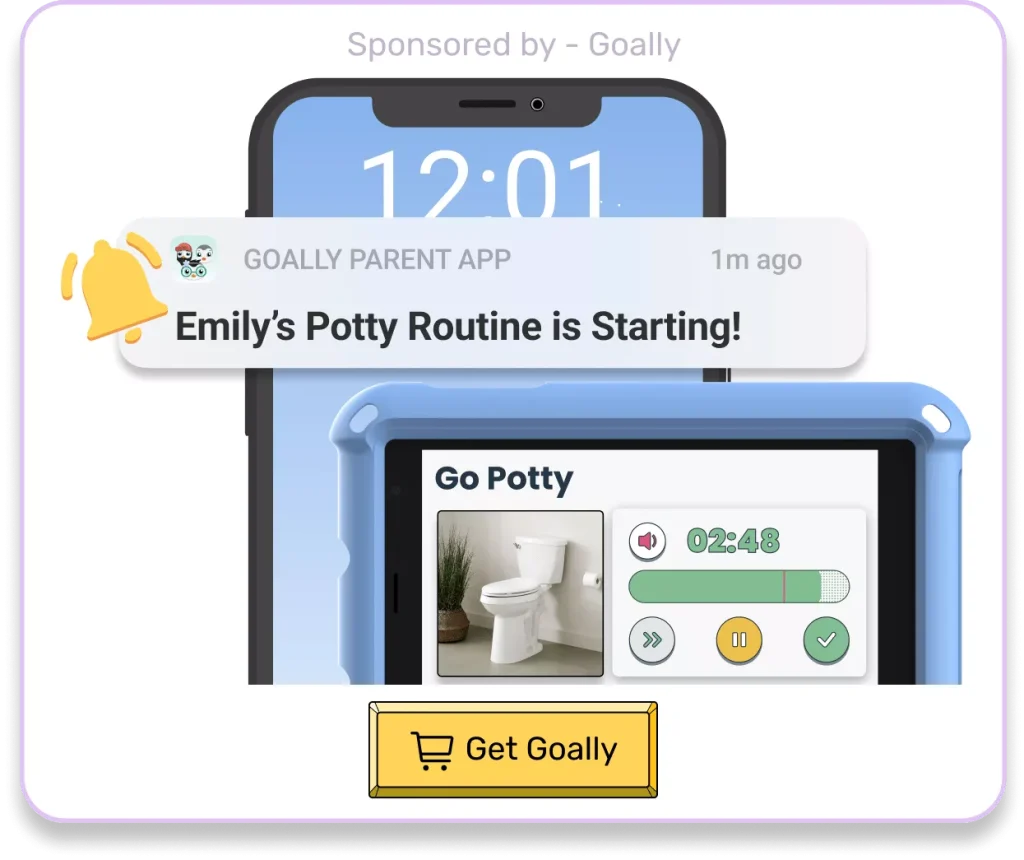
Does your child struggle with getting ready in the morning independently? Goally’s routine app on the best tablet for kids breaks down large tasks into small, achievable steps for autistic kids. Create custom routines with your own videos & pictures for every step.
Common Signs and Symptoms
While every child is unique, there are some common signs and symptoms that may show your daughter has autism. These can include:
- Difficulty with verbal and non-verbal communication
- Challenges in social interactions
- Repetitive behaviors or interests
- Sensory sensitivities
It’s important to remember that these symptoms can be different in severity and can change over time. Early intervention is crucial for supporting your daughter’s development, so if you suspect she may have autism, consult with a healthcare professional for a proper evaluation.
Strategies for Communication and Learning
Effective communication is key to supporting your daughter’s growth and development. Here are some strategies to help you connect with her and foster her learning:
1. Use Visual Supports
Many kids with autism are visual learners, so incorporating visual aids can be beneficial. For example, use picture schedules, social stories, or visual cues to help your daughter understand routines and expectations.

Read more: Child Autism Test
2. Simplify Language
Keep your language simple and direct when speaking with your daughter. Use short sentences, clear instructions, and concrete examples to help her grasp concepts more easily.
3. Encourage Social Skills
Help your daughter develop social skills by providing opportunities for interaction with peers and modeling appropriate behaviors. Role-playing, social skills groups, and structured playdates can be great ways to practice these skills.
4. Create a Structured Environment
Establishing routines and a predictable environment can help your daughter feel more secure and focused. Consistency is key, so try to maintain a regular schedule and provide clear expectations for daily activities.

Read more: Visual Schedule Apps
Resources for Parents and Caregivers
As a parent, it’s essential to educate yourself about autism and seek support from professionals and other families. Here are some resources to assist you on your journey:
- Autism Society: This organization offers information, resources, and support for families affected by autism. Visit their website for educational materials, local chapters, and advocacy initiatives.
- National Autism Association: This group provides resources, support, and advocacy for individuals with autism and their families. They offer a variety of programs, including safety initiatives and financial assistance for therapy.
- Parent-to-Parent Programs: Connecting with other parents who have children with autism can be invaluable. Many organizations offer parent-to-parent support programs where you can share experiences, advice, and encouragement.
- Online Communities: There are numerous online forums and social media groups dedicated to supporting families affected by autism. These platforms can be an amazing way to connect with other parents, ask questions, and share resources.
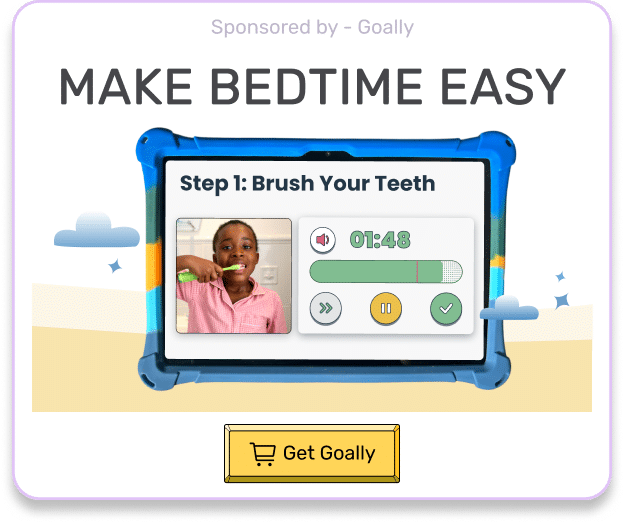
Goally | For Kids Who Hate Bedtime 😴😡
In Conclusion
Discovering that your daughter has autism may be challenging, but with understanding, support, and the right resources, you can help her thrive. By educating yourself, implementing effective communication strategies, and seeking assistance from professionals and other families, you’ll be well-equipped to navigate this journey together. Remember, you’re not alone – there are countless parents and caregivers who have walked this path before you, and their experiences can provide valuable guidance and encouragement.
FAQ’s About My Daughter Has Autism
What is autism?
Autism is a neurodevelopmental disorder that affects social interaction, communication, and behavior.
What are the common signs and symptoms of autism in children?
Common signs of autism in children include difficulties with social interaction, repetitive behaviors, communication challenges, and sensory sensitivities.
How can I support my child with autism at home?
You can support your child with autism at home by creating a structured environment, using visual supports, providing clear communication, and offering opportunities for sensory regulation.
Are there any therapies or interventions that can help children with autism?
Yes, various therapies and interventions such as Applied Behavior Analysis (ABA), speech therapy, occupational therapy, and social skills training can be beneficial for children with autism.

How can I find resources and support for my child with autism?
You can find resources and support for your child with autism by connecting with local autism organizations, seeking guidance from pediatricians or developmental specialists, and accessing online communities and forums.
This post was originally published on 05/29/2023. It was updated on 09/06/2023.

Goally
We help parents teach their kids life skills, like doing bedtime and morning independently. Backed by science, we incorporate evidence-based practices and expert-informed designs in all of our apps and content.