Picture a child so engrossed in their favorite activity that the world around them fades away. That’s the power of autistic hyperfixation, a common trait among neurodivergent kids. In this blog post, we’ll explore the ins and outs of autistic hyperfixation, its benefits and challenges, and how you, as a parent, can support your child in harnessing this unique ability. We’ll also discuss strategies to maintain a healthy balance between hyperfixation and other aspects of life. So, let’s embark on this journey to better understand and appreciate your child’s intense interests.
Table of Contents
What is Autistic Hyperfixation?
Autistic hyperfixation refers to the intense, focused interest that many kids with autism spectrum disorder (ASD) develop in specific subjects or activities. These interests can range from trains, dinosaurs, and video games to more abstract concepts like numbers or patterns. While hyperfixation can be seen as a positive trait, it’s essential to understand its nuances and potential challenges.
Benefits of Autistic Hyperfixation
There are several advantages to autistic hyperfixation that can help your child grow and develop. Some of these benefits include:
- Passion and expertise: Kids with hyperfixation often become experts in their chosen fields, accumulating vast knowledge and skills. This expertise can lead to future career opportunities and a sense of accomplishment.
- Stress relief: Engaging in a hyperfixation can provide a sense of comfort and relaxation for neurodivergent kids, helping them cope with stress and anxiety.
- Social connections: Sharing their interests with others can help kids with ASD build friendships and social connections based on common ground.
However, on the other hand, there are also challenges that come with autistic hyperfixation that parents should be aware of.

Read More: Common Habits of Autism
Challenges of Autistic Hyperfixation
While there are benefits to autistic hyperfixation, it’s important to recognize the potential challenges that may arise. Some of these challenges include:
- Imbalance: Spending excessive time on a hyperfixation can lead to an imbalance in other areas of life, such as schoolwork, family time, and self-care.
- Social isolation: If a child’s interests are too narrow or uncommon, they may struggle to connect with peers who don’t share their passion.
- Transition difficulties: Kids with ASD sometimes find it difficult to shift their focus from their hyperfixation to other tasks, leading to frustration and meltdowns.
Now that we’ve explored the benefits and challenges of autistic hyperfixation, let’s discuss how you can support your child in harnessing this unique ability while maintaining a healthy balance in their lives.
Supporting Your Child’s Autistic Hyperfixation
As a parent, you can play a crucial role in helping your child harness the power of their hyperfixation while maintaining a healthy balance. Here are some strategies to consider:
1. Encourage Exploration
Firstly, support your child’s interests by providing resources and opportunities to learn and engage with their chosen subject. This could include books, documentaries, toys, or even visits to museums and exhibitions. Encouraging exploration can help your child develop a well-rounded understanding of their passion.
For example, if your child is interested in trains, you could:
- Visit train museums or exhibits
- Watch documentaries about trains
- Read books on the history of trains
- Build model trains together
2. Set Boundaries
While it’s essential to support your child’s interests, it’s equally important to set boundaries. Establish clear expectations for when and how long they can engage in their hyperfixation, ensuring they have time for other activities, such as schoolwork, family time, and self-care.
Some ways to set boundaries might include:

Read more: Theory of Mind Autism | Things to Know
- Creating a daily schedule with designated time for their hyperfixation
- Setting limits on screen time related to their interest
- Encouraging breaks and participation in other activities
3. Foster Social Connections
Help your child connect with others who share their interests. This could involve joining clubs, attending events, or participating in online forums. Building social connections based on shared passions can help your child develop essential social skills and a sense of belonging.
For instance, you could:
- Find local clubs or groups related to their interest
- Attend events or conventions where they can meet others with similar passions
- Connect with online communities or forums dedicated to their interest
Read More: 5 Ways to Help Your Socially Withdrawn Child
4. Teach Flexibility
Teach your child to be flexible and open to new experiences. Encourage them to explore other interests and hobbies, and help them understand that it’s okay to shift their focus from time to time. This will help them develop adaptability and resilience.
Some ways to teach flexibility might include:
- Introducing new activities or hobbies
- Encouraging participation in family activities
- Discussing the importance of balance and adaptability
5. Collaborate with Educators
Work closely with your child’s teachers and therapists to ensure they understand your child’s hyperfixation and its impact on their learning. Collaborate on strategies to integrate their interests into the curriculum and develop individualized learning plans that cater to their unique needs.
Ways to collaborate with educators might include:
- Sharing information about your child’s interests and hyperfixation
- Discussing strategies to incorporate their interests into lessons
- Developing an individualized education plan (IEP) that addresses their needs
Goally | Apps To Support Child Development
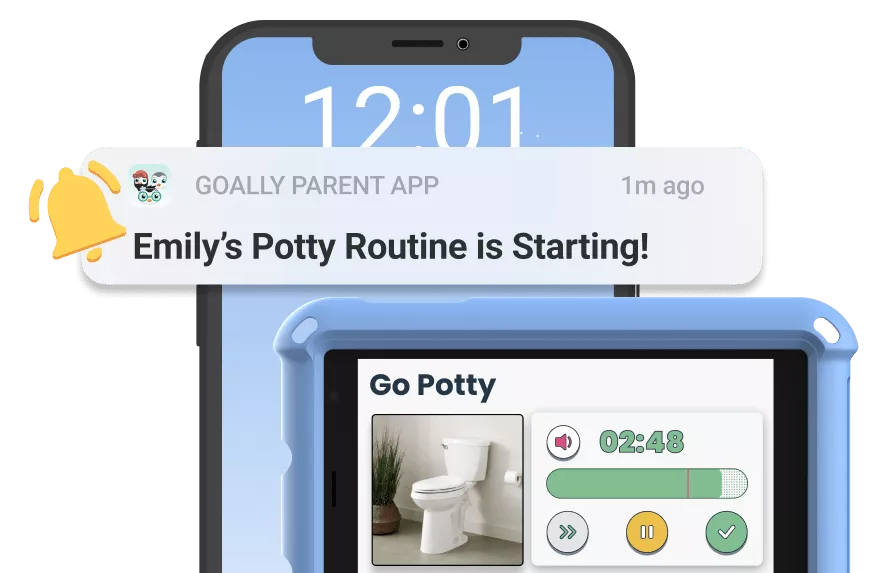
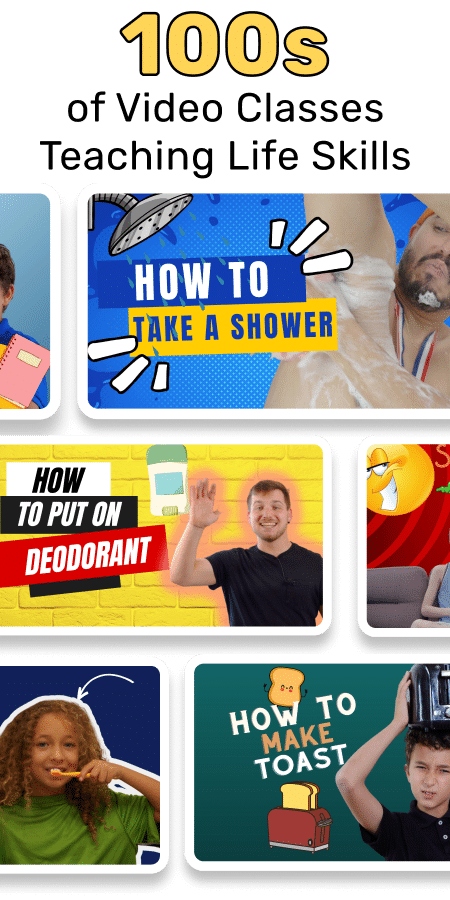
Looking for fun ways to help your child learn life skills? Try Goally! The Goally tablet comes with award-winning learning apps and video classes to help kids develop the skills they need to become independent with FUN & evidence-based practices.

Our apps teach executive function, language, emotional regulation, finger dexterity skills, and more.
As your child develops new skills, you can increase the difficulty level of the tasks in the app to challenge and motivate them even further. This helps your child grow and progress at their own pace, while also keeping them engaged and excited about their development.
Embracing the Power of Autistic Hyperfixation
In short, autistic hyperfixation can be a double-edged sword, offering both benefits and challenges for neurodivergent kids. By understanding and supporting your child’s intense interests, you can help them harness the power of their hyperfixation while maintaining a healthy balance in their lives. Remember, every child is unique, and their journey with hyperfixation will be too. So, embrace their passions, celebrate their expertise, and watch them flourish. Learn more about autism and mono tropism in kids!
FAQs About Autistic Hyperfixation in Children
Can hyperfixation be a helpful trait in autism?
Yes, hyperfixation can be beneficial for people with autism as it can boost learning and memory in areas of interest, encourage creativity, and serve as a comforting mechanism during stressful situations.
What tools can help manage autistic hyperfixation?
Visual schedules and reward systems can help manage autistic hyperfixation, providing a structured routine and reinforcing behaviors that balance fixation with other necessary tasks.
How does emotional regulation tie into autistic hyperfixation?
Emotional regulation can impact autistic hyperfixation as difficulty controlling emotions may exacerbate fixations. Tools like emotional regulation apps can help manage these emotions and potentially ease hyperfixation.

Can hyperfixation be a helpful trait in autism?
Yes, hyperfixation can be beneficial for people with autism as it can boost learning and memory in areas of interest, encourage creativity, and serve as a comforting mechanism during stressful situations.
Can hyperfixation be a helpful trait in autism?
Yes, hyperfixation can be beneficial for people with autism as it can boost learning and memory in areas of interest, encourage creativity, and serve as a comforting mechanism during stressful situations.
This post was originally published on 06/06/2023. It was updated on 07/16/2023.

Goally
We help parents teach their kids life skills, like doing bedtime and morning independently. Backed by science, we incorporate evidence-based practices and expert-informed designs in all of our apps and content.