As a parent of a neurodivergent child, you may have come across the term “IFSP special education” and wondered what it’s all about. Well, you’re in the right place! In this blog post, we’ll break down the Individualized Family Service Plan (IFSP) in special education, how it benefits your child, and the process of creating one. We’ll also share some tips for making the most of this valuable resource. So, let’s dive into the world of IFSP special education and see how it can support your child’s unique needs.
Table of Contents
Understanding IFSP Special Education
Before we go any further, let’s define what an IFSP is. An Individualized Family Service Plan (IFSP) is a document that shows the early intervention services and supports for young children with developmental delays or disabilities, as well as their families. In short, it’s a roadmap for providing tailored assistance to kids aged birth to three years old who need extra help to reach their full potential.
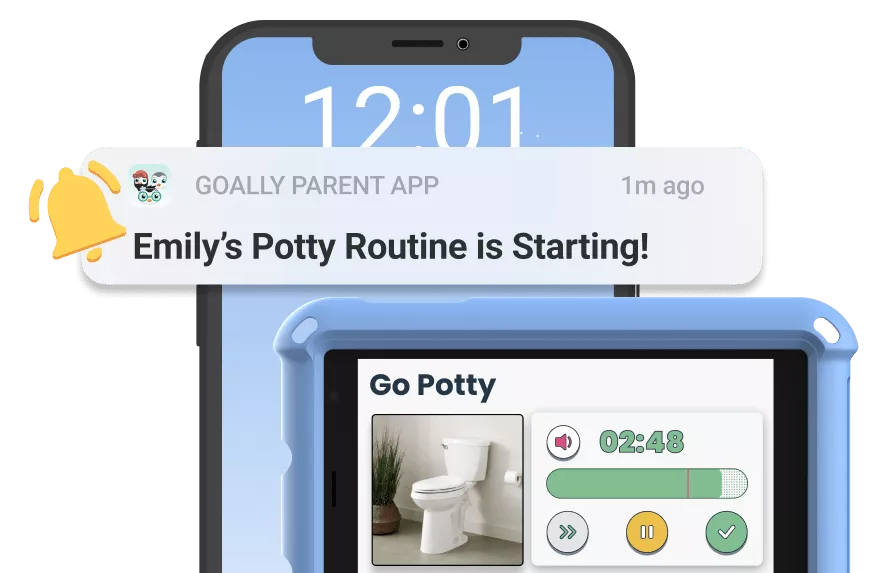
But why is an IFSP important for your neurodivergent child? It ensures that your child receives personalized support, taking into account their specific needs and your family’s goals. Moreover, it brings together a team of professionals who collaborate with you and your child to provide the best possible support. With Goally’s learning tablet and apps, you can further enhance your child’s IFSP experience by incorporating technology that’s designed specifically for neurodivergent kids.
Key Components of an IFSP
An effective IFSP includes several essential components.
Let’s look closer at each of them:
- Child’s present levels of development: A comprehensive assessment of your child’s current abilities and challenges in various areas, such as cognitive, physical, communication, social, and emotional development.
- Family’s resources, priorities, and concerns: A thorough understanding of your family’s strengths, needs, and goals will help shape the services and supports provided.
- Measurable outcomes: Specific, achievable goals for your child’s development based on their unique needs and your family’s priorities.
- Early intervention services: A detailed list of the services and supports your child will receive, such as speech therapy, occupational therapy, or physical therapy.
- Service coordinator: A designated professional who will oversee the implementation of your child’s IFSP and ensure that all services coordinate and deliver effectively.
- Transition plan: A plan for helping your child and family transition to other services or educational settings when they turn three years old or no longer require early intervention.
By incorporating these components, an IFSP creates a solid foundation for your child’s growth and development. And with Goally’s learning tablet and apps, you can further support your child’s progress by providing them with engaging, age-appropriate content that complements their IFSP goals.

Read more: 7 IEP Meeting Tips for Parents
Benefits of IFSP Special Education
Now that we’ve covered the basics of IFSP special education let’s explore some of its key benefits:
- Personalized support: An IFSP ensures that your child receives services tailored to their specific needs rather than a one-size-fits-all approach.
- Family-centered: The IFSP process involves your entire family, recognizing that you play a crucial role in your child’s development and success.
- Collaborative: The IFSP brings together a team of professionals who work closely with you and your child to provide the best possible support.
- Consistent progress monitoring: Regular reviews of your child’s IFSP ensure that their goals are being met and that any necessary changes are promptly changed.
- Smooth transitions: A well-crafted IFSP includes a transition plan, helping your child and family navigate the shift to other services or educational settings with ease.

Read more: What Disabilities Qualify For a 504 Plan?
With these benefits in mind, it’s clear that an IFSP is a powerful tool for supporting the growth and development of young neurodivergent kids. And when combined with Goally’s learning tablet and apps, you can create an even more comprehensive support system for your child.
Creating an IFSP: The Process
Now that we’ve covered the basics of IFSP special education let’s explore the process of creating one for your child. Here’s a step-by-step guide:
- Referral: If you suspect your kid may have a developmental delay or disability, you can request an evaluation from your local early intervention program.
- Evaluation: A team of professionals will assess your child’s development to determine if they’re eligible for early intervention services.
- IFSP meeting: If your child is eligible, you’ll participate in a meeting with the early intervention team to develop the IFSP. This is your time to share your concerns, priorities, and goals for your child.
- Implementation: Once the IFSP is complete, the services and supports outlined in the plan will be in action.
- Review: Your child’s IFSP will be looked at least every six months to ensure progress is being made and to make any necessary adjustments.
Throughout this process, remember that you play a vital role in your child’s success. By actively participating in the creation and implementation of your child’s IFSP, you can help ensure they receive the support they need to thrive.
Tips for Maximizing Your Child’s IFSP
To make the most of your child’s IFSP, consider the following tips:
- Be an active participant: Attend all meetings, ask questions, and share your insights to ensure your child’s needs are met.
- Communicate regularly: Maintain open lines of communication with your child’s service coordinator and other professionals involved in their care.
- Monitor progress: Keep track of your child’s development and achievements, and share this information with the early intervention team.
- Advocate for your child: If you feel your child’s needs aren’t being met, speak up and work with the team to find solutions.
- Seek support: Connect with other parents of neurodivergent kids to share experiences, advice, and encouragement.
By following these tips and incorporating Goally’s learning tablet and apps into your child’s daily routine, you can help create a supportive environment that fosters their growth and development.
Goally | Apps To Support Child Development
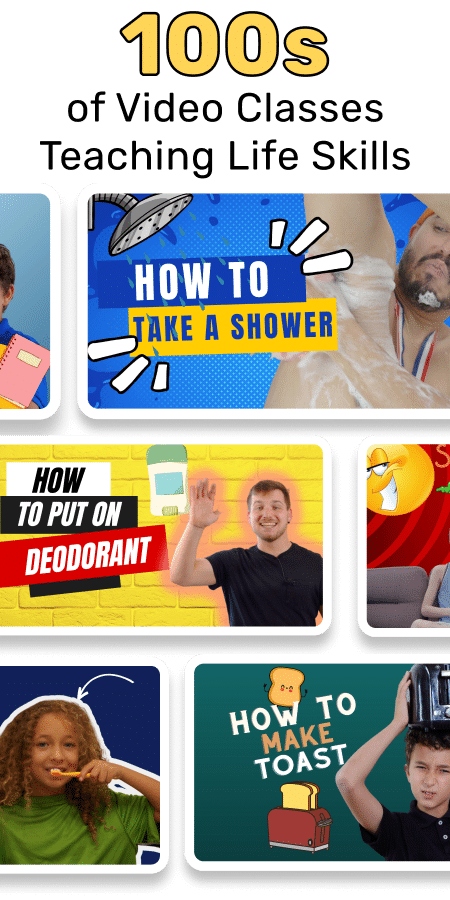
Looking for fun ways to help your child learn life skills? Try Goally! The Goally tablet comes with award-winning learning apps and video classes to help kids develop the skills they need to become independent with FUN & evidence-based practices.
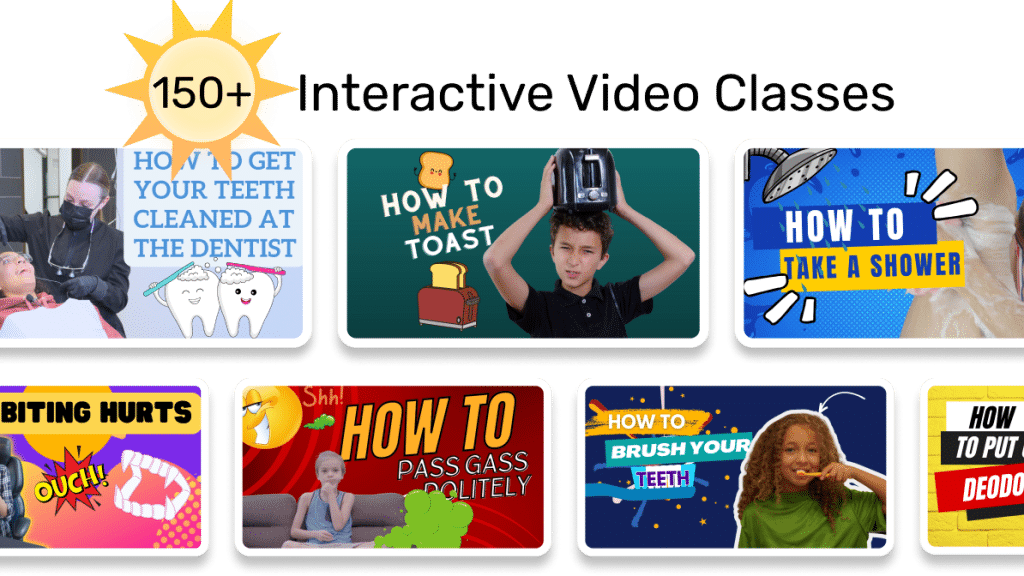
Our apps teach executive function, language, emotional regulation, finger dexterity skills, and more.
As your child develops new skills, you can increase the difficulty level of the tasks in the app to challenge and motivate them even further. This helps your child grow and progress at their own pace, while also keeping them engaged and excited about their development.
In short, an IFSP is a powerful tool for supporting the growth and development of young neurodivergent kids. By understanding the IFSP process and actively participating in your child’s early intervention journey, you can help pave the way for their future success. So, embrace the power of IFSP special education and watch your child flourish. And remember, with Goally’s learning tablet and apps, you can further enhance your child’s IFSP experience by incorporating technology that’s specifically for neurodivergent kids. Together, we can make a difference in the lives of our children and help them reach their full potential.
This post was originally published 05/16/2023. It was updated on 09/05/2023.

Goally
We help parents teach their kids life skills, like doing bedtime and morning independently. Backed by science, we incorporate evidence-based practices and expert-informed designs in all of our apps and content.