As a parent of a neurodivergent kid, you might be curious, “ Are you born with autism?” Don’t worry! We’ve delved into the latest research and expert opinions to help you understand the answer to this question. Let’s venture into the world of autism and examine how genetics, brain development, and the environment contribute to it.
Table of Contents
Autism: A Diverse Range of Differences
Before addressing the question “ Are you born with autism?“, it’s essential to recognize that autism varies from person to person. Autism Spectrum Disorder (ASD) encompasses numerous thinking and learning differences, making it difficult to identify a single cause. However, experts concur that genes, brain development, and environmental factors play significant roles in understanding autism.
Goally | Visual Scheduler for Autism
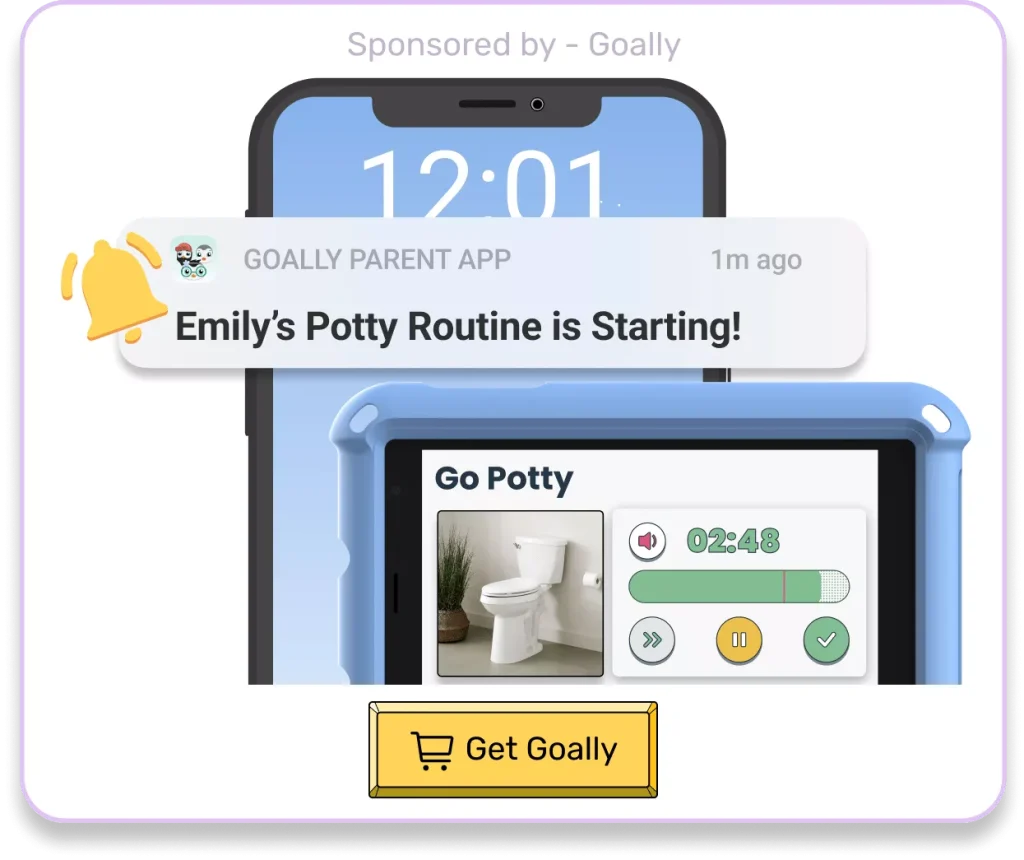
Does your child struggle with getting ready in the morning independently? Goally’s routine app on the best tablet for kids breaks down large tasks into small, achievable steps for autistic kids. Create custom routines with your own videos & pictures for every step.
Genes: The Family Ties That Bind
Autism is strongly tied to family genetics. Here’s what you should know:
- Research indicates that genes play a significant role in autism.
- If one kid in a family has autism, it’s more likely that other family members will too.
- Identical twins are more likely to both have autism than non-identical twins.
- Many genes are linked to autism, but no single “autism gene” has been discovered.
Genes play a crucial role in autism. Multiple genes might interact with environmental factors to determine whether a child has autism.

Read more: Does My Kid Have Autism?
Brain Development: Connecting the Dots in Autism
Research also highlights the importance of brain development in autism. Differences in brain development during pregnancy and early childhood can include:
- Changes in how brain cells (neurons) connect with each other
- Differences in brain structure and function
- Alterations in the balance of brain chemicals (neurotransmitters)
Although the exact reasons for these differences are unknown, it’s evident that brain development plays a crucial role in autism.
Environmental Factors: The World Around Us Matters
While genes and brain development are significant factors in autism, the environment also plays a part. Environmental factors don’t cause autism alone but can interact with genes to increase the risk. Some environmental factors linked to autism include:
- Parents being older when having a child
- A baby being born prematurely or with a low weight
- A mother experiencing an infection during pregnancy
- Using specific medications during pregnancy
Remember, these factors don’t guarantee that a child will have autism. Many kids exposed to these factors do not have autism.

Read more: How Do Kids Get Autism?
Answering the Big Question: Are You Born With Autism?
So, in response to the question, “are you born with autism?“, it’s a complex issue. Genetics and brain development play crucial roles, but environmental factors also could add to the development of autism. Since autism covers a broad range of differences, no single cause can explain every case of autism.
Supporting Our Neurodivergent Kids: Embrace and Empower
Understanding the causes is essential, but what matters most is helping and supporting neurodivergent kids. Recognizing and accepting their unique differences can improve the world for kids with thinking and learning differences. This means providing the right resources, therapies, and learning tools, like Goally’s learning tablet and apps designed just for them.
Goally | Apps To Support Child Development
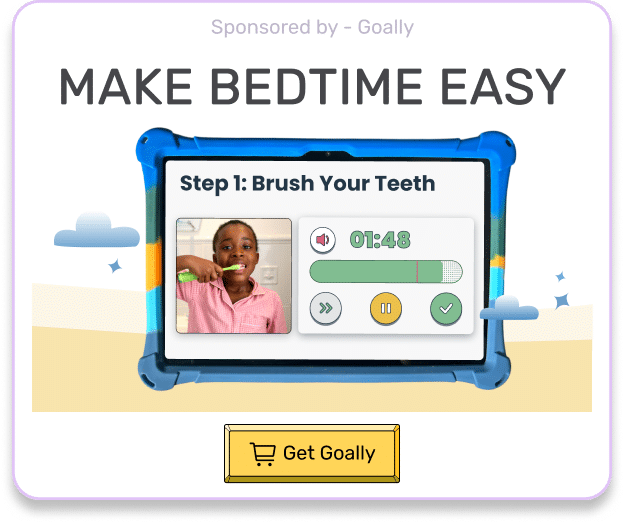
Looking for fun ways to help your child learn life skills? Try Goally! The Goally tablet comes with award-winning learning apps and video classes to help kids develop the skills they need to become independent with FUN & evidence-based practices.

Our apps teach executive function, language, emotional regulation, finger dexterity skills, and more.
As your child develops new skills, you can increase the difficulty level of the tasks in the app to challenge and motivate them even further. This helps your child grow and progress at their own pace, while also keeping them engaged and excited about their development.
Final Thoughts: Unraveling the Enigma
While we don’t know everything about autism, we’ve gained significant insights into how genes, brain development, and the environment contribute to it. As we continue to learn, we can better support and advocate for neurodivergent kids and their families. So, let’s keep learning and celebrating the unique qualities that make us all diverse and extraordinary.
This post was originally published on 04/18/2023. It was updated on 09/20/2023.

Goally
We help parents teach their kids life skills, like doing bedtime and morning independently. Backed by science, we incorporate evidence-based practices and expert-informed designs in all of our apps and content.