Watching your child experience a panic attack is something I wouldn’t wish on anyone. You’re likely asking, “Why is my child having panic attacks?” I get it, and I’m here to help. In this blog post, I’m going to explore some possible reasons behind your child’s panic attacks. We’ll dig into child psychology, pinpoint common stressors, and discuss coping strategies. I’ll provide practical, actionable information that can truly make a difference. So, let’s take this journey together.
Table of Contents
Step 1: Identify Triggers
First and foremost, it’s essential to pinpoint the specific triggers that may be causing your child’s panic attacks. These can vary from sensory overload to social anxiety or even a fear of failure. Observe your child closely and take note of any patterns or situations that seem to provoke their anxiety. In doing so, you’ll be better equipped to help them navigate these challenges.
To help you identify triggers, consider the following:
- Environmental factors (e.g., loud noises, bright lights)
- Social situations (e.g., meeting new people, public speaking)
- Academic pressures (e.g., tests, deadlines)
- Personal fears (e.g., separation anxiety, fear of the dark)

Read More: Calming Techniques
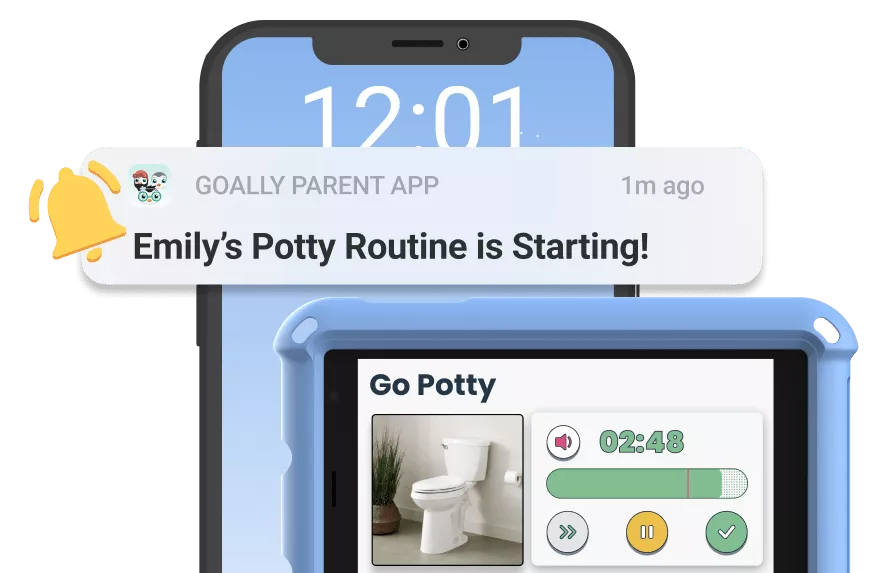
By understanding these triggers, you can work with your child and their Goally device to create a personalized plan to manage their anxiety.
Step 2: Teach Calming Techniques
Once you’ve identified the triggers, it’s time to teach your child some calming techniques. For example, deep breathing exercises, progressive muscle relaxation, or grounding techniques can be effective in managing anxiety. Encourage your child to practice these methods regularly so they become second nature when panic strikes.
Here are some calming techniques to try:
- Deep breathing: Inhale for four counts, hold for four counts, and exhale for four counts.
- Progressive muscle relaxation: Tense and relax each muscle group, starting from the toes and working up to the head.
- Grounding techniques: Name five things you can see, four things you can touch, three things you can hear, two things you can smell, and one thing you can taste.
Using Goally, you can set reminders for your child to practice these techniques daily, helping them build resilience against panic attacks.
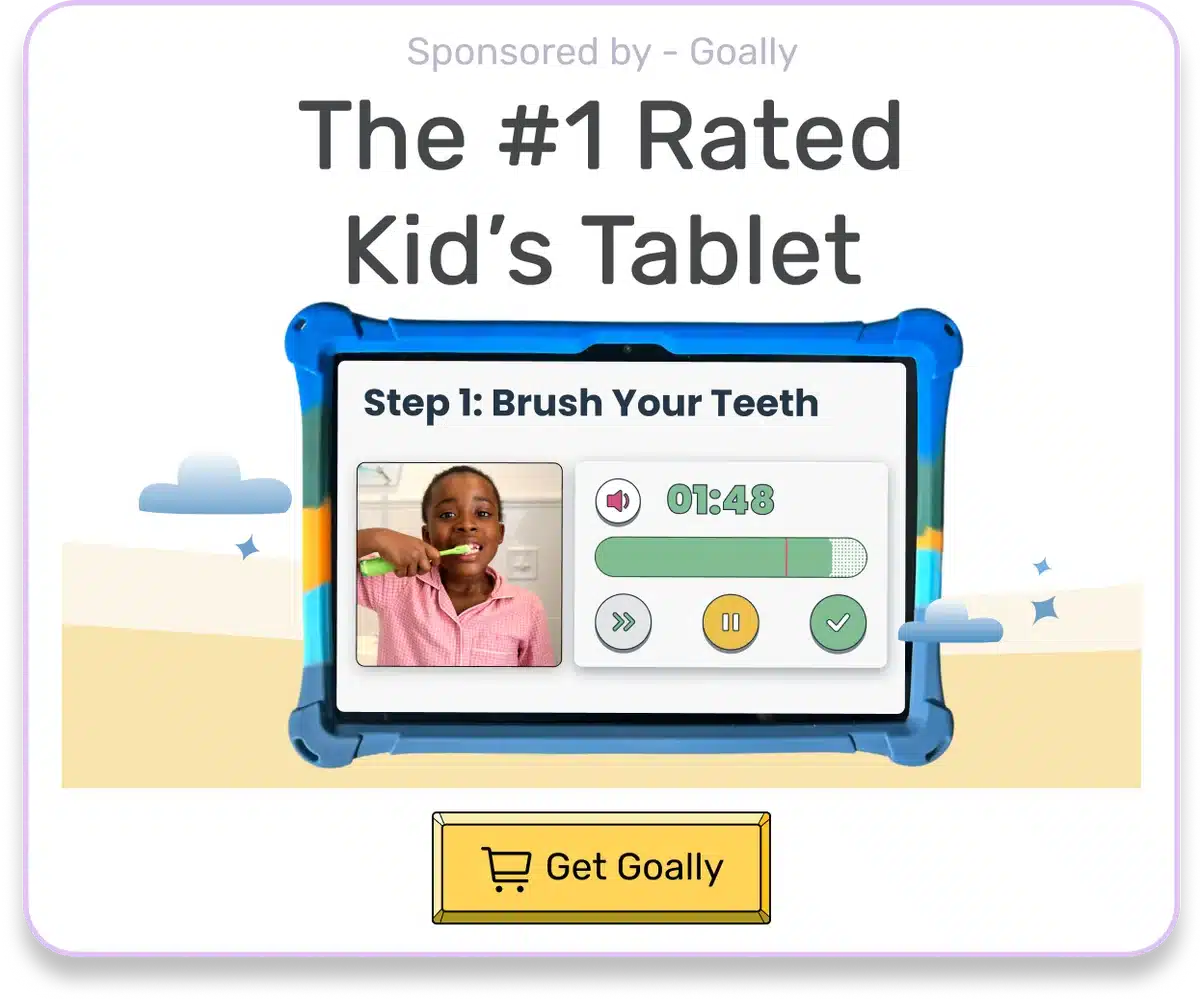
Goally | The Tablet for Neurodiverse Kids
Step 3: Create a Safe Space
In addition to teaching calming techniques, it’s crucial to create a safe space for your child to retreat to when they feel overwhelmed. This could be a designated room or a quiet corner filled with comforting items like soft blankets, soothing music, or sensory toys. Having a safe space can help your child feel more in control during a panic attack.
To create a safe space, consider the following:
- Choose a quiet, low-traffic area of your home.
- Fill the space with comforting items, such as pillows, blankets, and sensory toys.
- Use calming colors and soft lighting to create a soothing atmosphere.
- Encourage your child to personalize the space, making it their own.

Read more: How to Help Kids With Anxiety
Step 4: Encourage Open Communication
Encourage your child to express their feelings and fears openly. By fostering a supportive environment, you can help them feel understood and validated. Moreover, open communication can provide valuable insights into their thought processes and help you identify any recurring themes or concerns.
To promote open communication:
- Set aside regular “check-in” times to discuss your child’s feelings and concerns.
- Use open-ended questions to encourage deeper conversations.
- Validate their feelings by acknowledging their emotions and offering support.
- Avoid judgment or criticism, focusing instead on understanding and empathy.
Step 5: Seek Professional Help
If your child’s panic attacks persist or worsen, it may be necessary to seek professional help. A therapist or counselor experienced in working with neurodivergent kids can provide tailored strategies and support. They can also help you and your child develop a comprehensive plan to manage anxiety and prevent future panic attacks.
When seeking professional help, consider the following:
- Look for a therapist or counselor with experience working with neurodivergent kids.
- Ask for recommendations from friends, family, or your child’s school.
- Research different therapy approaches, such as cognitive-behavioral therapy (CBT) or play therapy, to find the best fit for your child.
Step 6: Practice Patience and Empathy
Above all, it’s essential to practice patience and empathy when supporting a child experiencing panic attacks. Please remember that your kid is not choosing to feel this way, and they need your understanding and support. Be there for them, listen to their concerns, and reassure them that they are not alone in this journey.
Tired of Emotional Meltdowns?
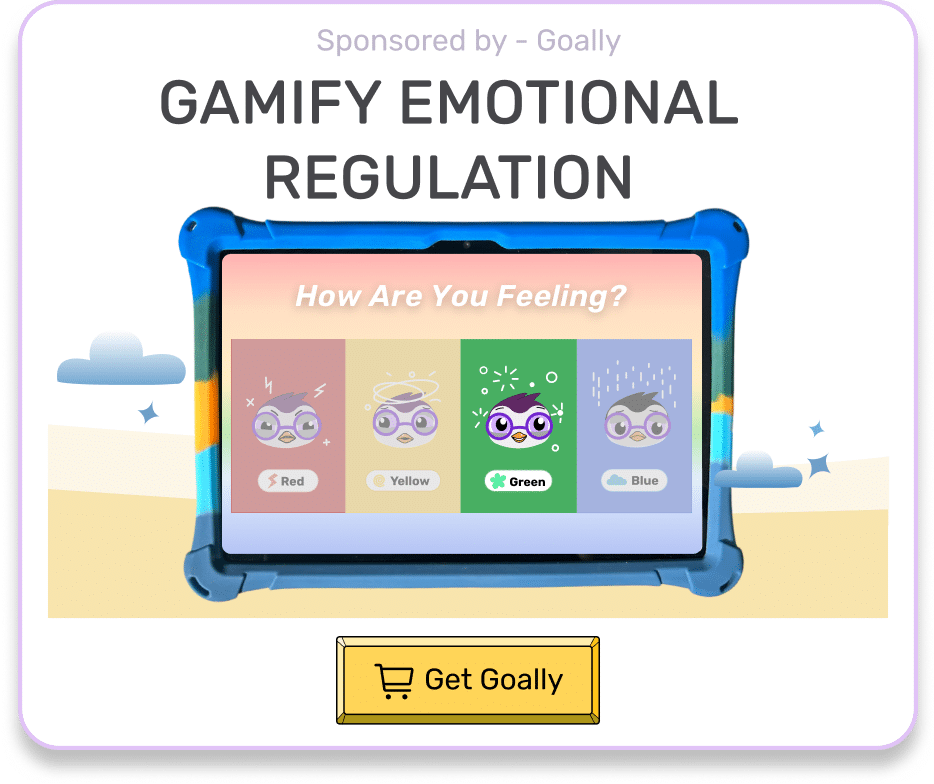
Goally’s Mood Tuner app has activities for kids with BIG emotions. Teach kids how to tune their mood with Goally. See fewer meltdowns.
The Mood Tuner app encourages kids to look inwards and identify their feelings, helping them understand what’s going on inside. Once they’ve recognized their emotions, they can choose from a 20+ activities designed to help them self-regulate and find their balance.
In short, understanding why your child is having panic attacks and learning how to help can make a significant difference in their well-being. By identifying triggers, teaching calming techniques, creating a safe space, encouraging open communication, seeking professional help when needed, and practicing patience and empathy, you can support your child in managing their anxiety and living a happier, more fulfilling life. With the help of Goally, you can further empower your child to overcome their panic attacks and thrive.
FAQ’s About Child Having Panic Attacks
What is a panic attack in a child?
A panic attack in a child is a sudden, intense episode of fear or anxiety that can cause physical symptoms like a racing heart, shortness of breath, or nausea.

What can trigger a panic attack in my child?
Triggers can vary, but common ones include stress, fear, or certain situations like public speaking or tests.

How can I help my child during a panic attack?
Stay calm, reassure your child they're safe, and guide them through slow, deep breaths to help them regain control.

Can learning tools help my child manage panic attacks?
Yes, tools like visual schedules and emotional regulation apps can help your child understand and manage their emotions better.

How can I prevent future panic attacks in my child?
Regular exercise, adequate sleep, and a balanced diet can help. It's also beneficial to teach your child stress management techniques and seek professional help if needed.
This post was originally published on 05/17/2023. It was updated on 02/16/2024.

Goally
We help parents teach their kids life skills, like doing bedtime and morning independently. Backed by science, we incorporate evidence-based practices and expert-informed designs in all of our apps and content.