

When you see a toddler tiptoeing around the house, it’s easy to find it endearing. But what if this cute behavior doesn’t seem to fade away with time? You might start to wonder if it’s a sign of something more significant, like autism. Don’t worry, you wouldn’t be the first parent to have this concern. In this guide, we’ll explore the connection between toddler walking on tiptoes and autism and provide helpful insights to ease your mind and support your little one’s development.
Table of Contents
Understanding Toe Walking in Toddlers
First things first, let’s get a better understanding of toe walking in young children. It’s quite common for toddlers to walk on their tiptoes as they’re learning to balance and coordinate their movements. Most kids naturally transition to a heel-to-toe walking pattern by the age of 3. However, some children continue to walk on their tiptoes beyond this age. This persistent toe walking can be attributed to various factors, such as:

- Muscle tightness in their legs or ankles
- Physical discomfort in their feet
- Imitation of others (siblings, friends, or even cartoon characters)
- Neurological or developmental differences
Now that we know toe walking can be a normal part of toddlerhood, let’s dive deeper into the potential link to autism.
Is Toe Walking a Sign of Autism?
Yes, toe walking can be associated with autism, but it’s important to know that not every child who walks on their tiptoes is autistic. Toe walking can also be linked to other conditions, such as cerebral palsy, muscular dystrophy, or even tight Achilles tendons. In fact, many neurotypical children toe-walk without any underlying issues. So, how do you determine if your child’s toe walking is related to autism?
It’s crucial to look for other signs and symptoms of the disorder in addition to toe walking. These can include:
- Difficulty with social communication and interaction
- Repetitive behaviors or interests
- Delays in speech or language development
- Sensory sensitivities
If you’re concerned about your child’s toe walking and suspect autism, it’s essential to consult with a pediatrician or specialist for a professional evaluation.
Supporting Your Toddler’s Development
No matter the cause of your child’s toe walking, there are steps you can take to support their growth and development. By addressing the underlying issues and fostering a nurturing environment, you can help your little one thrive.
Physical Therapy and Stretching Exercises
If muscle tightness is the culprit behind your child’s toe walking, physical therapy can be a game-changer. A physical therapist can work with your child to improve their flexibility and strength, focusing on the tight muscles that contribute to toe walking. They’ll recommend specific stretching exercises tailored to your child’s needs, promoting a more typical walking pattern over time.

Read more: Autism Comfort Objects
Orthotics and Supportive Footwear
Orthotics or supportive footwear can help correct your child’s walking pattern and promote proper foot alignment. By consulting with a pediatric podiatrist, you can determine the best options for your child’s unique situation. Comfortable and supportive shoes can make a world of difference in encouraging a healthy walking style.
Address Sensory Sensitivities
For children whose toe walking is related to sensory sensitivities, it’s essential to identify and minimize triggers in their environment. For example, if your child dislikes the feeling of certain textures on their feet, provide them with comfortable socks or shoes to wear indoors. By addressing these sensory issues, you can help your child feel more at ease and potentially reduce their toe walking.
Encourage Socialization and Play
Engaging your child in social activities and play can help improve their physical, cognitive, and emotional development—even if their toe walking isn’t related to autism. Look for opportunities for your child to interact with other neurodivergent kids or kids with thinking and learning differences. By learning from their peers and developing their social skills, your child will benefit in countless ways.
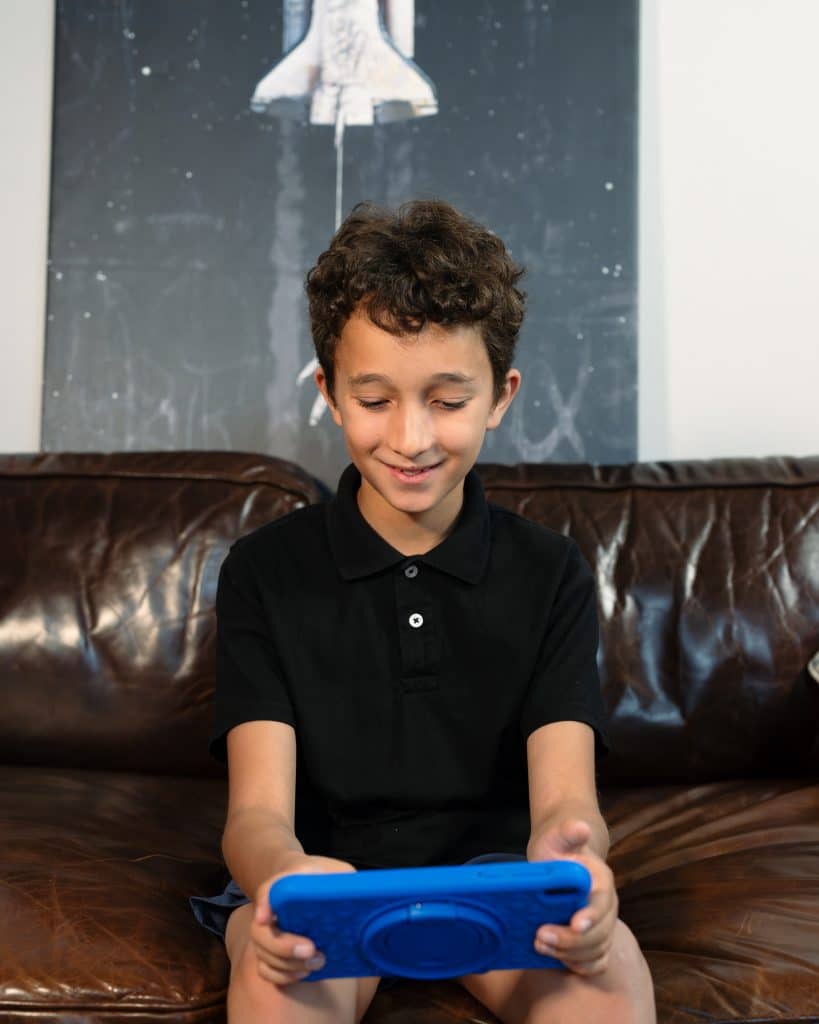
Looking for fun ways to help your child learn life skills? Our suite of apps helps kids develop the skills they need to become independent with FUN & evidence-based practices.
Our apps teach executive function, language, emotional regulation, finger dexterity skills, and more! As your child develops new skills, you can increase the difficulty level of the tasks in the app to challenge and motivate them even further. This helps your child grow and progress at their own pace, while also keeping them engaged and excited about their development.
Keep Calm and Carry On
In the end, it’s vital to remember that although toddler walking on tiptoes autism can be a concern for some parents, it’s not a definitive indicator of the disorder. With professional guidance and support, you can help your child overcome their toe walking and reach their full potential.
So take a deep breath, stay informed, and know that you’re doing your best as a parent. By focusing on your child’s unique needs and strengths, you’ll be well-equipped to help them navigate their journey, whether they’re neurotypical or neurodivergent.
This post was originally published on 05/08/2023. It was updated on 07/11/2023.

Goally
We help parents teach their kids life skills, like doing bedtime and morning independently. Backed by science, we incorporate evidence-based practices and expert-informed designs in all of our apps and content.




