As a parent, you may find yourself wondering, “Does my child have Asperger’s?” Recognizing the signs and providing appropriate support can make a huge difference in your child’s life. In this blog, we’ll discuss what Asperger’s Syndrome is, how to identify the signs, and share strategies for helping your child thrive. We’ll cover understanding social cues, enhancing communication skills, and finding the right educational support to empower your child on their unique journey.
Table of Contents
Asperger’s Syndrome: A Closer Look
Asperger’s Syndrome is a developmental disorder within the autism spectrum. It’s marked by challenges in social interaction, repetitive patterns of behavior, and restricted interests. However, unlike other forms of autism, children with Asperger’s typically have average or above-average intelligence and may not experience significant language delays. What’s the difference between autism and Asperger’s syndrome?
Now that we’ve defined Asperger’s Syndrome, let’s explore how to recognize the signs in your child:

Read More: What is Asperger's Called Now?
With improved communication skills, it’s also essential to provide a structured environment for your child. Let’s see how you can do that:
Recognizing the Signs of Asperger’s Syndrome
While every child is unique, there are common signs that may indicate your child could be on the Asperger’s spectrum. Keep in mind that it’s essential to consult a professional for a proper diagnosis if you suspect your child may have Asperger’s Syndrome. Early intervention can make a significant difference in your child’s life. Here are some of the most frequent signs:
- Difficulty with social interactions and making friends
- Struggling to understand nonverbal communication, such as facial expressions and body language
- Intense focus on specific interests or hobbies
- Repetitive behaviors, such as hand flapping or rocking
- Heightened sensitivity to sensory stimuli, such as sounds, textures, or smells
Helping Your Child with Asperger’s: Strategies for Success
Once you’ve identified that your child has Asperger’s, it’s important to create a supportive environment that allows them to thrive. In this section, we’ll share some strategies to help your child navigate the world more confidently:
Fostering Social Skills
Children with Asperger’s often struggle with social situations, but with practice and support, they can develop these skills. Here are some steps to take to help your child improve their social abilities:
- Role-playing social interactions and practicing conversation starters
- Using visual aids, such as social stories or comic strip conversations, to teach social cues
- Enrolling your child in a social skills group tailored to their needs
- Encouraging participation in clubs or activities that align with their interests
Recommended Kid’s Tablet for Social Skills:
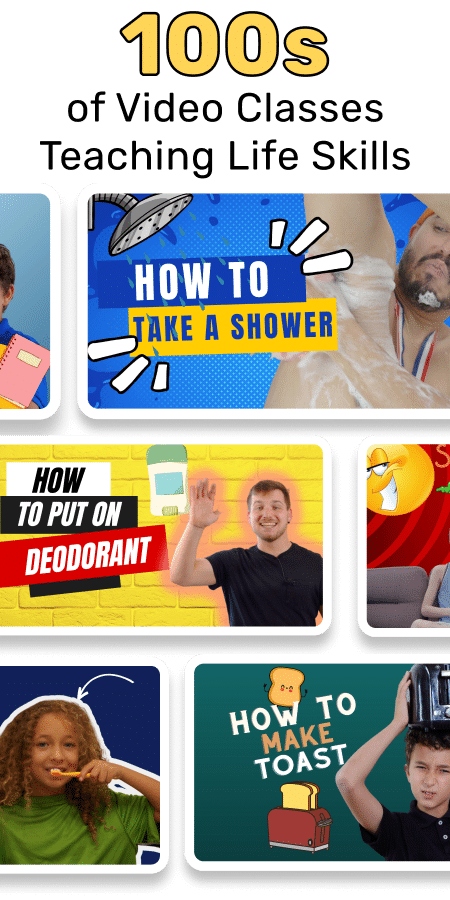
Pro tip— Goally’s Kid’s Tablet has one of the largest libraries of skill-building videos (like “How to Share” and “What to do when you’re lost”) on Goally’s TV App.👇
Now let’s move on to another critical aspect of your child’s development: communication.
Improving Communication
Children with Asperger’s may have trouble expressing their feelings or understanding others’ emotions. To help your child develop their communication skills, consider the following strategies:
- Offering explicit instruction on recognizing and interpreting facial expressions and body language
- Teaching your child to use “I” statements when expressing their feelings
- Practicing active listening skills and encouraging your child to ask clarifying questions during conversations

Read More: What are the Symptoms of Asperger's in Children?
Creating a Structured Environment
Kids with Asperger’s often thrive in structured environments that provide predictability and routine. Here are some tips to create a sense of stability for your child:
- Establishing consistent daily routines and schedules
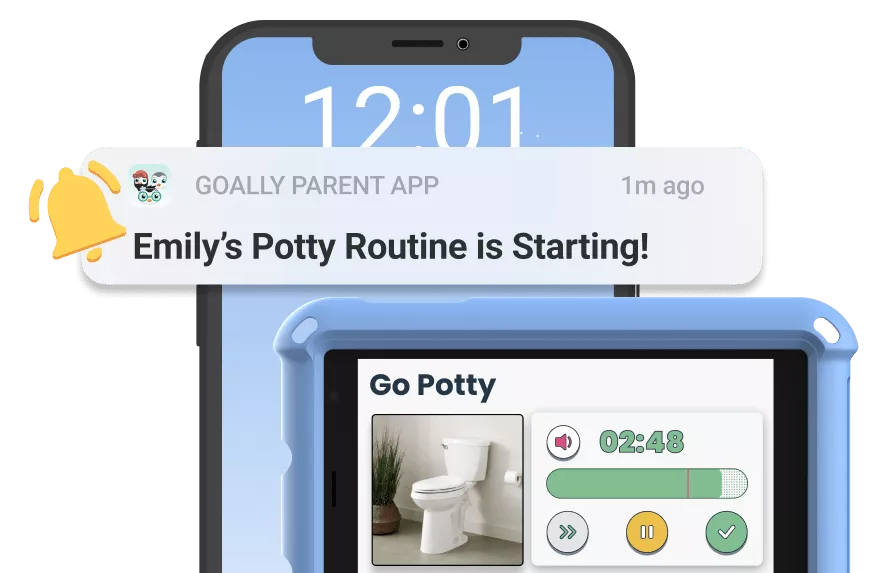
- Using visual aids, such as charts, calendars, or timers, to help your child understand time and transitions
- Creating a designated, organized space for your child to work on homework or engage in their interests
Finding the Right Educational Support for Your Child
Ensuring that your child receives appropriate educational support is essential to their success. In this section, we’ll discuss steps to help you advocate for your child and find the support they need:
- Request an evaluation from your child’s school to determine if they qualify for special education services or accommodations
- Stay informed about your child’s rights under the Individuals with Disabilities Education Act (IDEA) and Section 504 of the Rehabilitation Act
- Communicate regularly with your child’s teachers and school staff to ensure they are aware of your child’s needs
- Consider seeking additional support, such as tutoring or therapy, to complement your child’s school-based services
Now that we’ve covered educational support, let’s talk about embracing your child’s unique strengths.
Goally | Skills Training Videos for Kids
Does your child need some extra guidance on building essential life skills? Goally’s TV app for kids has the most robust video library of skills training videos for kids. Ranging from content like “How to Brush Your Teeth” to “How to Make Friends at School,” we have dozens of interactive video lessons for kids with thinking and learning differences.

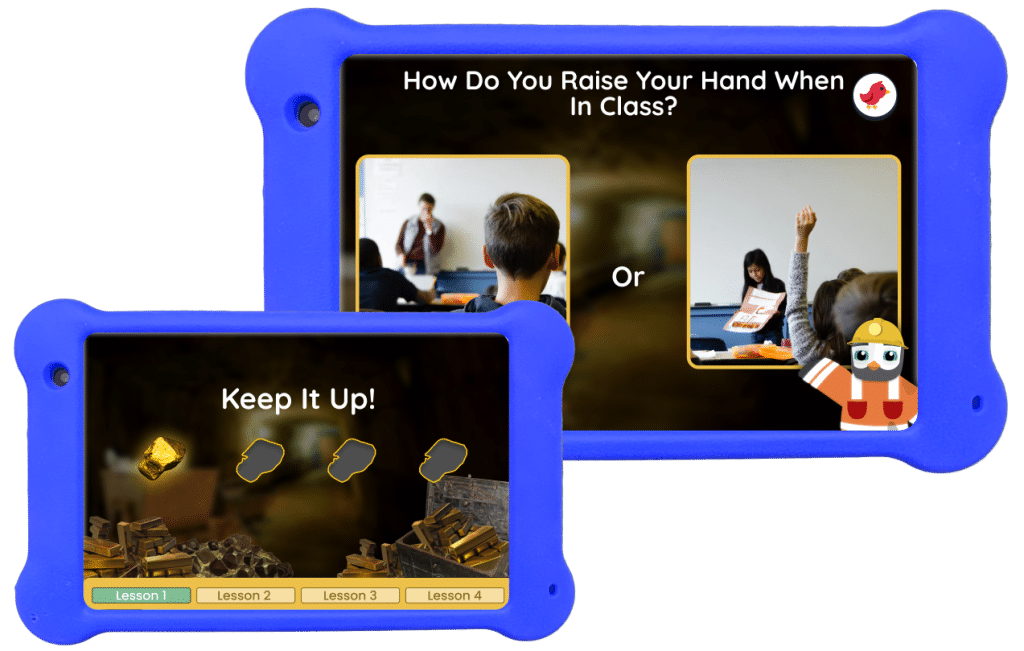
Dive into the Goal Mine channel, where Puffy the Penguin leads your child through behavior skills training videos. They’ll learn social, hygiene, and living skills that are key to their independence. For those moments when they need a break, the Chill Zone channel offers low stimulation video content with Paulie the Penguin at the beach, perfect for relaxation and self-regulation.
Embracing Your Child’s Unique Strengths
While it’s important to address the challenges your child may face due to Asperger’s Syndrome, it’s equally important to recognize and nurture their strengths. Many kids with Asperger’s possess remarkable talents, such as exceptional attention to detail, perseverance, and expertise in their areas of interest. By keeping the focus on these strengths, you are able to help your child build their self-esteem and find success in their own way.
In summary, understanding the signs of Asperger’s Syndrome and offering targeted support can make a world of difference for your neurodivergent child. By fostering their social and communication skills, creating a structured environment, and advocating for the right educational support, you empower your child to thrive and lead a fulfilling life.
FAQs About Does My Child Have Asperger’s?
What is Asperger's Syndrome?
Asperger's Syndrome, often called Asperger's, is a neurodevelopmental disorder characterized by difficulties in social interactions and repetitive behaviors.
How is Asperger's different from other forms of autism?
While Asperger's is on the autism spectrum, it's distinct in that individuals often have average or above-average intelligence and don't exhibit language delays seen in classic autism.
What are common signs of Asperger's in children?
Children with Asperger's often have challenges with social interactions and a deep interest in specific topics and may exhibit repetitive behaviors or routines.
How can visual schedules and emotional regulation apps help a child with Asperger's?
Visual schedules provide predictable routines which can reduce anxiety. At the same time, emotional regulation apps help children recognize and manage their feelings more effectively.
Is early diagnosis and intervention important for Asperger's?
Yes, early diagnosis and tailored interventions can significantly improve the long-term outcomes and quality of life for individuals with Asperger's.
This post was originally published on 05/09/2023. It was updated on 08/11/2023.

Goally
We help parents teach their kids life skills, like doing bedtime and morning independently. Backed by science, we incorporate evidence-based practices and expert-informed designs in all of our apps and content.