Parents, have you ever thought about the link between autism and gut health? It’s time to learn how this connection can help your neurodivergent kids feel better. We’ll explain the science and give you easy tips to make a real difference in your child’s life with the help of tools like Goally to support their growth.
Table of Contents
Why Autism and Gut Health are Connected
Many kids with autism have stomach problems like constipation, diarrhea, and belly pain. Scientists are still trying to understand why, but they know that gut health is important for kids with thinking and learning differences.
One idea is that the balance of good and bad bacteria in the gut might affect autism symptoms. Studies show that children with autism often have different gut bacteria than other kids. Understanding this connection can help parents like you make informed decisions about your child’s health and well-being.

Read More: 7 Kids Nutrition Books
How a Healthy Gut Helps the Brain
Our gut and brain work together, and they talk to each other. The gut bacteria help with this by making chemicals that affect how the brain works and how we feel.
For example, gut bacteria make serotonin, a chemical that helps control our mood, sleep, and hunger. If there’s not enough serotonin, it can cause problems like autism. Keeping the gut healthy helps your child’s brain work better and make them feel better overall. With Goally’s support, you can also track your child’s progress and make adjustments as needed.
Goally | Visual Scheduler for Autism
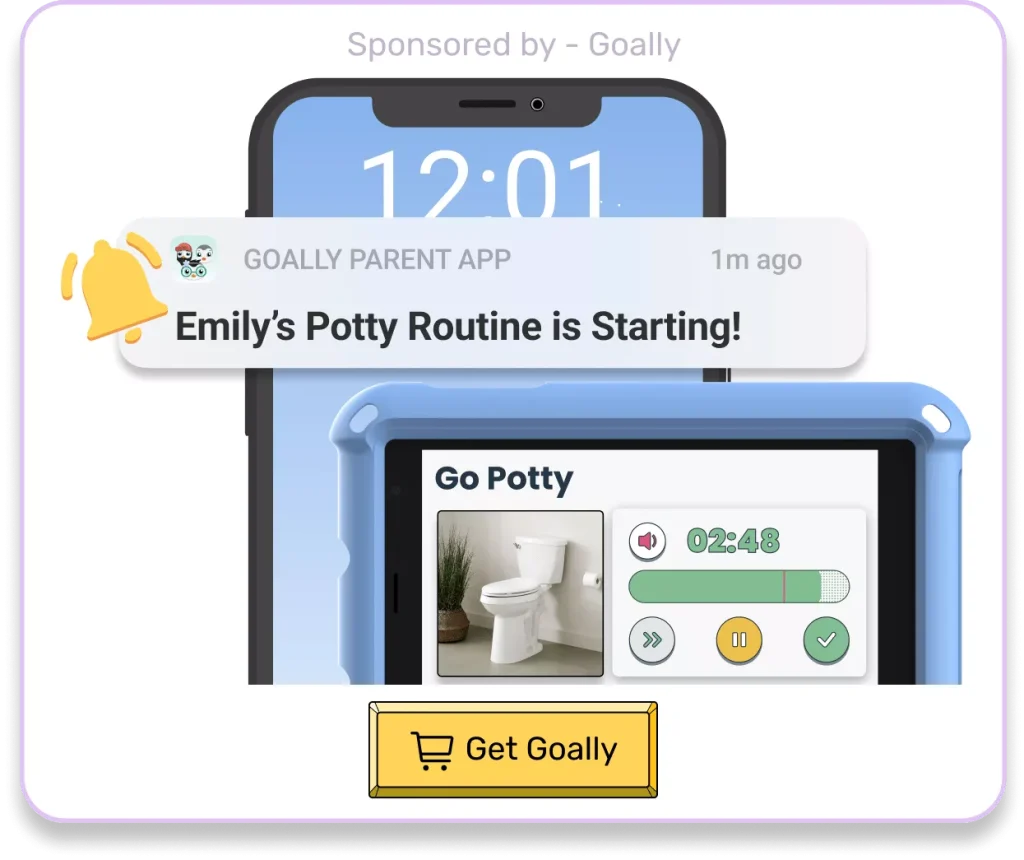
Does your child struggle with getting ready in the morning independently? Goally’s routine app on the best tablet for kids breaks down large tasks into small, achievable steps for autistic kids. Create custom routines with your own videos & pictures for every step.
Tips to Help Your Child’s Gut Health
Now that you know how important gut health is for your neurodivergent child, let’s look at some steps you can take to help their stomach:
- Talk to a doctor: Before changing your child’s diet or habits, ask a healthcare professional who knows about kids with autism.
- Eat a balanced diet: Eating fruits, vegetables, whole grains, and lean proteins can be helpful to keep the gut healthy. Please encourage your child to try different foods to get all the nutrients they need.
Along with these tips, consider adding probiotics and prebiotics to your child’s diet. These can help support a healthy gut microbiome and improve overall health.
| Probiotic Foods | Prebiotic Foods |
|---|---|
| Yogurt | Bananas |
| Kefir | Asparagus |
| Sauerkraut | Whole grains |
Additionally, remember the importance of hydration and exercise. Drinking enough water helps the digestive system work well, and being active can help with digestion and overall health. Find fun activities your child likes, such as swimming, dancing, or playing outside, and do them every day.

Read More: 10 Nutrition Facts for Kids
Dealing with Sensory Issues and Picky Eating
Many kids with autism are sensitive to tastes and textures and might be picky eaters. This can make it hard to eat a balanced diet.
Here are some ways to help your kid try new foods:
- Start with small amounts of new foods.
- Offer different textures and flavors to make eating more interesting.
- Let your child help plan and make meals to get them excited about new foods.
- Think about working with a therapist or feeding expert for more help.
Using tools like Goally can also help you track your child’s eating habits and make adjustments as needed. This can be especially helpful when dealing with sensory issues and picky eating.
Keep Track of Your Child’s Progress
As you try these tips to help your child’s gut health, watch for any changes in their stomach problems, behavior, and how they feel. Remember that every kid is different, and what works for one kid might not work for another. Be patient and keep trying, and ask for help from professionals if you need it.
With Goally’s support, you can also track your child’s progress and make adjustments as needed. This can help you stay on top of their gut health and ensure they’re getting the best possible care.
Read More: What Foods to Avoid with Autism
Goally | Apps To Support Child Development
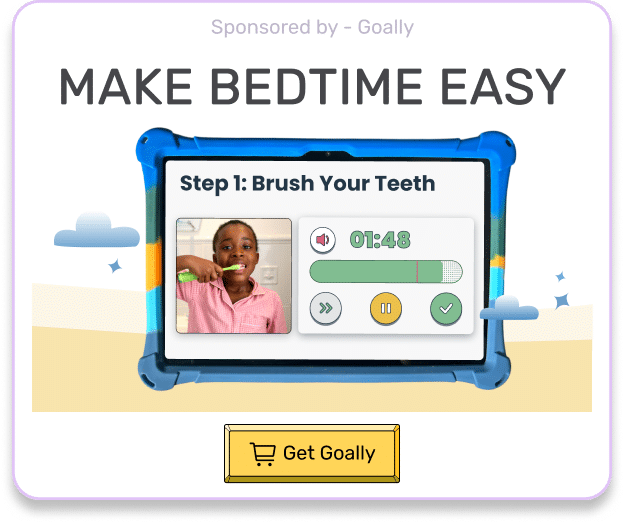
Looking for fun ways to help your child learn life skills? Try Goally! The Goally tablet comes with award-winning learning apps and video classes to help kids develop the skills they need to become independent with FUN & evidence-based practices.

Our apps teach executive function, language, emotional regulation, finger dexterity skills, and more.
As your child develops new skills, you can increase the difficulty level of the tasks in the app to challenge and motivate them even further. This helps your child grow and progress at their own pace, while also keeping them engaged and excited about their development.
Final Thoughts on Autism and Gut Health
Helping your child’s gut health can make a big difference in how they feel and might even help with autism symptoms. By understanding the link between autism and gut health, you can take steps to keep their stomach healthy and help your neurodivergent child do their best. You’re not alone, and there are people and resources, like Goally, to help you and your child.
FAQs About Autism and Gut Health for Kids
How is gut health related to autism?
Emerging research suggests a link between gut health and autism, with imbalances in the gut microbiome potentially affecting brain development and behavior.
Can improving gut health help manage autism symptoms?
While more research is needed, some studies suggest that improving gut health can potentially help manage certain symptoms associated with autism.
What types of diets can help improve gut health in individuals with autism?
Diets rich in fiber, fermented foods, and varied whole foods can contribute to a healthy gut microbiome and may help individuals with autism.
Are probiotics recommended for kids with autism to improve gut health?
Probiotics can improve gut health, but it's important to consult a healthcare provider before starting any new dietary supplements.
What are the signs of gut health issues in a child with autism?
Signs may include recurring gastrointestinal problems like constipation or diarrhea, mood changes, increased anxiety, or behavioral changes.
This post was originally published on 05/02/2023. It was updated on 09/20/2023.

Goally
We help parents teach their kids life skills, like doing bedtime and morning independently. Backed by science, we incorporate evidence-based practices and expert-informed designs in all of our apps and content.