You’re at a birthday party, and while most kids are enjoying the music, games, and laughter, you notice your child is overwhelmed, anxious, or struggling to cope with the sensory stimulation. You might wonder if your child is shy or something is happening. You’ve arrived at the right place! In this blog post, we’ll explore the characteristics of a highly sensitive child and how to recognize them. We’ll also introduce the highly sensitive child quiz that can help you better understand your child’s unique needs and strengths.
Table of Contents
Understanding the Highly Sensitive Child
If you suspect that your child may be highly sensitive, it’s important to recognize and embrace their unique way of experiencing the world. Highly sensitive children have a remarkable ability to perceive and process things on a deeper level. They may feel emotions more intensely, be more sensitive to sensory stimuli, and possess a strong sense of empathy. This heightened sensitivity can be a gift, as highly sensitive children often display remarkable creativity, empathy, and insightfulness. They have a knack for forming profound connections with others and possess a keen intuition. To help them flourish and unlock their full potential, it’s crucial to understand and support their specific needs. By doing so, you’ll enable your highly sensitive child to thrive in their own extraordinary way.

Here are some common traits of highly sensitive children:
- Deeply moved by art, music, or beauty
- Highly empathetic and compassionate towards others
- Easily overwhelmed by sensory stimuli like bright lights, loud noises, or strong smells
- Intuitive and perceptive
- Prone to anxiety or stress
- More likely to experience mood swings and intense emotions

What to Look For
So, how do you determine if your child is highly sensitive? One way is to take a test for a highly sensitive child. Goally has developed a test that helps identify the characteristics of highly sensitive children. This test will be included in this blog post, but first, let’s discuss some signs that your child may be highly sensitive:
| Signs | Description |
|---|---|
| Overwhelmed by sensory stimuli | Experiences discomfort with noise, light, or touch |
| Highly emotional and empathetic | Deeply feels and understands the emotions of others |
| Easily overwhelmed | Struggles in new or chaotic situations |
| Prone to stress, anxiety, or mood swings | Experiences emotional ups and downs more frequently |
| Deep thinker and reflective | Requires time to process thoughts and experiences |
| Perfectionist tendencies | Strives for excellence in everything they do |
The Highly Sensitive Child Quiz
Now that you understand the traits and signs of a highly sensitive child, it’s time to take Goally’s test. This test consists of questions that will help you identify if your child is highly sensitive. The test is designed to be easy to understand and accessible to all parents and caregivers of neurodivergent kids. The goal is to provide you with insight into your child’s unique needs and strengths, empowering you to support them effectively.
Remember, this test is just a starting point. No test can truly capture the complexity and nuance of each individual child. Use the results as a guide to understanding your child, and always consult with professionals when necessary.
Supporting Your Highly Sensitive Child
Once you have taken the test for a highly sensitive child, you may wonder how to support your child in their daily life. Creating a nurturing and supportive environment is essential for helping highly sensitive children thrive. This involves understanding their unique needs, providing a calm space, and teaching coping strategies for overwhelming situations.

Read More: Rejection Sensitive Dysphoria in Autism

Here are some tips for supporting your highly sensitive child:
- Provide a calm and soothing environment, minimizing sensory overload
- Encourage open communication and validate their feelings
- Help them develop coping strategies for stressful situations
- Teach them about self-care and relaxation techniques
- Encourage their creativity and passions
- Be patient and understanding, recognizing that their heightened sensitivity may lead to emotional ups and downs
Goally | Kid’s Tablet for Building Emotional Regulation Skills
Is your child struggling with understanding and managing their emotions? Goally teaches emotional regulation skills in a fun and interactive way!
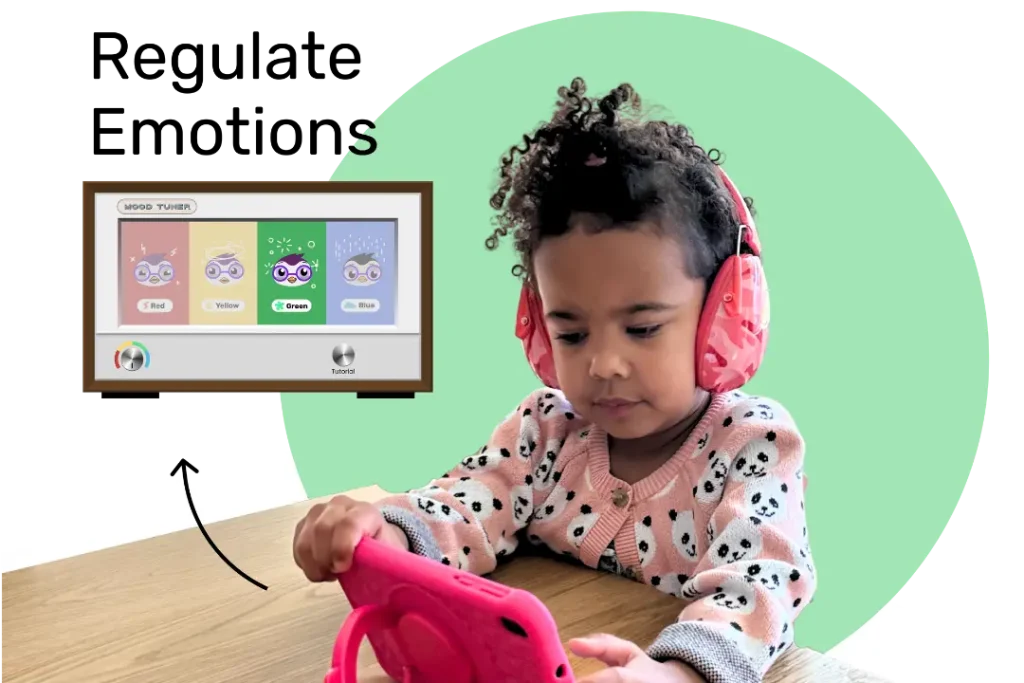
The Mood Tuner app encourages kids to look inwards and identify their feelings, helping them understand what’s going on inside. Once they’ve recognized their emotions, they can choose from a variety of exercises designed to help them self-regulate and find their balance.
Final Thoughts
Recognizing and understanding the unique needs of highly sensitive children is essential for parents and caregivers of neurodivergent kids. By taking the highly sensitive child quiz, you can gain valuable insight into your child’s world and learn how to support them effectively. Embrace your child’s sensitivity and help them harness their strengths, enabling them to flourish and reach their full potential.
This post was originally published on 04/29/2023. It was updated on 06/22/2023.

Goally
We help parents teach their kids life skills, like doing bedtime and morning independently. Backed by science, we incorporate evidence-based practices and expert-informed designs in all of our apps and content.
- Goally
- Goally
- Goally
- Goally
- Goally
- Goally
- Goally
- Goally
- Goally
- Goally
- Goally
- Goally
- Goally
- Goally
- Goally
- Goally
- Goally
- Goally
- Goally
- Goally
- Goally
- Goally
- Goally
- Goally
- Goally
- Goally
- Goally
- Goally
- Goally
- Goally
- Goally
- Goally
- Goally
- Goally
- Goally
- Goally
- Goally
- Goally
- Goally
- Goally
- Goally
- Goally
- Goally
- Goally
- Goally
- Goally
- Goally
- Goally
- Goally
- Goally
- Goally
- Goally
- Goally
- Goally
- Goally
- Goally
- Goally
- Goally
- Goally
- Goally
- Goally
- Goally
- Goally
- Goally
- Goally
- Goally
- Goally
- Goally
- Goally
- Goally
- Goally
- Goally
- Goally
- Goally
- Goally
- Goally
- Goally
- Goally
- Goally
- Goally
- Goally
- Goally
- Goally
- Goally
- Goally
- Goally
- Goally
- Goally
- Goally
- Goally
- Goally
- Goally
- Goally
- Goally
- Goally
- Goally
- Goally
- Goally
- Goally
- Goally
- Goally
- Goally
- Goally
- Goally
- Goally
- Goally
- Goally
- Goally
- Goally
- Goally
- Goally
- Goally
- Goally
- Goally
- Goally
- Goally
- Goally
- Goally
- Goally
- Goally
- Goally
- Goally
- Goally
- Goally
- Goally
- Goally
- Goally
- Goally
- Goally
- Goally
- Goally
- Goally
- Goally
- Goally
- Goally
- Goally
- Goally
- Goally
- Goally
- Goally
- Goally
- Goally