You suspect autism in your child, and now you’re wondering what to do next. We’re here to help you on this exciting journey. This blog post will give you clear steps and resources to support your child’s unique needs and help them grow. From trusting your instincts to celebrating your child’s uniqueness, we’ll cover everything you need to know.
Table of Contents
Trust Your Parent Radar
When you suspect autism in your child, it’s important to trust your feelings. You know your kid better than anyone else; if something seems off, it’s worth looking into. Don’t let others tell you that you’re overreacting. Remember, early help is key for kids with thinking and learning differences.
Signs to Keep an Eye On
Every child is different, but some common signs might point to autism:
- Trouble with social interactions
- Communication challenges
- Repeating behaviors or interests
- Sensitivity to certain sensations
If you see these signs in your child, it’s time to take action.

Read more: What is Early Intervention?
Talk to the Pros
When autism is suspected, it’s crucial to talk with professionals who know about neurodiversity. They can help you understand your child’s needs and guide you on what to do next.
Who to Chat With
Start by talking to:
- Pediatricians
- Psychologists
- Occupational therapists
- Speech-language pathologists
These experts can help determine if your child has autism and give a formal diagnosis if needed. They’ll also provide guidance on the best therapies and interventions for your child’s unique needs.
Read more: What is a Phonological Disorder?

Read more: Teaching Autistic Children
Learn All You Can
Knowledge is power! Understanding autism will help you support your child better. Read books, research online, and go to workshops to learn about autism and the different therapies available.
Resources for Learning
Here are some great resources to get started:
- Books: “The Reason I Jump” by Naoki Higashida, “NeuroTribes” by Steve Silberman
- Websites: Autism Society, National Autistic Society
- Workshops: Local autism support groups, conferences, and online webinars
By learning more about autism, you’ll be better equipped to make informed decisions and advocate for your child’s needs.
Make a Supportive Space
Making a supportive space for your child is key to their growth. This means changing your home, school, and social settings to fit their unique needs.
Tips for a Helpful Space
Here are some tips to create a supportive environment:
- Set routines: Kids with thinking and learning differences do well with predictability.
- Use pictures: Visual schedules and social stories can help with changes and understanding social cues.
- Allow sensory breaks: Give chances for your child to self-regulate through sensory activities.
- Boost communication: Use other communication methods like sign language or communication devices if needed.
By adapting your child’s surroundings, you’ll help them feel more comfortable and able to thrive. Here are some calm down strategies for kids.
Connect with Other Parents
You’re not alone! Talking with other parents of neurodivergent kids can give you support, advice, and friendship. Sharing experiences and learning from others can make a huge difference in your journey.
Where to Find Friends
Here are some places to connect with other parents:

Read more: What is Phonological Awareness?
- Local support groups
- Online forums
- Social media groups
- Parent-teacher associations at schools with special education programs
Building a network of supportive parents will help you navigate the challenges and celebrate the successes together.
Stand Up for Your Child
As a parent of a neurodivergent child, you’ll need to be their biggest supporter. This means standing up for their school, medical, and social rights.
Tips for Standing Up
Here’s how you can advocate for your child:
- Learn about your child’s rights under the law.
- Work with school staff to create an Individualized Education Program (IEP).
- Tell medical professionals and therapists about your child’s needs.
- Encourage including everyone and understanding in social settings.
By being a strong advocate, you’ll ensure your child gets the support they need to succeed.
Celebrate Your Child’s Uniqueness
Lastly, remember that your child is a special individual with their own strengths and challenges. Love their differences and celebrate their achievements, no matter how small they may seem.
Ways to Celebrate
Here are some ideas to celebrate your child’s uniqueness:
- Make a “brag board” to show off their accomplishments.
- Share happy stories with friends and family.
- Support your child’s interests and passions.
- Recognize their progress and growth.
Celebrating your child’s achievements will help build their confidence and self-esteem.
Goally | Apps To Support Child Development
Looking for fun ways to help your child learn life skills? Try Goally! The Goally tablet comes with award-winning learning apps and video classes to help kids develop the skills they need to become independent with FUN & evidence-based practices.
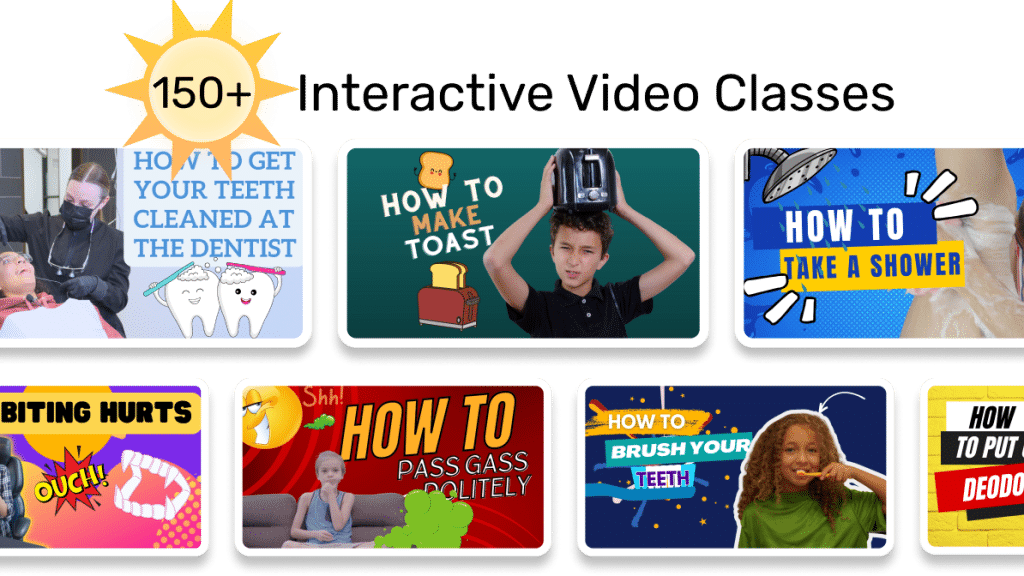
Our apps teach executive function, language, emotional regulation, finger dexterity skills, and more.
As your child develops new skills, you can increase the difficulty level of the tasks in the app to challenge and motivate them even further. This helps your child grow and progress at their own pace, while also keeping them engaged and excited about their development.
Keep Exploring
The “Autism Suspected” journey might seem scary, but remember you’re not alone. With the right help, knowledge, and support, you can help your neurodivergent child shine in a world that’s just starting to understand their amazing gifts.
This post was originally published on 04/17/2023. It was updated on 11/03/2023.

Goally
We help parents teach their kids life skills, like doing bedtime and morning independently. Backed by science, we incorporate evidence-based practices and expert-informed designs in all of our apps and content.